Log-in here if you’re already a subscriber
On Oct. 23, Austrian Airlines flew its last domestic flight from the country’s second-largest city, Graz, to its capital city hub in Vienna. That was just a few years after it ended similar connecting flights from Linz and Salzburg, Austria’s third- and fourth-largest cities, respectively.
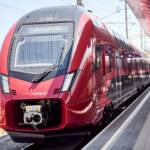
The Lufthansa Group-owned flag carrier did not stop serving the cities; instead, it replaced flights with code-shared train connections operated by Austrian national rail company ÖBB. All three cities are less than one hour by air from Vienna’s airport and less than three hours by frequent trains.
Having replaced more than half of its domestic network with train connections, Austrian Airlines is leading the way towards the intermodal transportation network that the European Union and environmental groups have long hoped to see across the bloc.
Related: Special Report: The United States’ air transport system is going in reverse
Yet even Austrian’s partnerships fall far short of the bloc’s goals, colliding with ticketing, passenger rights, infrastructure and other roadblocks that hamper passenger adoption. Now, European airlines are closely watching a new policy push on the horizon that takes aim at those roadblocks to encourage deeper air-rail partnerships.
These nuances and complexities are largely foreign in a North American context, but are all integral to European industry. In this special report, The Air Current delves into how the continent’s geography, economics and politics are shaping its approach to intermodal transportation.
Subscribe to Continue Reading
Our award-winning aerospace reporting combines the highest standards of journalism with the level of technical detail and rigor expected by a sophisticated industry audience.
- Exclusive reporting and analysis on the strategy and technology of flying
- Full access to our archive of industry intelligence
- We respect your time; everything we publish earns your attention
Source: theaircurrent.com