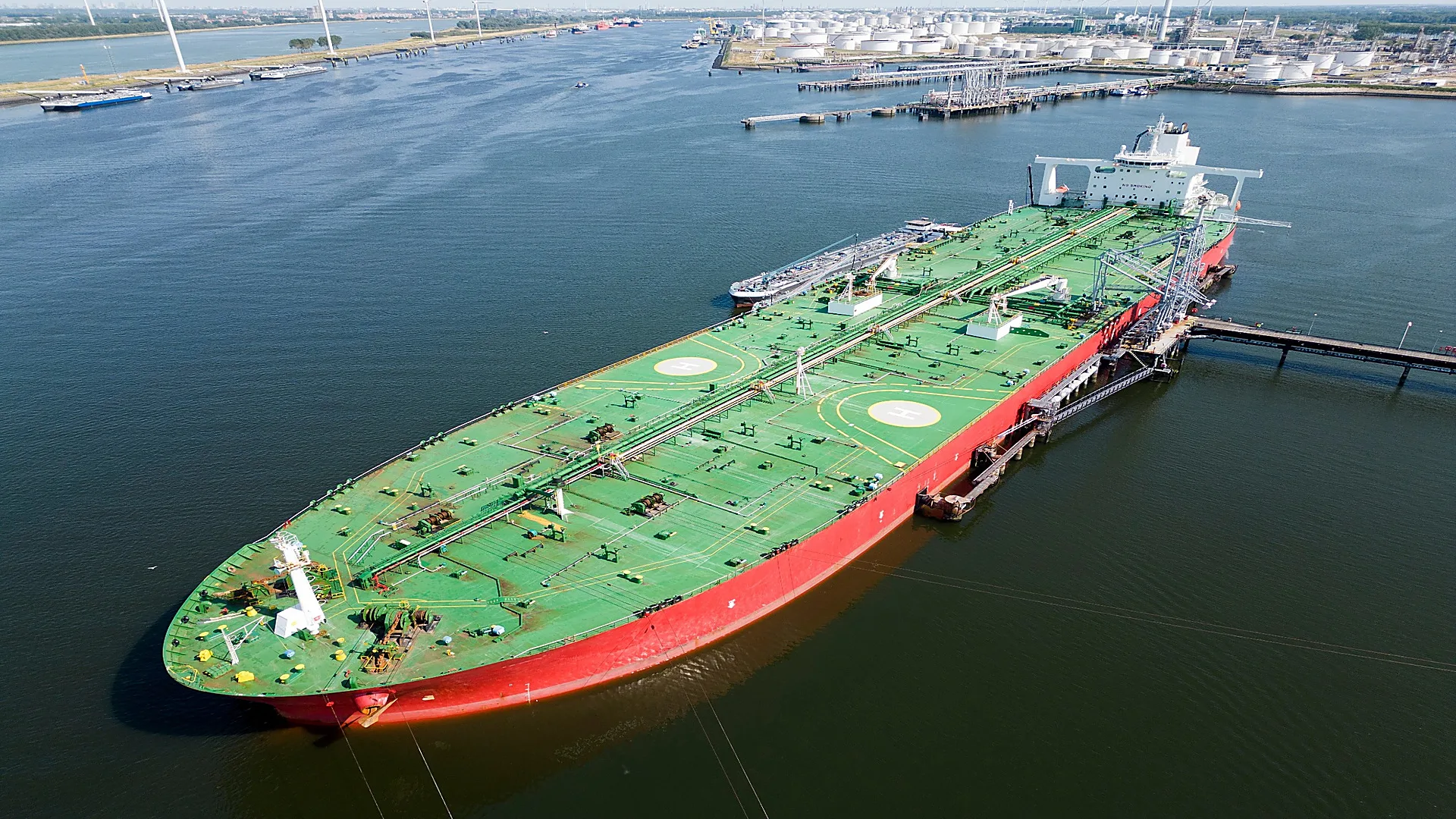

Lower tanker rates are driving new Asian purchases of crude oil from West Africa and Brazil.
Asian refineries are diversifying their crude oil supply sources in response to lower shipping rates, this decrease has restored competitiveness to the sector Brazilian and African oil, after tanker costs reached exceptionally high levels during October.
According to information published by Reuters, companies in China and South Korea have resumed purchasing cargoes from West Africa, taking advantage of more favorable shipping conditions. Meanwhile, transporting oil from the Persian Gulf remains expensive.
Sinopec and SK Energy take advantage of the drop in freight rates
Among the buyers is Unipec, the trading subsidiary of the Chinese oil company Sinopec, which acquired two shipments of Djeno crude from the Republic of Congo. According to traders consulted by Reuters, the deal was closed at a discount of approximately $22 per barrel compared to Dated Brent.
The South Korean SK Energy it has also begun to take advantage of the new market conditions, the company provisionally booked a Suezmax tanker to transport crude oil from Gabon to the port of Ulsan, in South Korea, during December.
Chinese buyers’ interest is also extending to Angolan oil, analysts say Energy Aspects they attribute this movement to the rising price of Russian ESPO crude and the reduction in transport costs from Atlantic ports.
Brazil presents a similar situation, shipments of Tupi crude are being traded at lower premiums than those recorded in October, which improves its position compared to other varieties available in the Asian market.
Tanker rates fall after October highs
The renewed interest in African and Brazilian crude is closely linked to developments in the shipping market. Since reaching their peak in October, VLCC supertanker rates have fallen by around 50%. Suezmax and Aframax vessels have also seen significant reductions.
For Asian refineries, this drop represents considerable savings in the cost of receiving oil from more distant markets. On some routes to China, transporting crude from Africa and Brazil currently costs between $5 and $10 less per barrel than the previous month, according to estimates from industry operators.
Behind this correction is a greater availability of vessels, Wanying Zhang, shipping analyst at Vortexa, explained that the market began to recover capacity after the shortage of vessels that characterized much of October.
The data also show changes in maritime activity, the number of VLCC and Suezmax tankers loaded in East Asia has increased by approximately 15% since the beginning of September, a sign of the recovery in vessel availability after completing their unloading operations.
The Strait of Hormuz continues to make crude oil transport more expensive
Although rates have decreased on several international routes, oil transport from Middle East continues to face difficulties.
Some producers have resorted to vessel-to-vessel crude oil transfers outside the Strait of Hormuz to maintain their exports. In these operations, brig vessels transit the strait with the oil and then transfer it to supertankers in the Gulf of Oman.
This procedure allows cargo to continue moving, but requires the use of more vessels and the coordination of additional operations. As a result, logistics costs can remain high even when rates decrease in other regions.
The pressure on this route was reflected during October, when rates for VLCCs transporting oil from the Persian Gulf to Asia reached approximately $1.4 million per day, before beginning to decline.
Brazilian and African oil gains appeal in Asia
Lower transportation costs are changing the purchasing conditions for Asian refineries, with lower freight rates, acquiring oil from distant markets is once again a competitive alternative to traditional supplies.
Shipments from Congo, Gabon, Angola, and Brazil are now finding better market opportunities, however, the purchasing decision depends not only on the price per barrel. Refineries must also consider the quality of the crude, marketing premiums, and the total cost of transporting it to their facilities.
For now, the greater availability of tankers favors purchases from West Africa and South America, whether this trend continues will depend on how maritime tariffs evolve and whether the price differences between the various types of oil continue to offset the transport distances.
Source: Oil Price.com
Photo: Shutterstock
Source: inspenet.com