
Insurers are taking steps to limit their exposure to the risk of losses tied to a wave of street protests in cities across Europe.
The industry has started imposing caps on coverage, raising deductibles and — in some high-risk locations — eliminating coverage altogether, according to Marcos Alvarez, who oversees global insurance at Morningstar DBRS.
Such risks, which fall into the insurance category of strikes, riots and civil commotion (SRCC), have been on the rise in Europe in recent years. And according to Allianz SE, Europe’s biggest insurer, companies increasingly need to treat SRCC as a risk not just associated with emerging markets, but also with high-income countries.
The development has been on full display across the continent in recent weeks, as student protests that started in France morphed into region-wide demonstrations centered on a wide range of basic affordability issues. Anger over planned data centers is also leading to protests. As civil unrest continues, industry insiders are starting to draw parallels between SRCC risks and the kind of damage that’s normally associated with natural disasters like hurricanes, Alvarez said.
“Because of the severity and the magnitude of losses, SRCC is now behaving like a natural catastrophe,” he said. “These aren’t secondary threats anymore.”
Nicolas Aubert, chief executive officer of Howden France, says the changing face of SRCC is now “actively reshaping” coverage terms.
“Insurers have had to move quickly to speed up claims payments and support affected businesses,” he said. “The strain shows in tighter terms — higher deductibles, lower limits and coverage restrictions” all of which is “leaving some policyholders exposed.”
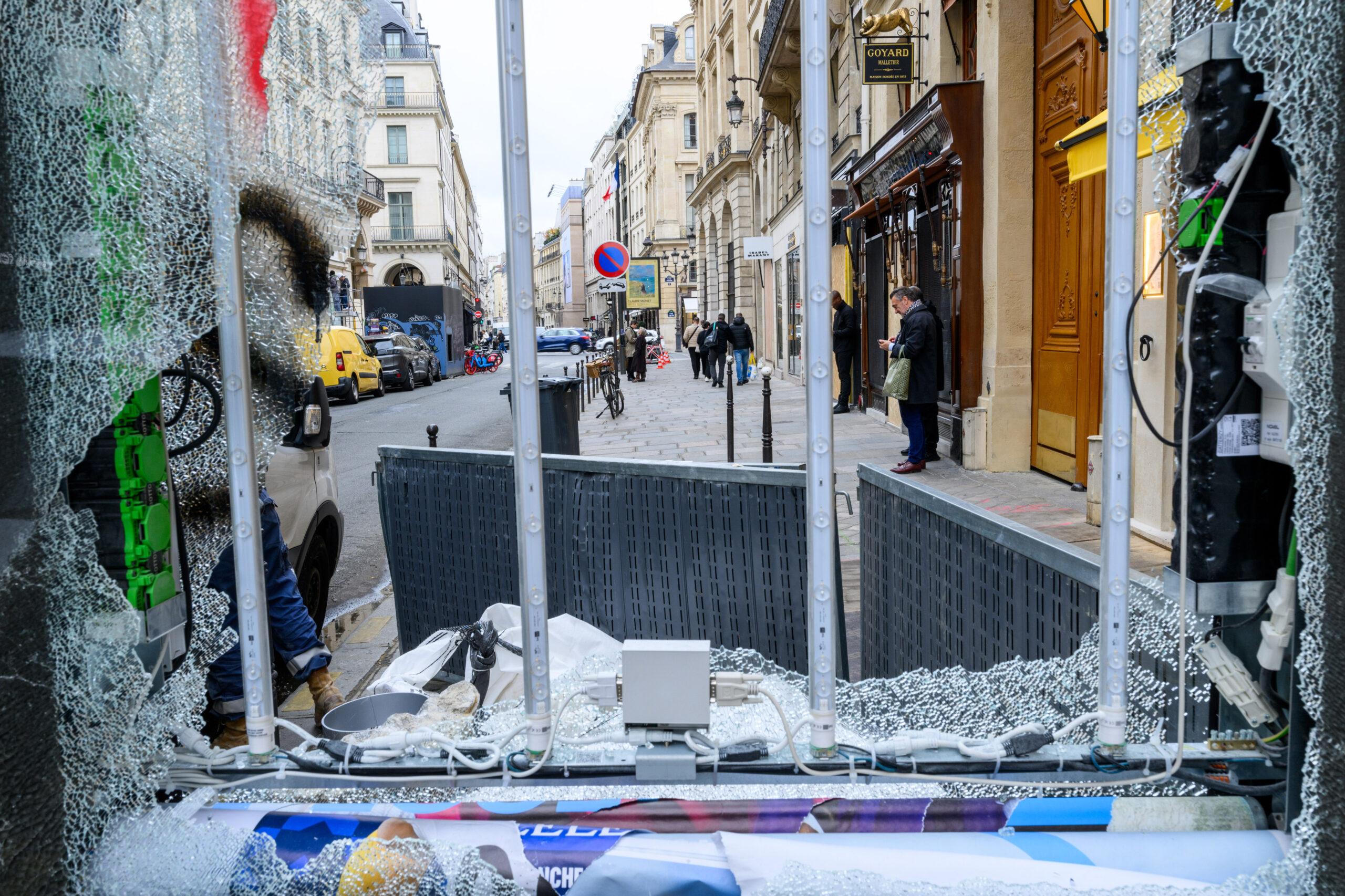
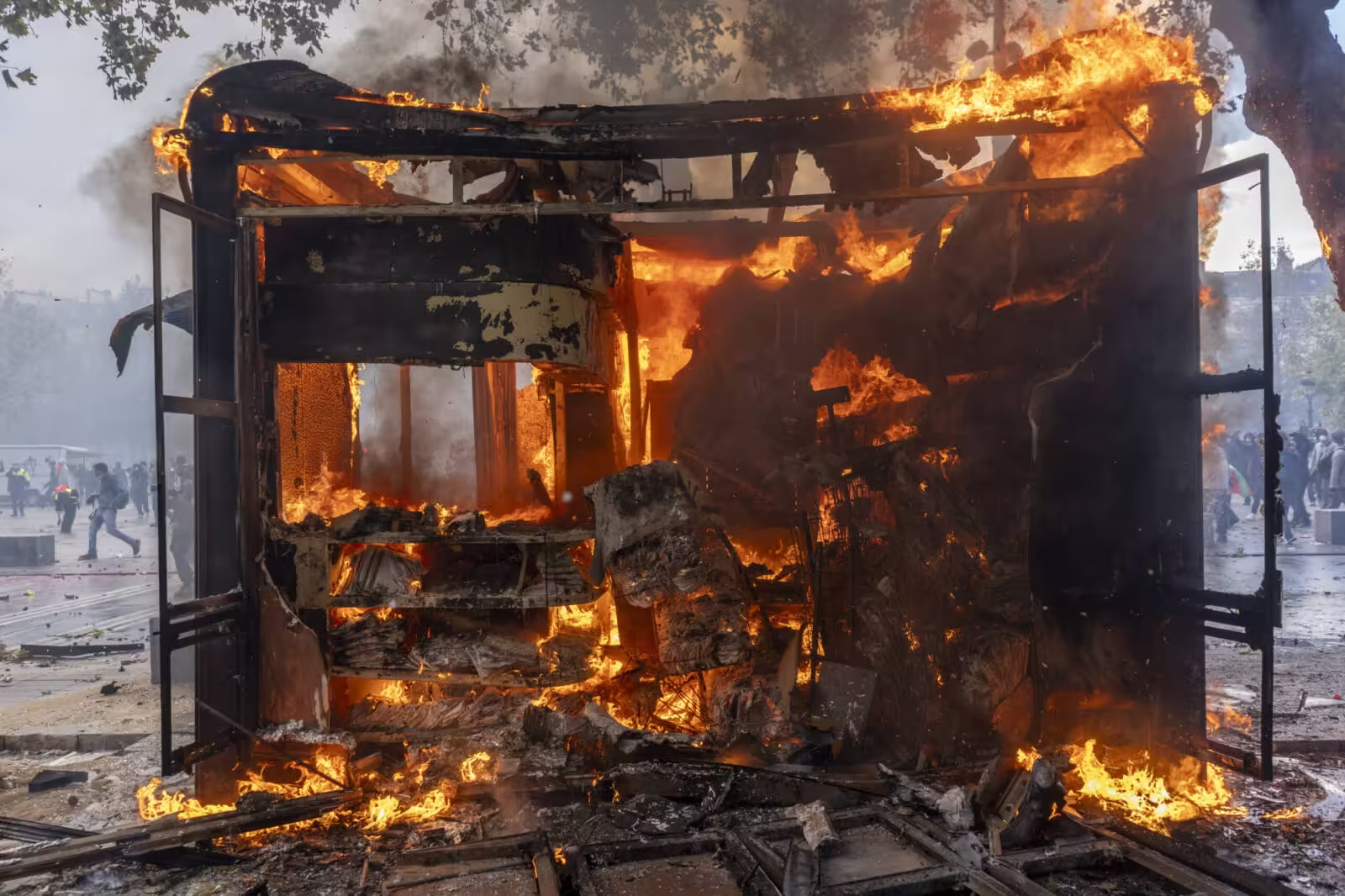
More than half a million people took part in marches across France in mid-October, with violence and looting disrupting demonstrations and damaging public buildings and stores. Since then, police dramatically stepped up their presence and requirements were introduced in an effort to keep marches free of violence. Protests have also gripped cities in Germany, Belgium and Portugal as affordability issues fuel widespread discontent.
Ian Humphries, who heads Allianz’s political violence and terrorism unit in London, says the insurer isn’t applying “any broad reactive restrictions” based on the latest protests. Instead, coverage is done on a “case-by-case underwriting basis” and takes into account factors such as “proximity to areas that may be more susceptible to civil unrest,” he said.
The insurance industry has sought to keep up with the rise in SRCC risks by developing tools to help measure the new landscape. In September, Howden launched an analytics program called UNREST to give insurers and reinsurers access to more recent data on the impact of strikes, riots and civil unrest.
Howden says its model helps insurers identify where exposures are concentrated, how events might unfold and the potential portfolio impacts. SRCC threats are becoming more frequent and localized, and older models don’t adequately capture the real risks insurers now face, the broker said.
While SRCC coverage has historically been offered as a standard part of commercial policies, insurers are now treating such risks separately to reflect the potential for significant losses, according to AM Best, a credit-rating firm specialized in the insurance industry.
“As evidenced by multibillion-dollar losses from the unrest in Minneapolis and New Caledonia in 2020 and 2024, the 2025 Nepal riots, and the recent widespread destruction in France, SRCC events can have a significant impact,” Mathilde Jakobsen, senior director at AM Best said in a recent note.
Protests in France have so far disproportionately affected commercial premises and public buildings, with insured losses expected to be below €1.2 billion to cover, according to Morningstar DBRS. The figure may yet be revised higher if the unrest continues.
“Typical riots were concentrated in one city for a couple of days, but now the violence is being correlated across a country or even across several countries,” Alvarez said. “When you have losses from lots of properties at the same time, that puts a different type of strain on insurers’ capital, earnings and capital ratios.”
Verisk Maplecroft, which models SRCC catastrophe risk, describes the protests in Europe as the “most significant concurrent unrest” seen in the region in years. Verisk’s risk gauge for large-scale unrest in Europe is currently at its highest since 2021.
“Large demonstrations do not inevitably descend into rioting or looting, but the pattern seen in recent weeks – whereby initially peaceful protests have at times been joined or exploited by more confrontational groups – means that further damaging unrest cannot be ruled out,” said Jess Middleton, senior Europe analyst at Verisk Maplecroft.
Such risks aren’t new in France, though the economic loss has been rising in recent years. The Gilets Jaunes protests of 2018-19 resulted in about €220 million in insured losses, according to Morningstar. The riots of June 2023 generated some €730 million in insured losses. It’s not yet clear what the latest protests will end up costing.
The unrest has “prompted further discussions around the need for French government reinsurance solutions to cover future SRCC events,” Humphries of Allianz said.
France this year approved the creation of a state-backed fund to provide mandatory riot coverage in property policies for all businesses and homeowners across the country. The fund is expected to go into effect in January and will be financed by contributions levied on insurers, as well as a 0.8% increase in premiums paid by policyholders, Alvarez says. Insurers will retain 10% of the loss exposure.
“It ensures they still have skin in the game,” he said.
Top photo: A kiosk burns at a demonstration in Paris, on Oct. 17. Photographer: Nathan Laine/Bloomberg.
Copyright 2026 Bloomberg.
Source: www.claimsjournal.com