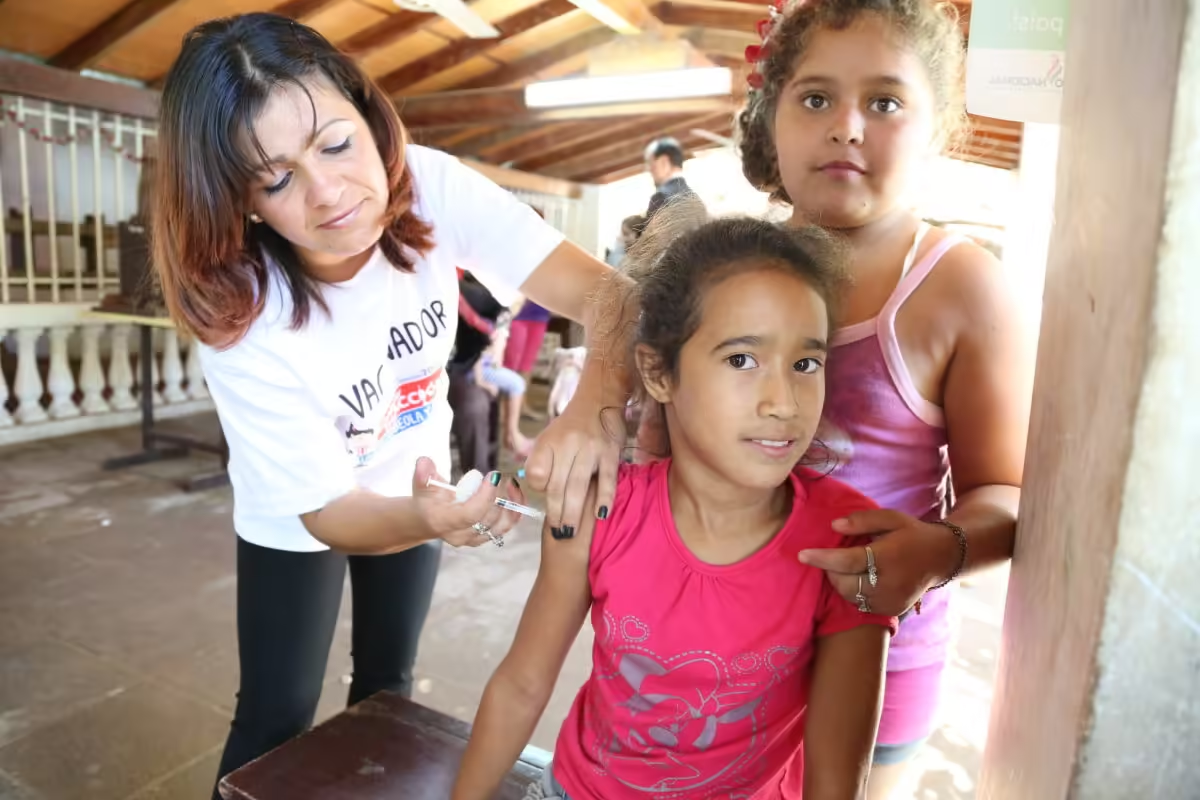

WASHINGTON – Bolivia, Mexico, and the United States have lost their status as countries that have eliminated measles elimination as a public health risk.
The Pan American Health Organization (PAHO) announced in a press conference that the three countries had all seen sustained continued in-country transmission of the highly contagious virus for at least a year, meaning that they could no longer be certified as measles-free by PAHO, the regional arm of the World Health Organization (WHO).
In 2016, the Region of the Americas became the first WHO region in the world to be certified as having eliminated endemic measles transmission. It remained the only region with a measles-free status until 2025, when Canada’s sustained outbreak led to the loss of its elimination status.
Now, three additional countries have lost their elimination status as well.
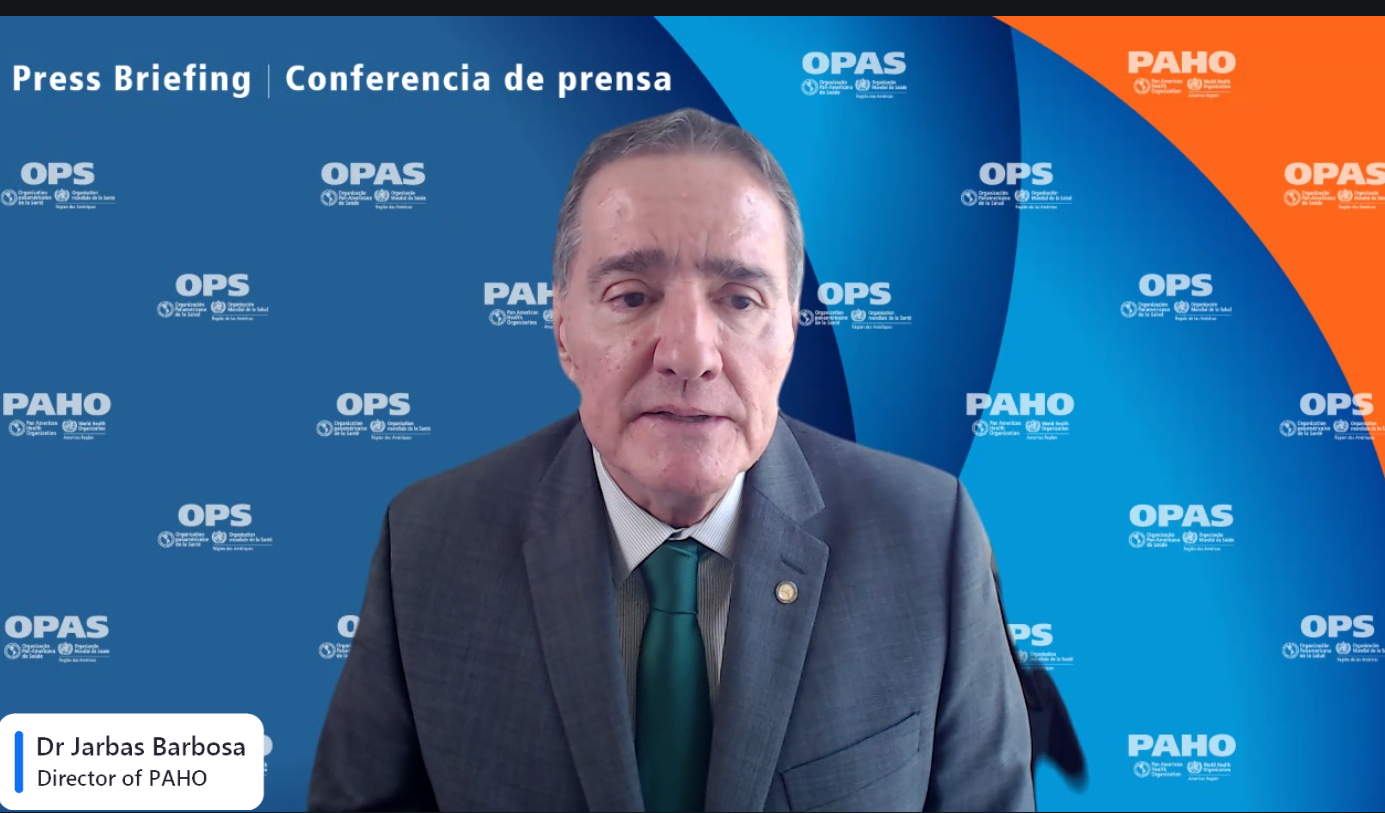
PAHO’s independent Regional Monitoring and Re-Verification Commission for Measles, Rubella and Congenital Rubella Syndrome Elimination (RVC) met 10- 13 November. After reviewing outbreaks in the region from January 2025 – 2026, the RVC recommended elimination status be withdrawn from the three countries. Dr Jarbos Barbosa, PAHO director, said he accepted this recommendation in a briefing to the press Tuesday.
Bolivia, Mexico, and the US will be asked to submit corrective plans to the Organization outlining how they will tackle their respective outbreaks.
Since losing its status last year, Canada has since reached several promising milestones in the road back to elimination, including no endemic transmission in 60 days. In its statement today, PAHO urged all countries to intensify their vaccination efforts.
Highly contagious disease
In just one week in early November in 2026, nearly 59,000 people suffered measles infection in the region. By comparison, the same period in 2025 saw 12,740 cases, illustrating the way in which the disease has made a comeback.
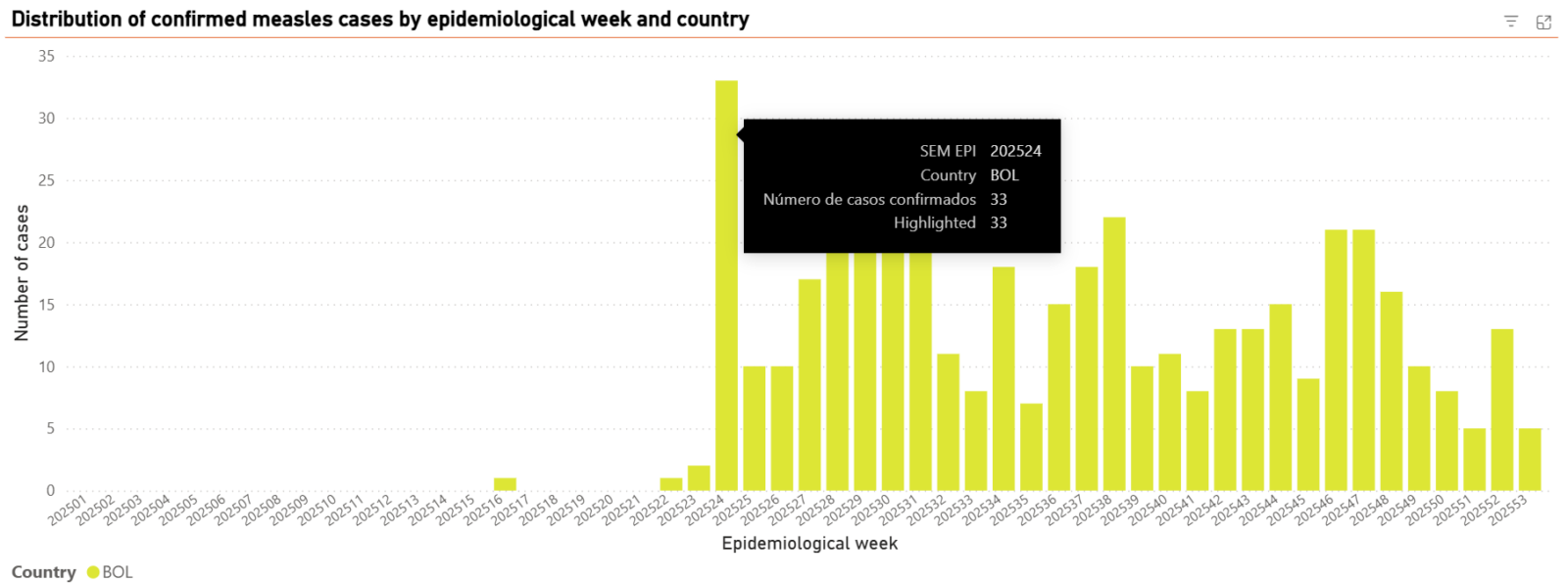
In Mexico, cases reached 6,600 in 2025, and 13,800 confirmed cases January – October 2026, per the World Health Organization’s October update. The US experienced 2,288 cases in 2025 and over 5,000 cases so far in 2026. Bolivia’s measles’ outbreak, which has not sickened people at the same magnitude as in Mexico or the US, has steadily circulated since mid 2025.
Waning vaccination rates and barriers to health care precipitated the explosion of cases of the potentially deadly infection, Barbosa emphasized.
“The main challenge is the growing number of persons who remain unprotected. Immunization gaps have built up over time, leaving many children, adolescents, and adults susceptible to the disease,” he said. “These gaps are often concentrated in specific geographical areas and communities, creating the conditions for the rapid spread of the virus.”
Barbosa also noted that measles is an incredibly contagious disease: one person can infect up to 18 people, and can cause pneumonia, encephalitis, blindness, or even death.
Vaccination key to controlling outbreaks
While the US, Mexico, and Bolivia have seen sustained endemic transmission of the same genotype, or strain, of the virus for at least 12 months between January 2025 and January 2026, many other countries in the region are experiencing outbreaks. Guatemala is experiencing a severe outbreak this year, with over 34,000 cases between January and November 2026, per PAHO.
PAHO noted it was providing direct technical support for the outbreaks in Brazil, Bolivia, Colombia, Guatemala, Honduras, and Peru.
Dr Daniel Salas, PAHO’s executive manager for the Special Program for Comprehensive Immunization, told media he expected countries – including the US – to intensify their vaccination and surveillance capacities.
Salas praised how many US states have focused their efforts on under vaccinated communities through enhanced community outreach, culturally appropriate messaging, contact tracing, and catch-up vaccination campaigns.
Americas could regain its elimination status if it acts resolutely
Barbosa emphasized that the entire region can achieve elimination status once again – but it means that health officials and policymakers need to take continued, resolute action.
“Measles elimination is not a trophy that is won once and placed on a shelf,” said Barbosa.
“It is an achievement that must be safeguarded every day by closing immunity gaps and ensuring that we reach every community. The path to regaining elimination is clear: achieving and maintaining at least 95% coverage with two doses of the measles vaccine in all communities, supported by robust surveillance and an effective response to outbreaks.”
See related story:
Image Credits: Pan American Health Organization (PAHO), PAHO.
Combat the infodemic in health information and support health policy reporting from the global South. Our growing network of journalists in Africa, Asia, Geneva and New York connect the dots between regional realities and the big global debates, with evidence-based, open access news and analysis. To make a personal or organisational contribution click the donate button below.

Source: healthpolicy-watch.news