Follow us Add us as a preferred source on Google Newsletter Subscribe to our newsletter Trinidad and Tobago has become the latest Caribbean nation to strike down laws criminalising same-sex intimacy after its highest court of appeal ruled they violated fundamental human rights. The decision by the London-based Judicial Committee of the Privy Council ends
Trinidad and Tobago has become the latest Caribbean nation to strike down laws criminalising same-sex intimacy after its highest court of appeal ruled they violated fundamental human rights.
The decision by the London-based Judicial Committee of the Privy Council ends one activist’s “historic 10-year legal battle”, said The Guardianto scrap the “colonial era laws” that still apply in more than 30 Commonwealth countries.
Violated constitutional rights
“It is now official,” said the Trinidad Daily Express. “Consensual sex between adults of the same sex in private is no longer a criminal offence in Trinidad and Tobago.”
The Week
Escape your echo chamber. Get the facts behind the news, plus analysis from multiple perspectives.
SUBSCRIBE & SAVE
Sign up for The Week’s Free Newsletters
Join more than 350,000 subscribers and keep yourself informed with a selection of The Week’s most interesting, enlightening and entertaining stories – plus daily puzzles.
Join more than 350,000 subscribers and keep yourself informed with a selection of The Week’s most interesting, enlightening and entertaining stories – plus daily puzzles.
Latest Videos FromThe Week US
The Privy Council ruling also made clear that adults in same-sex or heterosexual relationships “can no longer be prosecuted under Section 13 of the Sexual Offences Act for consensual anal intercourse in private”.
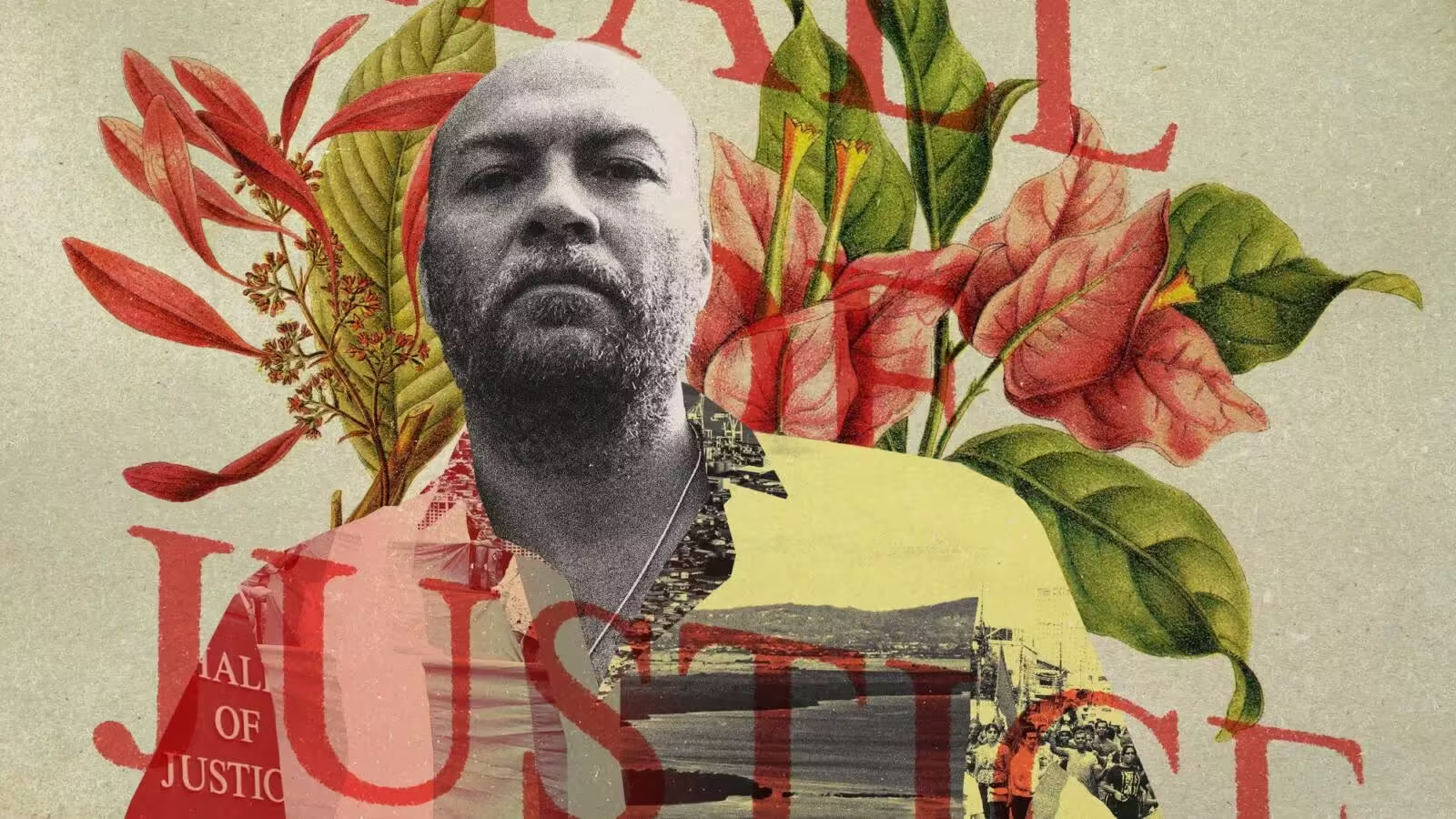
Trinidad-born LGBTQ+ activist Jason Jones has been fighting the “buggery law”, introduced in 1925 under British colonial rule, since 2016, “arguing that it violated his constitutional rights”, said The Guardian.
Jones had won a landmark legal victory in 2018 when Trinidad’s High Court ruled that the “provisions criminalising consensual anal sex were unconstitutional”. But the islands’ government appealed and last year won a ruling that reversed that decision and “recriminalised consensual anal sex”.
The Privy Council, the highest court of appeal for many Commonwealth countries, has now overturned that judgment. In a unanimous verdict, the Privy Council ruled the colonial-era laws “infringed” Jones’ “fundamental rights”.
A free daily email with the day’s biggest news and analysis – and the best features from TheWeek.com
Issues unresolved
Jones, who lives in London“welcomed the decision but said broader issues of human rights and equality for LGBTQ+ people remain unresolved across the Commonwealth and other jurisdictions where colonial-era laws continue to exist”, said Caribbean National Weekly.
Similar laws have been repealed in British Overseas Territories in the Caribbean such as Anguilla and Montserrat, and overturned in countries including St Lucia, Barbados and Dominica.
But some nations in the region retain legislation criminalising “consensual same-sex relations between men”, said Attitudeincluding GrenadaJamaica, and St Vincent and the Grenadines.
After the ruling, Jones said: “We may not see the benefits of this for 50 years. What a judgment says in a courtroom and what happens in your home and workplace are two entirely different things.”
Toolq Media Is a Global News Platform Covering the Latest Developments and Breaking Stories from Around The World, Including World News, Business, Finance, Technology, Health, Politics, Science, Entertainment, Sports, and More.