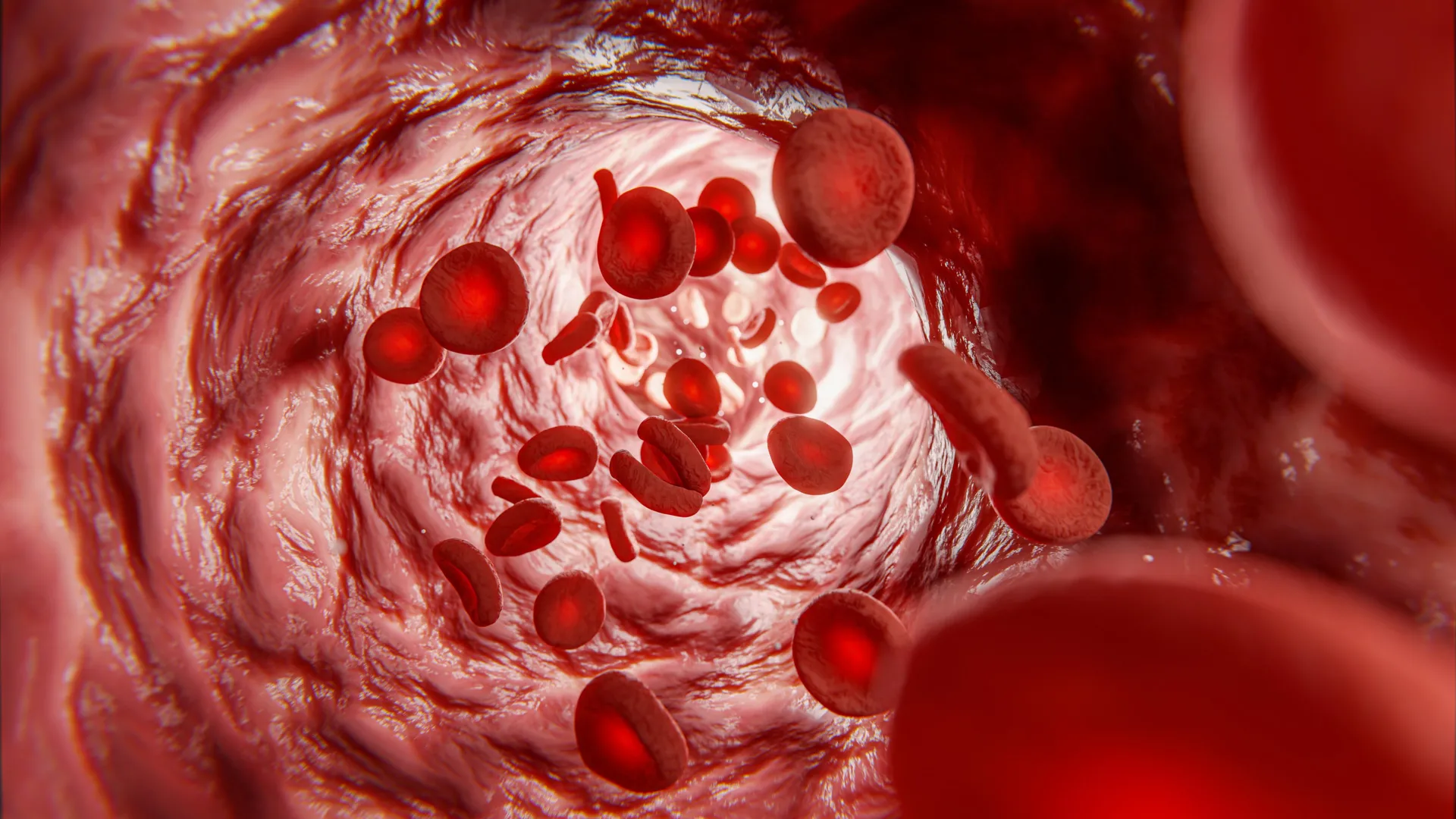

Blood vessels naturally become less flexible with age, and certain diseases can accelerate this process. As blood vessels stiffen, the risk of cardiovascular disease and premature death increases.
One factor that can contribute to this damage is an excess of phosphate in the bloodstream. Although elevated blood phosphate (hyperphosphatemia) is relatively uncommon in the general population, it occurs much more frequently in people with chronic kidney disease (CKD), whose kidneys gradually lose their ability to filter waste from the blood.
Scientists at the University of Colorado Anschutz School of Medicine have identified a kidney protein that plays a critical role in regulating blood phosphate levels. The discovery could have particularly important implications for people living with CKD.
In a new study published in October 2026, the researchers found that a deficiency of this protein caused blood vessels to stiffen more rapidly and shortened lifespan in animal models. These effects were especially pronounced when the animals consumed a diet high in phosphate. Reducing phosphate intake helped alleviate some of the damage.
The findings point to a potential new target for medications and other therapies designed to maintain healthy phosphate levels. Such treatments could eventually help people with CKD improve their overall health and potentially live longer.
“Phosphate is really underestimated in terms of longevity in all mammals. The higher the concentration of phosphate in the blood, the shorter the lifespan,” says Makoto Miyazaki, PhD, a research professor in the Division of Renal Diseases and Hypertension and the senior author of the new study.
How Excess Phosphate Accelerates Blood Vessel Aging
Phosphorus is an essential nutrient that helps build and maintain strong bones. It occurs naturally in a wide variety of whole foods, including meat, poultry, fish, whole grains, nuts, legumes, and dairy products, generally in the form of organic phosphate compounds. Food manufacturers also add phosphates to processed foods and beverages to improve flavor and extend shelf life.
Although phosphorus is necessary for good health, excessive levels in the blood (hyperphosphatemia) can trigger a series of damaging biological changes. Phosphate additives may be particularly concerning because the body absorbs them more rapidly and efficiently than the organic phosphates naturally present in whole foods.
Persistently elevated phosphate levels can cause smooth muscle cells within blood vessel walls to behave more like cells responsible for building bone. As a result, these cells begin depositing calcium phosphate crystals resembling those found in bones, causing the blood vessels to harden (or calcify).
Healthy blood vessels are flexible, allowing them to expand and contract in response to changing blood flow demands. Calcification compromises this flexibility, effectively accelerating vascular aging and potentially contributing to numerous age-related health problems throughout the body.
A Hidden Protein Helps Maintain Phosphate Balance
Under normal circumstances, the kidneys remove excess phosphate from the bloodstream before it reaches harmful levels. As CKD progresses, however, declining kidney function makes it increasingly difficult for the body to eliminate phosphate and other substances.
Maintaining the right amount of phosphate requires continuous adjustments. After the kidneys filter phosphate from the blood, a portion is eliminated through urine, while the remainder is returned to the circulation. A protein known as NPT2A is responsible for reabsorbing approximately 75% of the filtered phosphate, preventing the body from losing too much phosphorus.
When phosphate levels are already elevated, however, this recycling mechanism can become problematic. Miyazaki and his colleagues discovered that another protein, called TMEM174, acts as a natural brake on this process. By binding to NPT2A, it limits the amount of phosphate being reabsorbed into the bloodstream.
Protein Deficiency Shortens Lifespan in Animal Models
The latest findings highlight the importance of TMEM174 in maintaining healthy phosphate levels. Animals deficient in the protein struggled to regulate phosphate in their blood, experienced increased vascular calcification, and had significantly shorter lifespans.
“We don’t fully understand how yet, but somehow TMEM174 is destabilizing NPT2A,” says Miyazaki. “And without enough TMEM174, homeostasis is disrupted.”
A deficiency of TMEM174 appears to result primarily from genetic factors rather than chronic kidney disease itself. However, the research suggests that people with CKD who also have insufficient levels of this protein could be particularly vulnerable to the harmful effects of excess phosphate.
A Potential New Target for Protecting Blood Vessels
Miyazaki hopes the discovery will lead to treatments that reduce the amount of excess phosphate the kidneys return to the bloodstream.
Dietary changes may provide some benefit, particularly by reducing consumption of fast food, deli meats, sodas, and other processed products that contain large amounts of phosphate. However, Miyazaki explains that managing phosphate levels through diet alone can be challenging, especially for people with CKD. Because phosphate is present in such a wide range of foods, avoiding it is virtually impossible.
In future research, Miyazaki plans to investigate these kidney proteins further, along with the hormones involved in maintaining the body’s chemical balance. He also wants to better understand why calcium accumulation in blood vessels is so common among people with CKD.
For now, identifying the role of TMEM174 represents an important advance in understanding how the body regulates phosphate. It could also help lay the groundwork for new approaches to improving the health of people whose phosphate balance is disrupted.
“Scientists have been studying phosphate homeostasis for over 100 years, so to still find a new protein that regulates phosphate is kind of unique,” says Miyazaki.
Source: www.sciencedaily.com