
We just spent much of the week at the Restaurant Finance and Development Conference in Las Vegas, an annual event that brings together restaurant operators and the companies that help finance them.
The mood at the event was dim, which we wrote about here. That is the natural result of years’ worth of weak sales and traffic, rising numbers of bankruptcies, and a restricted credit environment.
But there were many other takeaways that we had from the three-day event. Here are a few of them:
Deals aren’t getting done right now
Restaurant deals appear to be in a holding pattern right now. Franchisors can find buyers, because the market still loves their low cost of capital and more predictable cashflow. But deals for restaurant companies are struggling to get done.
Blame private equity. The investment firms have been less likely to buy restaurants because they can make more money in other sectors. “Fewer private-equity firms have been interested in the restaurant space because they’re getting outsized gains in other areas,” said Cristin O’Hara, head of restaurants for Bank of America.
And some aren’t buying because they have assets on the books that can’t be sold at the valuations they want.
“Investors that were so active in the market in 2018, 2019, their portfolios are chock full of brands,” said Ashish Seth, founder of Harrington Park Advisors. “They can’t exit for one reason or the other. Maybe it’s performance. Maybe it’s not the valuation they want. So 50%, 60% of the buyer base has just evaporated.” There are some buyers out there, like Savory Fund or Garnett Station Partners, but they don’t make up for the loss, he said.
That said, deals are getting done for good operators and good brands. But sellers need to be “realistic” about the valuations they can expect.
Restaurants have lost a lot of traffic
Victor Fernandez, chief insights officer with Black Box Intelligence, said that industry same-store sales are tracking to be up 1.7% for the year, “which actually isn’t that bad.”
That’s better than 2024, and it’s better than 2025. But as usual, the number comes with a caveat: Average check is doing all the work. Traffic remains down.
That has been the case for years. And all those lost visits are adding up. Restaurant traffic is down 21% since 2018, he said. “That’s a lot,” he said. The average brand “has lost a lot of its same-store traffic.” The industry, it seems, has expanded well beyond consumer demand.
The value definition is changing
Want to give consumers more value? Don’t focus just on price. Consumer views on value have evolved, and how much they pay is not as important as what they get for the price.
Chains are now adjusting their value offerings because they realized customers don’t care about pricing as much as they did then, they just want better food/service and are willing to pay more for it. They are dining out less and when they do, they want it to be worth it.
“It’s no longer just product. It’s not just price point. It’s experience and that includes QSR,” said Revenue Management Solutions CMO Jana Zschieschang. If you can get precise on pricing down to individual markets or locations, that will help protect margins. Beverages and snacks remain the biggest traffic and occasion driving opportunities.
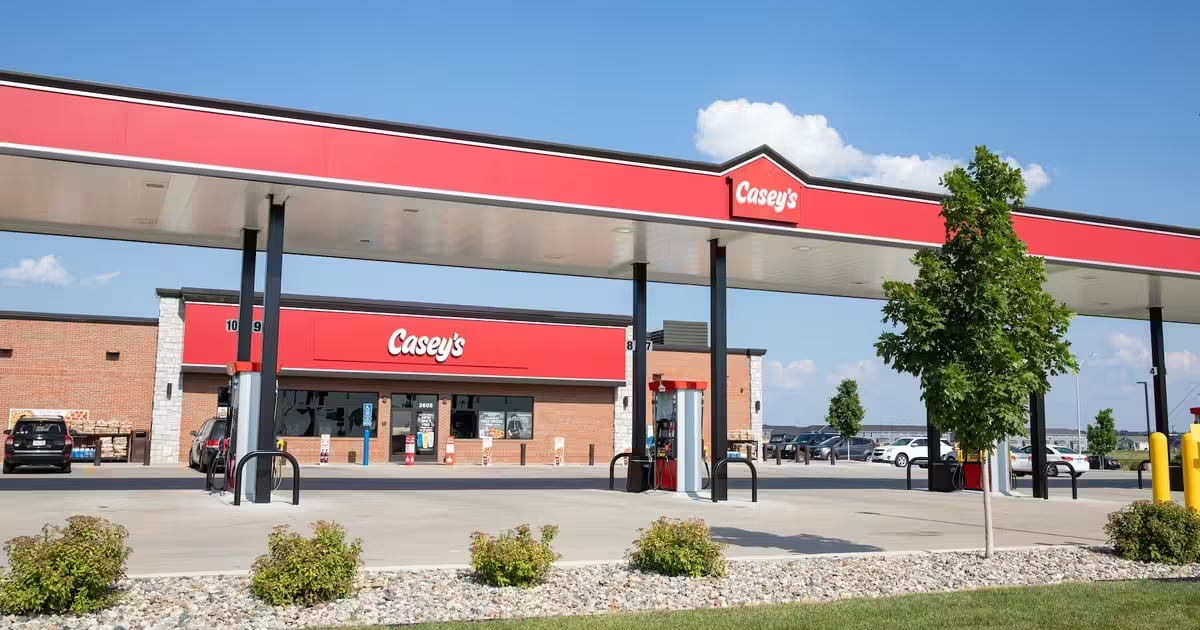
Competition is evolvingRestaurants are no longer competing with other restaurants for business. They’re competing with convenience stores and grocers.
Rich Shank, senior principal with Technomic, said that convenience stores are competing directly with fast-food chains like McDonald’s.
R.J. Hottovy, head of analytical research with Placer.ai, noted that restaurants should be mindful of supermarkets, as consumers became more comfortable dining at home during the pandemic. And independent restaurant sales are also up, thanks to their better value proposition and higher perceived quality.
Want more sales? Get more customers.
That may seem obvious, but these days it is not, given the prevalence of loyalty programs and mobile apps that are designed to increase frequency among existing customers.
Chris O’Cull, analyst with Baird, analyzed 335 million visits at 1,260 restaurants and eight chains. He noted that how often consumers visit a restaurant barely changes and depends on the concept. “People visit a coffee shop once a day because they do caffeine daily. People may visit a polished casual-dining restaurant a few times a year to celebrate special occasions,” he said. “So frequency does not vary by segment.”
The key point, then, is to get more customers, not more frequency. Chili’s, for instance, grew customer count by about 17% since 2017. But it also grew its total visits by the same amount. “Traffic largely tracks the size of your customer base,” O’Cull said.
Source: www.nrn.com