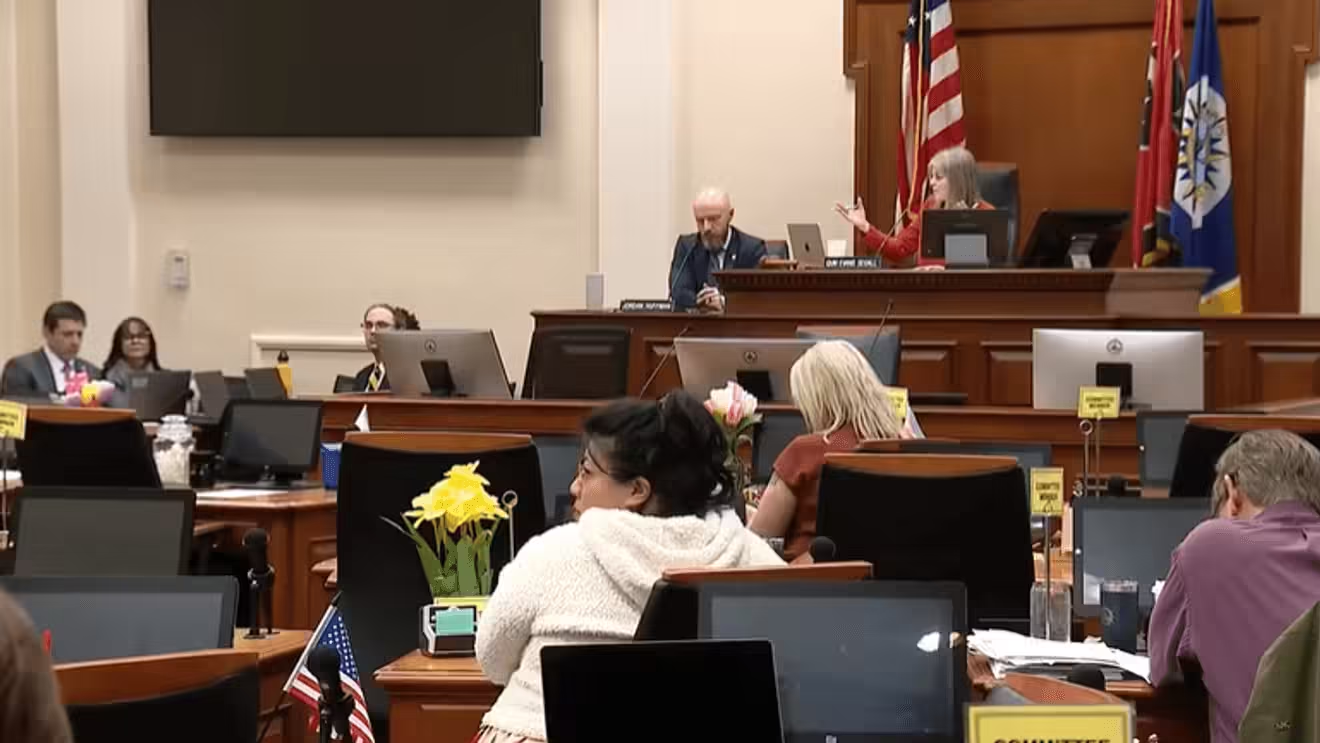

NASHVILLE, Tenn. (WZTV) — A Friday meeting marked the first step in Metro Nashville leaders’ efforts to figure out how to cut the Metro Council in half following a Tennessee Supreme Court decision earlier this month, upholding a new state law capping local governing bodies at 20 members.
But with Metro Council currently made up of 40 members, major questions remain about what the new structure will look like, how residents will be represented and when the changes will take effect.
For more than six decades, Metro Nashville Council has had 40 members representing residents across the city. That includes 35 district representatives and five at-large members.
The state law, passed in 2023, requires the council to shrink to no more than 20 members. Metro challenged the law in court, but the Tennessee Supreme Court upheld it, leaving city leaders to figure out how to implement the changes.
Some council members have criticized the law, arguing it will reduce residents’ access to elected representation.
“This was purely an attack on the democracy we have here in Nashville,” Metro Council member Russ Bradford said in a previous interview with FOX 17. “The voters have twice gone to the polls, and both times they have supported a 40-member council because to them having such a large body means better access to their representation. And so what the state did was anti-democratic.”
Now, Metro leaders must determine what the new council structure will look like.
“The Supreme Court didn’t really at all provide any guidance to you about what your job is. The ruling merely upheld the legislature’s ability to enact this law,” Metro Law Director Tyler Yarbro said.
Among the questions facing council members are how many district seats there will be, whether the new structure will include at-large representatives and how and when in the process district boundaries will be redrawn.
Two possible configurations have previously been explored: 15 district members and five at-large members, or 17 district members and three at-large members. Neither option has been finalized.
The changes could also mean significantly larger districts. Currently, district council members represent roughly 20,000 residents each. Under a smaller council, that number could increase to approximately 40,000, potentially giving each representative more constituent concerns, zoning requests and neighborhood issues to handle.
Another consideration is whether council members should continue serving part-time or move to full-time positions.
Metro council members currently earn approximately $25,000 annually. Some have argued the workload already exceeds 40 hours a week, raising questions about whether additional staff, higher salaries and benefits could ultimately increase the cost of operating the council.
The timeline for implementing the changes also remains unclear.
“The statute doesn’t provide a prescribed implementation timeline. Now, I don’t say that to suggest that you should dilly-dally,” Yarbro said.
Yarbro said a proposed Metro Charter amendment outlining the council changes should be put on the ballot for voters to approve or reject.
The next scheduled election is in August 2027, but it remains unclear whether there will be enough time to finalize the changes by then. A special election could also be necessary.
There is also the possibility voters could reject the proposed charter amendment, sending council members back to the drawing board. Nashville voters previously rejected a proposal to reduce the council from 40 to 27 members in 2015.
“I confess that this could be a conundrum,” Yarbro said during the meeting.
The council is expected to hold community meetings and continue discussions in the coming months to gather public input before deciding how to move forward.
Source: fox17.com