
Renewable energy is especially powerful for island countries like Dominica – offering a low-cost fuel source that does not need to be shipped or imported. The small Caribbean nation is aiming in its climate action plans to generate all its electricity from local and renewable sources, including hydropower, solar, and geothermal energy.
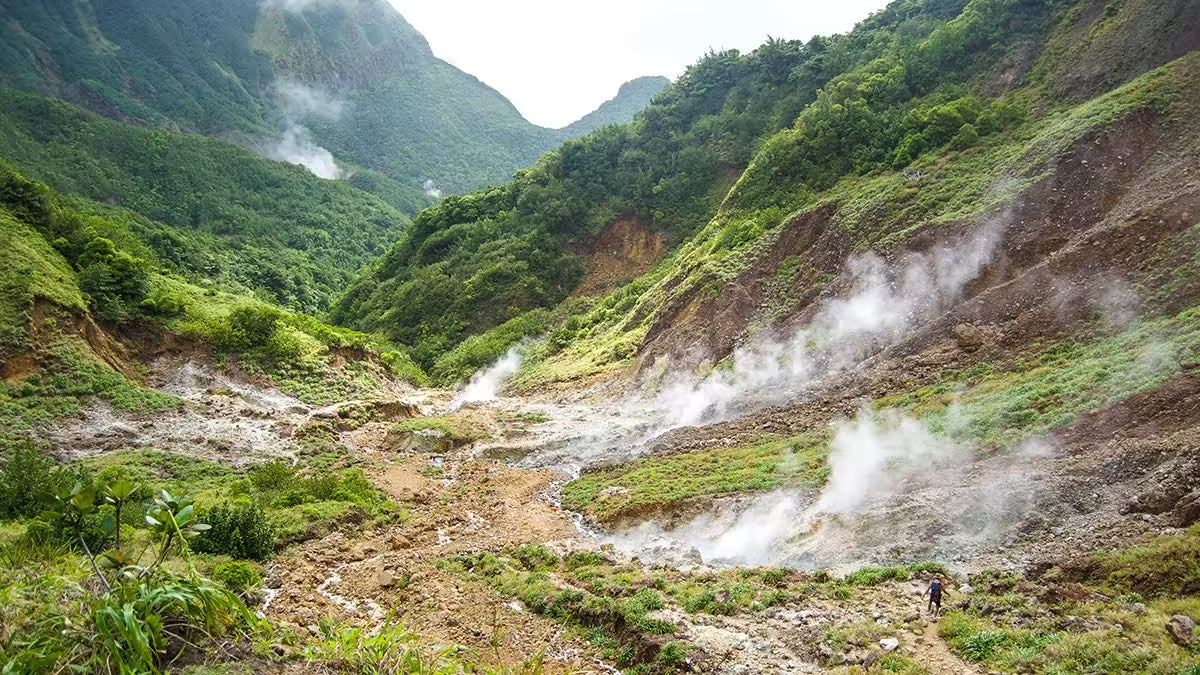
Dominica’s geothermal potential comes from its range of volcanoes, whose presence helps heat underground water with magma, creating steam and hot water that can drive turbines for electricity. Harnessing geothermal requires drilling near hot reservoirs and tapping into magma chambers to source the Earth’s internal heat.
A new 10-megawatt geothermal power plant in the village of Laudat in the Roseau Valley represents a major stride forward for the sector in the country of 70,000 people, raising the share of renewable energy in Dominica’s electricity generation mix from about 25 to more than 80 percent. This first geothermal power plant in the English-speaking Caribbean started commercial operations in July, and has been providing sustainable, reliable, and affordable electricity to customers of the national utility since then.
This progress follows significant long-term engagement from the World Bank and new, innovative financial support from the Global Environment Facility that moved quickly to provide targeted support to a Small Island Developing State.
The GEF committed a mix of grants and blended finance in order to structure a solution that helps reduce risks and attract private investment to the country, sector and project. This included a $5.9 million grant to the Dominica Geothermal Risk Mitigation II project which has worked to galvanize investment in the Laudat operation and the wider geothermal sector.
The GEF grant is supporting the strengthening of policies and regulations related to geothermal development, as well as the construction of related climate-resilient electricity infrastructure, including a new hurricane-resilient underground transmission line led by the Dominica Geothermal Development Company.
Additionally, and critically, the $5.5 million guarantee provided under the GEF’s blended finance program and implemented by the World Bank made it possible for Dominica Electricity Services Ltd., the country’s electricity utility, to secure the financing necessary to meet its financial security obligation under the Power Purchase Agreement with the plant’s private sector developer, Geothermal Power Company of Dominica (2023) Ltd.
The GEF guarantee ultimately helped mobilize than $110 million in co-financing from public and private investors for the construction and operation of the power plant and the associated transmission network. It was structured by the World Bank Group Guarantee Platform, hosted at the Multilateral Investment Guarantee Agency (MIGA), which led negotiations to help bring the transaction to completion.
Overall – the GEF support moved quickly, from Council approval to CEO endorsement in just six months, advancing tangible positive change in a Small Island Developing State using a broad suite of financial tools.
“This clean and reliable energy project in Dominica is an excellent example of how the GEF’s unique mix of grants and blended financing can have a transformative effect for initiatives that generate global environmental benefits while strengthening energy security domestically, particularly in small island states. It is also an example of how we can move quickly for significant impact, with just nine months from approval by the GEF Council to implementation,” said GEF CEO and Chairperson Diego Mesa Puyo.
“The GEF and World Bank teams worked together closely to accelerate the financing arrangements that would enable the geothermal plant to start commercial operations. We are delighted to see it come together and look forward to replicating this approach in other small island states in the period ahead.”
Now that it came onstream, the Laudat operation channels hot steam from Dominica’s volcanic heart to the surface, where it drives turbines that generate enough power for 23,000 households – about one-third of the country’s population. The plant has performed well since commissioning, and has created new skills and local construction and operations jobs. The project has also received several international awards.
The plant and the associated hurricane-resistant power transmission infrastructure are expected to have a transformative impact on the nation’s power system, making it more resilient and reducing recovery time from extreme weather events. Importantly, geothermal power also helps reduce Dominica’s reliance on expensive and uncertain imported fossil fuels – helping to generate global environmental benefits while ensuring the country has access to clean, affordable, and resilient energy supply.
Source: www.thegef.org