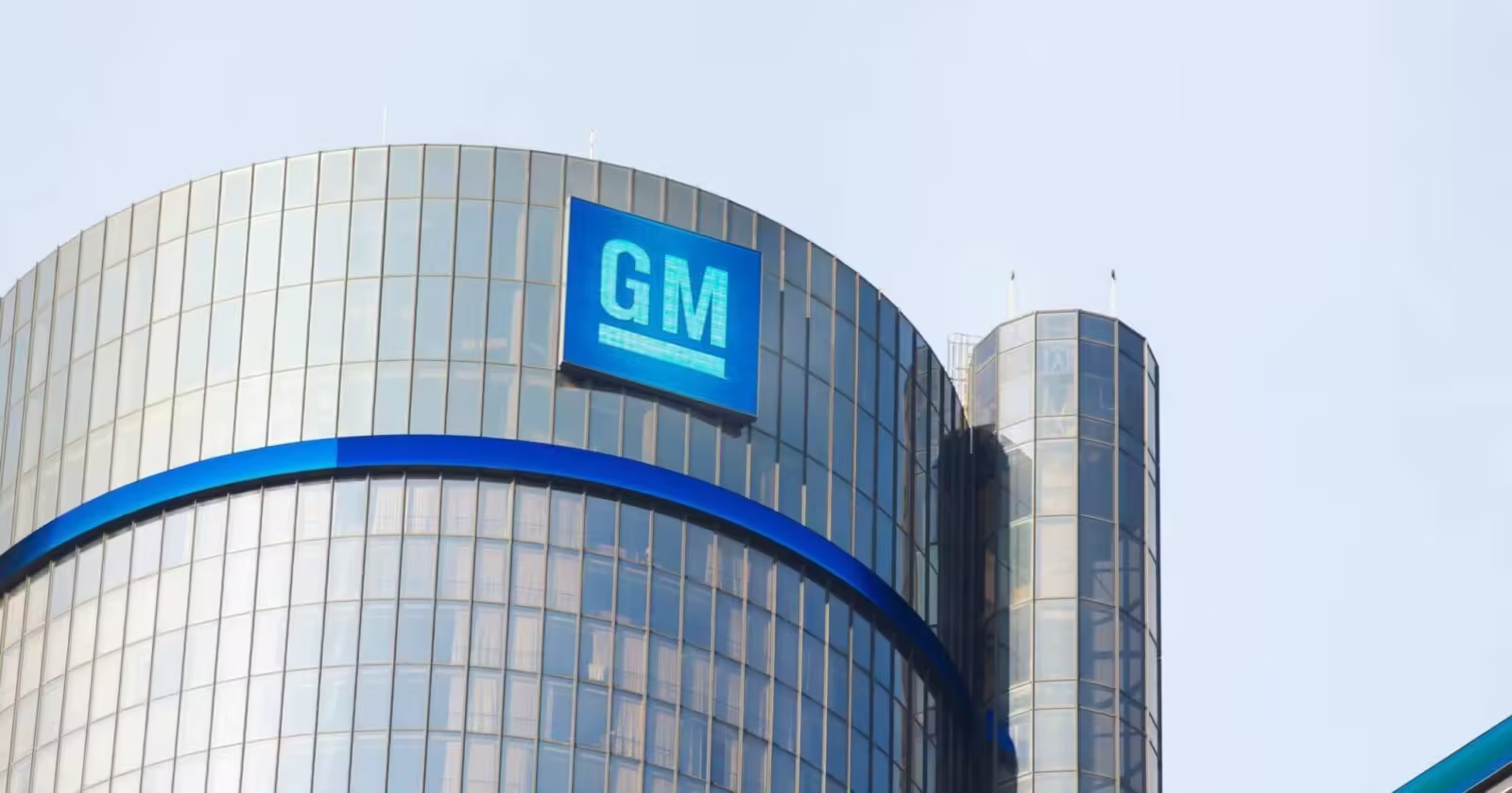

GM is the first US legacy carmaker to switch to Nasdaq, following Walmart and Palantir in seeking a tech-focused listing
General Motors has moved its stock listing from the New York Stock Exchange to Nasdaq, presenting itself as a software and AI-driven business rather than a traditional carmaker as it pushes deeper into automated driving and subscription services. The switch ends a NYSE presence dating back to 1911 and makes GM the first US legacy carmaker to list on Nasdaq, with its shares trading there from 17 November under the same GM ticker.
GM describes Nasdaq as a natural home for its technology-driven strategy, pointing to fast-growing subscription revenue from its OnStar and Super Cruise services alongside its work on autonomous driving and new battery chemistries.
It has also been open about the appeal of a potential place in the Nasdaq 100 index, which would bring demand from the funds that track it. Walmart, Palantir and SpaceX are among the companies that have moved to or chosen Nasdaq in recent years with index inclusion in mind, with Walmart joining the Nasdaq 100 within weeks of its switch in December 2025.
The listing change follows a run of technology announcements from GM. The carmaker says it is using AI and virtual engineering to halve its four-to-five-year vehicle development cycle, and it plans to launch a proprietary OnStar AI agent in the 2027 Cadillac Lyriq and offer eyes-off highway driving by 2028.
The move changes nothing about how GM builds or sells vehicles. Its significance lies in how GM wants to be valued: alongside technology companies, on the strength of recurring software revenue from OnStar and Super Cruise, rather than as a cyclical industrial manufacturer.
Why this matters:
- Automakers seek a technology identity. Becoming the first legacy US automaker on the Nasdaq suggests GM wants software, autonomy and AI to define how it is judged, placing subscription services such as Super Cruise and OnStar closer to the centre of its strategy.
- Technology roadmap faces sharper scrutiny. Associating itself with technology firms raises the stakes on commitments such as eyes-off highway driving by 2028 and halving vehicle development timelines, where slippage would undermine the repositioning.
- Operations remain firmly industrial. The switch leaves manufacturing, product and dealer operations unchanged, so any lasting shift will depend on whether recurring software revenue grows enough to reduce GM’s reliance on combustion trucks and SUVs.
Source: www.automotiveworld.com