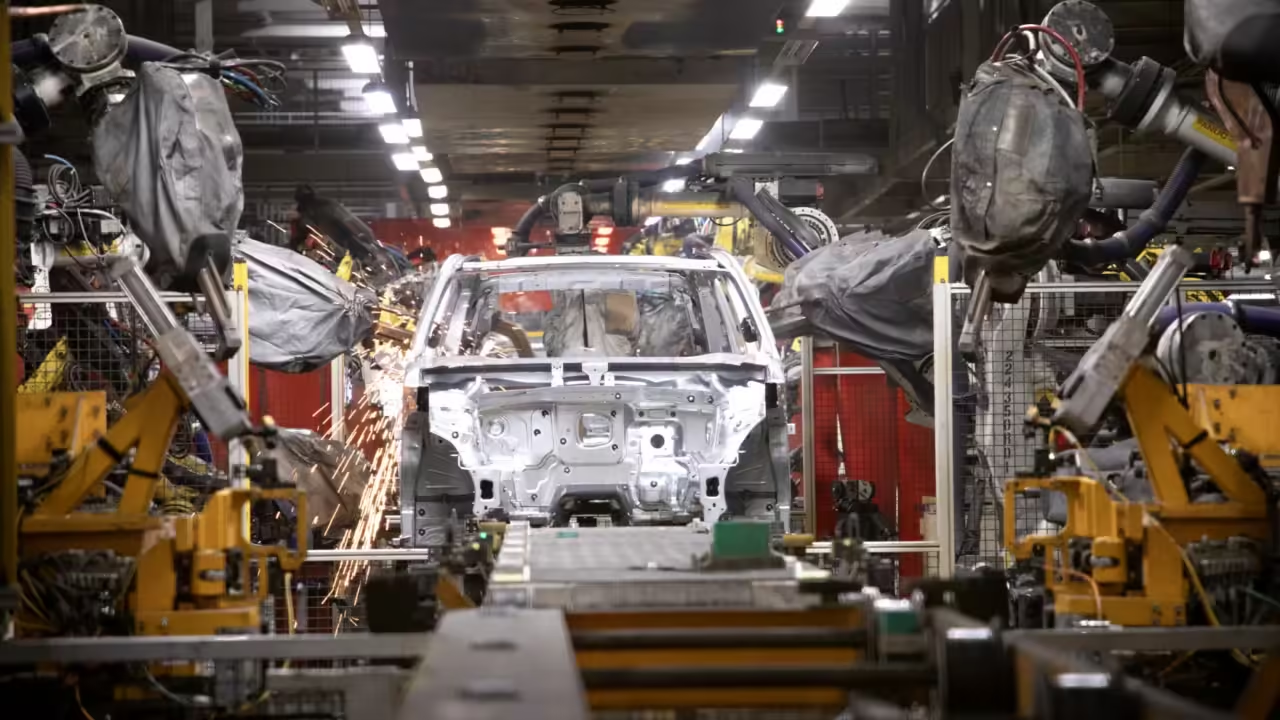

In an internal memo obtained by Reuters, Mercedes-Benz has announced to employees that the manufacturer will be halting further investments in Germany and will explore closing plants. This is similar to a month ago when Volkswagen released the board-approved “Future Plan 2030,” which planned a comprehensive corporate restructuring involving the loss of 50,000 jobs and reduction of its model portfolio by half. BMW too has reportedly told stakeholders it is looking to scale back and reduce costs. So, what on Earth is happening with the German automotive industry?
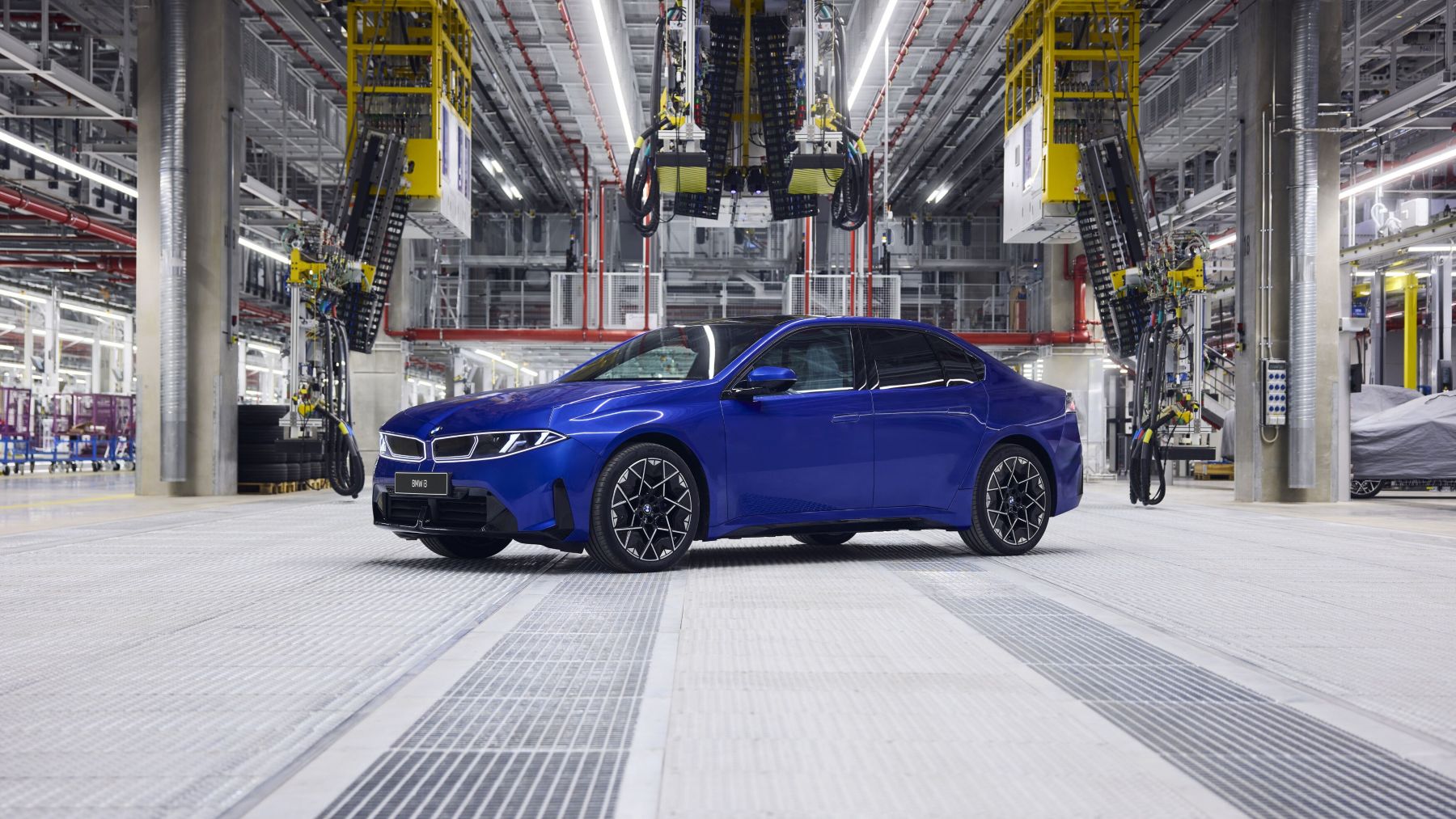
Deustche Welle (DW) reports that there are four main reasons for the troubles plaguing the German automotive industry:
1. High manufacturing costs
2. Tariffs from the United States
3. Increased competition from Chinese automakers
4. Difficulty transitioning to electric vehicles
Ferdinand Dudenhöffer, director of the Center for Automotive Research in Bochum, added, “In 2018, the industry employed around 830,000 people. Currently, that number is below 700,000. We project that by around 2030; it will be 500,000.”
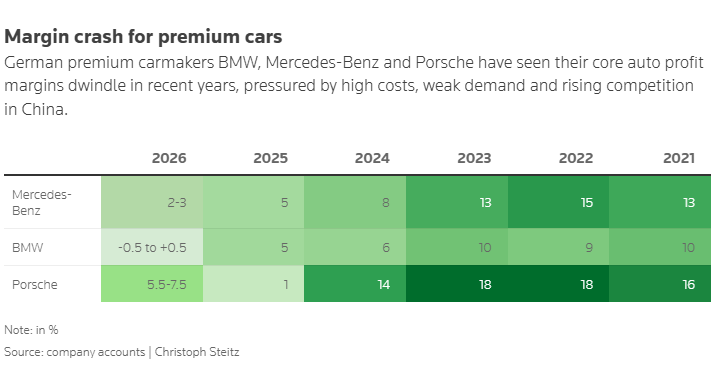
In the past five years, Mercedes-Benz, BMW, and Porsche have seen a substantial and consistent decrease in profit margin, as you can see in the above chart from Reuters.
Looking ahead towards the end of 2026, Volkswagen is expected to begin negotiations with Germany’s top industrial union beginning on November 24. The climate between the two parties is expected to be contentious as Volkswagen’s workers have threatened a strike would begin in January 2027 if Volkswagen does not reverse its cancellation of multiple wage and benefit agreements affecting 100,000 German workers.
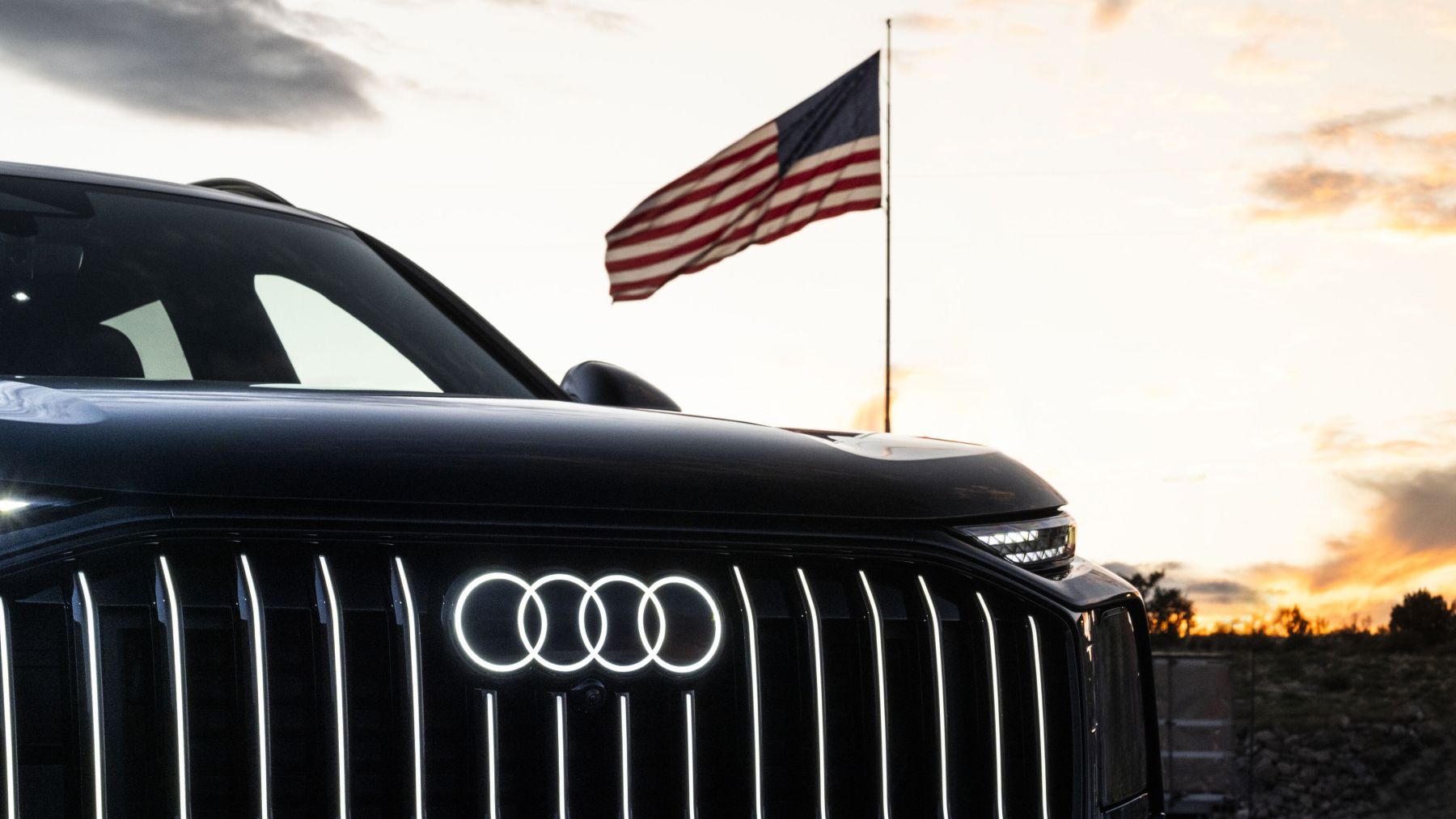
Three weeks ago, we told you about one of the ways that the German auto industry is looking to pivot: increasing the number of vehicles built in the United States. By 2030, Mercedes-Benz, BMW, and Audi are expected to be making more vehicles in the U.S. than ever before. The three German automotive manufacturers have announced investments of almost $10 billion combined with either new or existing United States plants.
So, will Porsche be next?
Source: journal.classiccars.com