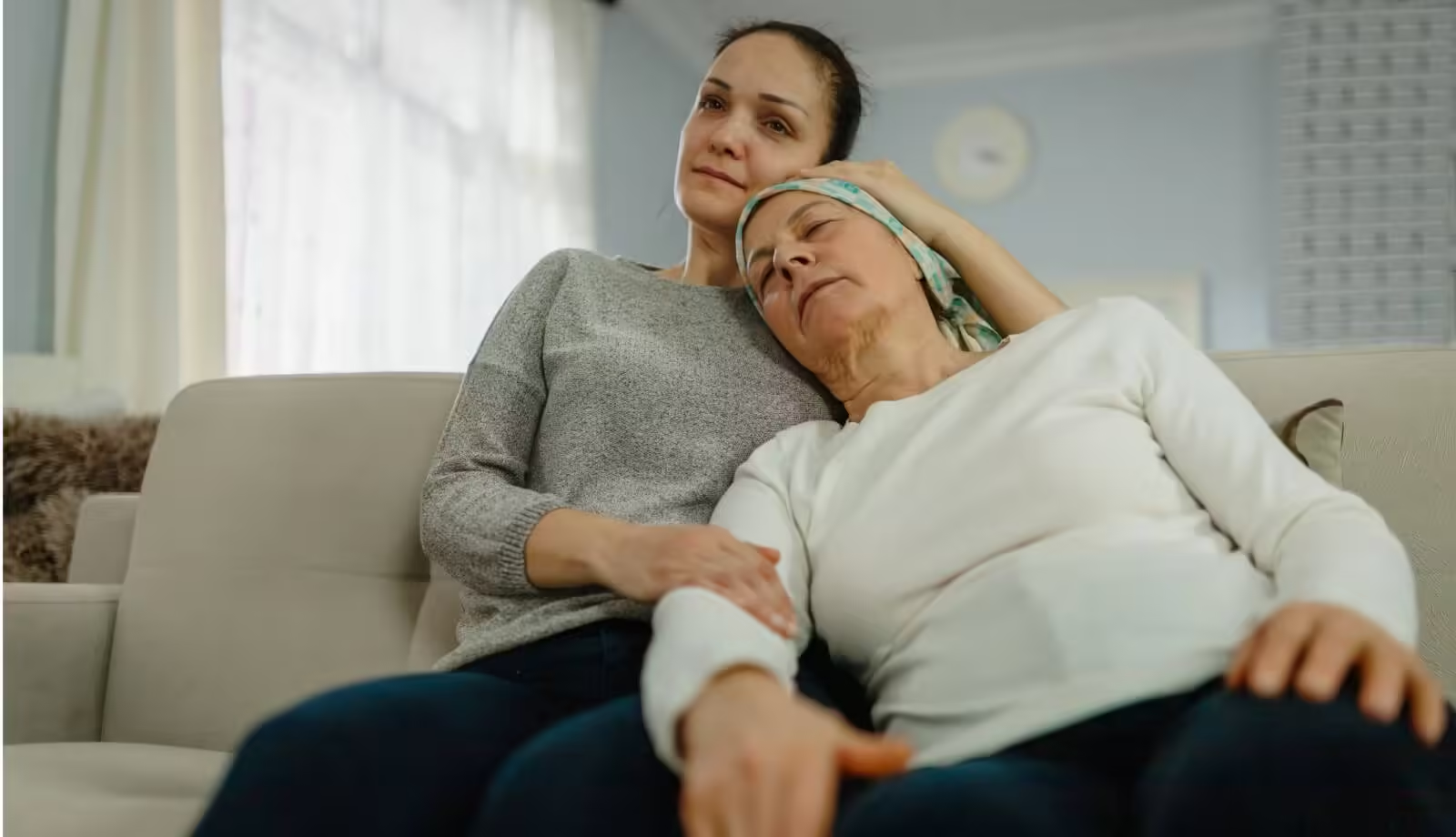

Day to day, family caregivers make it possible for someone living with a serious illness or disability to keep living their life. What is less often asked is how they are doing themselves. This report from the Caregiving in the US 2025 series examines family caregivers’ health and well-being across nine indicators, including physical and mental health, strain, stress, isolation, and sense of purpose, and for the first time allows direct comparison with the general adult population. It looks at how their health differs by caregiver characteristics, caregiving intensity, work and financial strain, and health care services and supports. Read the full report.
Key Takeaways:
- Millions of Americans are family caregivers, and caring for someone with a complex medical condition or disability is taking a toll on their own health. About 1 in 5 (20%) rate their own health as fair or poor, unchanged since 2020. In a typical month, they report 7.0 days of poor mental health, about 40% more than the general adult population, in every age and income group examined. Nearly 4 in 10 (38%) report high emotional stress, nearly 1 in 5 (19%) report high physical strain, and nearly 1 in 4 (24%) feel alone because of family caregiving, up from 21% in 2020.
- The more care family caregivers provide, the more strain on their own health, and some family caregivers are affected more than others. Those who provide 21 or more hours of care a week are nearly 3 times as likely to report high physical strain (32% vs. 11%). 51% of those who have a disability of their own rate their health as fair or poor, compared with 14% of those without a disability. Those who felt they had no choice in taking on the role report about 50% more poor mental health days than those who had a choice (8.2 vs. 5.6).
- Financial strain and lower income add to the toll on family caregivers’ health. Among those experiencing high financial strain, 76% report high emotional stress, compared with 30% of others, and 34% rate their own health as fair or poor, compared with 17%. Family caregivers with household incomes under $50,000 report 9.5 poor mental health days a month, compared with 6.3 for lower-income adults nationally.
- Family caregivers do much of the health care system’s work, yet few are ever asked what they need, and many lack the training and respite care that could help them stay healthy. 70% monitor their family member’s condition, 64% communicate with health care professionals, and 58% advocate with providers, services, or agencies. Only 22% of those who perform medical and nursing tasks have been trained for them, and 39% say respite care would help but only 13% have ever used it.
- Many family caregivers find purpose in the role, but purpose does not eliminate stress, strain, or isolation, and it is not a substitute for support. About half (51%) say caregiving gives them a sense of purpose, and that sense is more common among those providing more intense care. Family caregivers who felt they had no choice are the exception: 42% find purpose, compared with 62% of those who had a choice.
Source: www.aarp.org