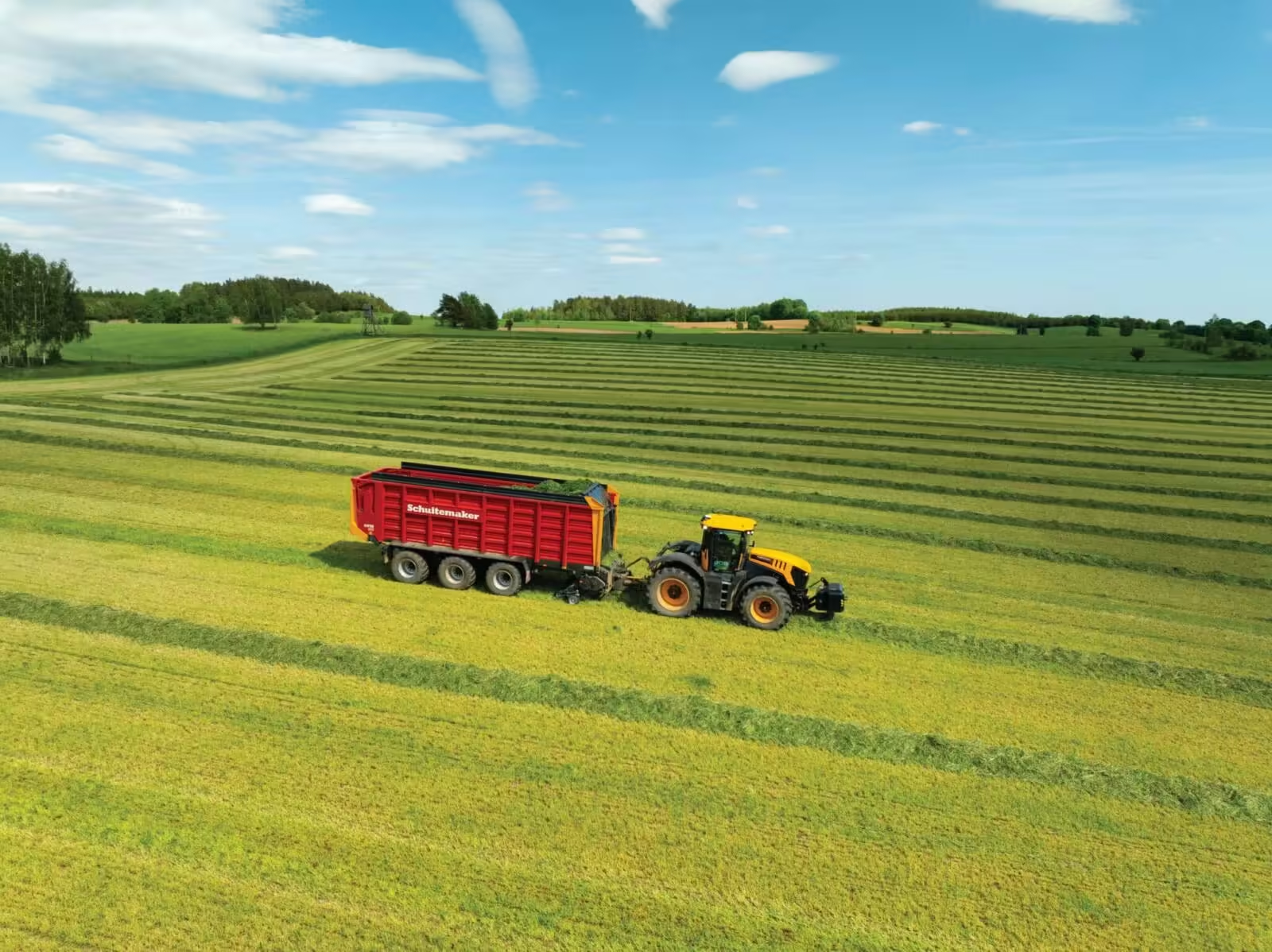

European seed production is undergoing a gradual geographic shift as higher temperatures, drought and greater weather variability reshape where crops can be produced most reliably. The 2026 harvest reinforced that direction, with dry and hot conditions affecting several key production regions and resulting in a crop harvest that is expected to be slightly below average.
The season also delivered some striking reminders of the changing production environment. Parts of England experienced record-breaking heat and prolonged dry periods, while the French city of Angers briefly became the hottest location recorded by global weather monitoring systems on 25 June, reaching 43°C in the shade.
For the seed industry, the question is no longer whether adaptation is needed, but how to combine productivity, resilience and security of supply in an increasingly variable production environment. That means reassessing production locations, strengthening diversified supply systems and breeding varieties that can perform consistently across a wider range of conditions.
“Resilience is becoming just as important as productivity, and that reality is reshaping how the European seed industry approaches production, sourcing and plant breeding.” – John Larsen, EVP Europe, DLF
A Structural Shift in Seed Production

This longer-term change is already visible in where seed crops are being produced. Over the past 10 to 15 years, production of temperate grass species has steadily moved towards more northerly regions of Europe as areas that historically offered ideal growing conditions face increasing pressure from higher temperatures and more frequent drought stress during critical parts of the growing season.
The same development is now becoming visible in legumes. Crops such as alfalfa and red clover are increasingly being evaluated for production in regions that offer more stable growing conditions. The 2026 season reinforced this trend, particularly in parts of Southern Europe where heat and drought affected pollination and seed set in several legume crops.
This is not a sudden relocation of European seed production. It is a gradual adaptation that is likely to continue as growers and seed companies respond to changing production conditions and seek to strengthen security of supply.
Weather Extremes Are Becoming Part of the Business Environment
The summer of 2026 brought exceptionally high temperatures across large parts of Europe. Southern Europe was particularly affected, with France experiencing severe drought conditions, heatwaves and widespread wildfires during the summer months. Similar weather patterns also influenced seed-producing regions in the Netherlands, Germany and Denmark.
Any individual season can be viewed as a temporary event. Agriculture has always operated with weather risk. Yet when extreme weather becomes more frequent and affects multiple production regions simultaneously, it becomes increasingly difficult to regard it as an isolated incident.
For the seed industry, this means that greater weather variability is no longer an occasional challenge. It is becoming a structural factor that must be integrated into production planning, risk management and future investment decisions.
At DLF, we increasingly see customers responding to this reality. Seed supply remains fundamentally linked to biological production, and weather can influence both yield and availability. As a result, many customers are securing supply earlier than in previous years, reflecting a broader awareness that production conditions have become less predictable.
New Varieties Continue to Deliver
One of the encouraging lessons from 2026 is that modern varieties continue to demonstrate a high degree of resilience under challenging conditions.
Decades of plant breeding have improved disease resistance, persistence, yield stability and stress tolerance across many turf and forage crops. These improvements helped mitigate some of the production challenges seen this season.
At the same time, the harvest also demonstrated that genetics alone cannot compensate for every environmental stress. Prolonged heat and drought during flowering and seed development reduced pollination efficiency and seed formation in several species.
Interestingly, responses differed significantly between crops. Species with naturally stronger tolerance to heat and drought often performed better, reinforcing the growing interest in crops such as tall fescue, festulolium, alfalfa and red clover. As climate variability increases, these species may play a larger role in future forage systems across Europe.
The Future Of Plant Breeding
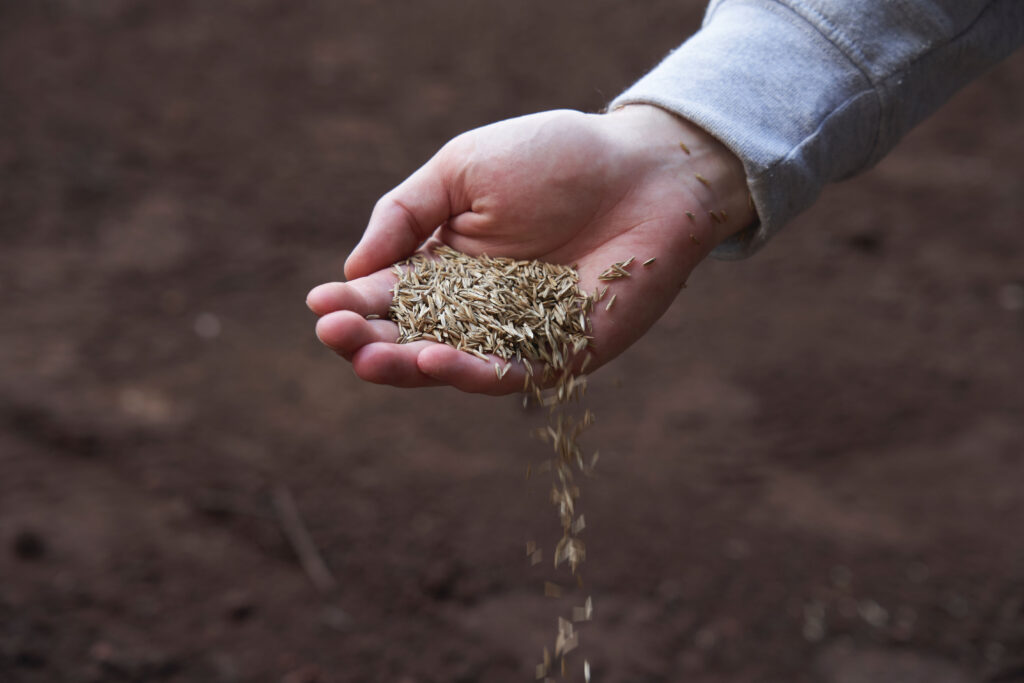
As production conditions become increasingly variable, plant breeding priorities are evolving to place greater focus on resilience alongside productivity.
Maximum yield potential will always remain important. However, future success will increasingly depend on developing varieties that combine productivity with yield stability and resilience across a wider range of environmental conditions.
At DLF, conventional plant breeding remains the foundation of variety development. At the same time, advanced technologies such as genomic selection are helping breeders work more efficiently with the complex genetics of grasses, clovers and alfalfa.
These tools enable earlier identification of promising plant material and support the development of varieties with improved tolerance to drought, diseases and other production challenges. New genomic technologies may further strengthen these efforts by providing deeper insight into the genetic mechanisms behind key traits related to resilience and resource efficiency.
The objective is not simply to breed crops that perform exceptionally well in one type of environment. The objective is to develop varieties that can deliver consistent performance across the increasingly diverse growing conditions that European agriculture faces.
Adapting to a New Production Reality
The 2026 harvest confirms that resilience will be built through connected decisions rather than a single response. Where seed is multiplied, how supply is diversified and which traits plant breeders prioritise will increasingly need to reinforce one another.
For DLF, this means continuing to invest in strong customer partnerships, diversified production systems and plant breeding programmes that deliver both productivity and stability. Taken together, these efforts can help the industry manage greater variability while maintaining a reliable supply of the varieties customers need.
The geography of European seed production may be changing, but the industry is not simply reacting to that shift. By acting on the signals from recent seasons, it can help shape a more resilient production base for the years ahead.
Source: www.seedworld.com