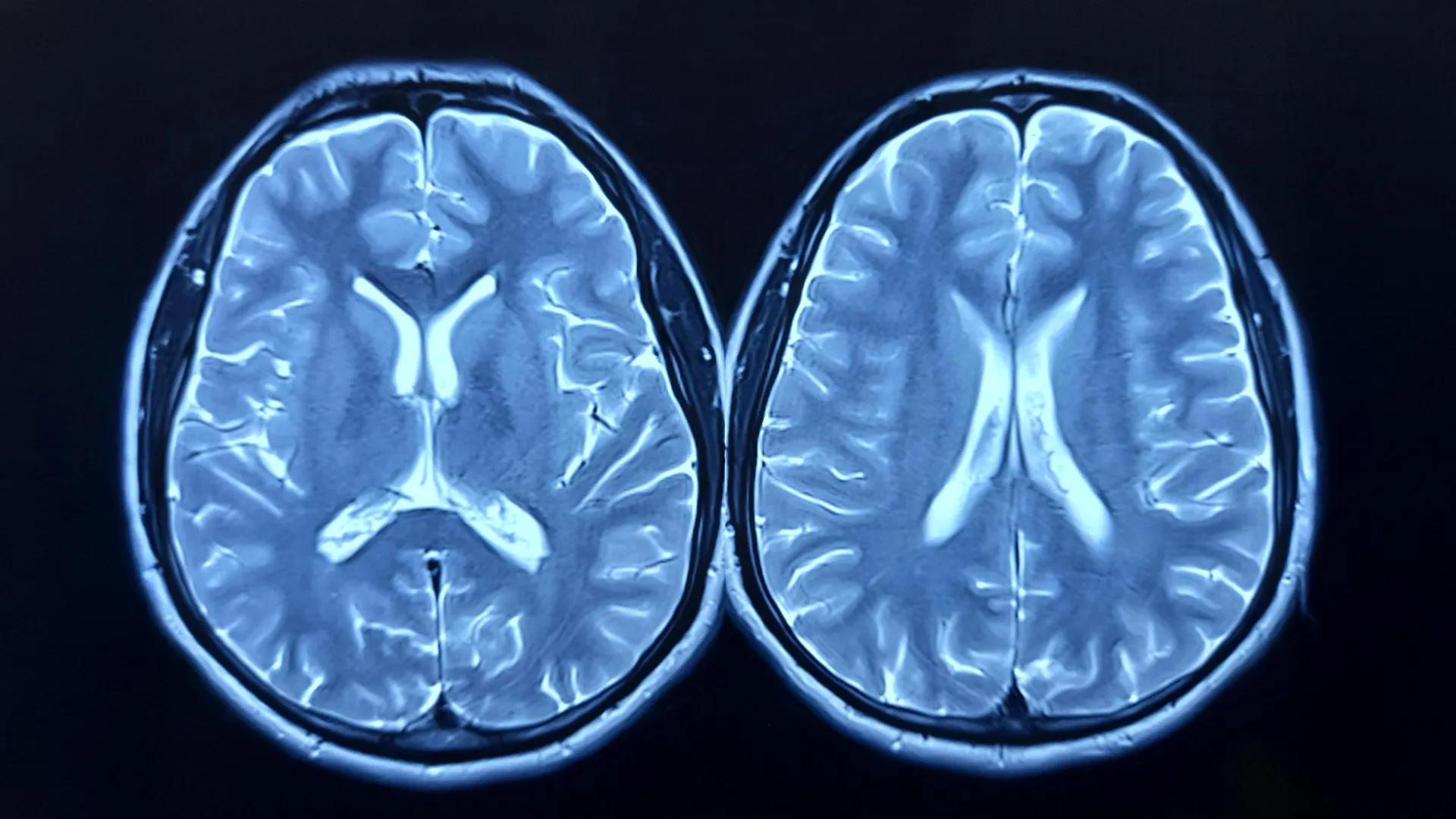

Brain scans have revealed a surprising pattern in people with autism. Although adults with and without autism showed remarkably similar brain activity when researchers compared group averages, a closer examination uncovered striking differences between individuals. These differences were especially pronounced in brain regions involved in understanding and responding to social information.
The findings, published in JNeuroscisuggest that looking at average brain activity may conceal important differences among people with autism spectrum disorder (ASD). The discovery could help scientists better understand why autism varies so widely from person to person and eventually support more personalized approaches to care.
The research was led by Dorit Kliemann and James Traer of the University of Iowa, who worked with collaborators to investigate how brain activity differs between adults with and without autism.
What Brain Scans Reveal When People Watch Movies
To explore these differences, the team examined previously collected brain imaging data from Indiana University and Caltech. The recordings captured brain activity as adults with and without autism watched movies from several genres, including animation, action, romantic comedy, and Hitchcockian thrillers.
Movies offered researchers a way to study how the brain responds to a constantly changing stream of sights, sounds, and social interactions. Unlike simple laboratory tasks, movies present a rich mixture of information that more closely resembles the complexity of everyday experiences.
Using the imaging data, the researchers trained a computational model to identify connections between brain activity and different elements of the movies. These included visual details, sounds, and more abstract social information, such as interactions between characters.
After training, the model was able to accurately predict activity across several brain systems.
Kliemann explained why this approach is particularly useful for investigating the social challenges sometimes associated with autism: “The computational model allowed us to look for robust brain responses to many different aspects of the complex, dynamic contexts in the movies.”
A Surprising Difference Hidden by Brain Activity Averages
The most unexpected finding emerged when researchers compared the two groups.
At first, the results suggested relatively little difference. When brain responses were averaged across participants, the model predicted activity in various brain systems similarly for adults with and without autism.
However, the picture changed when the researchers examined how much individual participants differed from others in their own group.
People with autism showed substantially greater variation in their brain responses than participants without autism. In other words, although the overall group averages looked similar, the responses of individual autistic participants were much less alike.
This increased variability appeared across nearly every brain system examined. The strongest differences occurred in the social brain system, a network of regions involved in processing social information and understanding other people.
Why the Findings Could Change Autism Research
The results raise important questions about how scientists investigate autism. Many existing approaches to understanding and treating the condition rely heavily on comparing average measurements from groups of autistic and nonautistic individuals.
But if autistic people show considerable differences in how their brains process information, these averages may obscure some of the most meaningful findings.
Traer described the team’s surprise: “We were surprised by the similarity of group averages. The results suggest that we need to focus on understanding the details of individual brain responses. How and why do they differ?”
Rather than searching only for brain activity patterns shared by everyone with autism, the findings point toward the potential value of studying individuals and identifying smaller groups with similar characteristics.
Kliemann highlighted what this could mean for future research and support: “Identifying ASD subgroups may help us build a more precise understanding of the condition and help develop ways to provide individually tailored support.”
The researchers now plan to investigate how these differences in brain activity relate to variations in autism-related behavior. They hope to determine where and when the differences emerge, how they are connected to individual characteristics, and what might explain them.
Ultimately, the findings suggest that understanding autism may require looking beyond the average brain and paying closer attention to the distinctive ways individuals process the world.
Source: www.sciencedaily.com