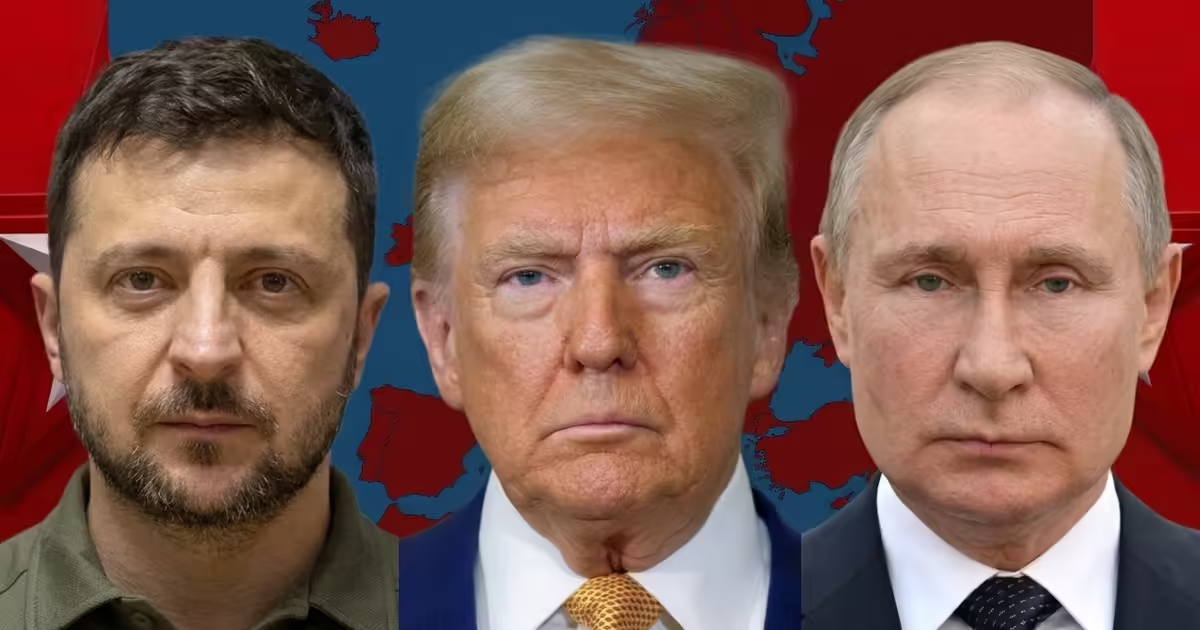

The breakthrough comes amid broader security discussions as U.S. faces pushback from European allies over proposed continental security arrangements and Middle Eastern leaders push for a negotiated end to the conflict.
Ukraine and Russia reach breakthrough prisoner exchange deal in Abu Dhabi
Following two days of U.S.-brokered talks in the United Arab Emirates, Ukrainian and Russian delegations agreed in principle to a major prisoner-of-war swap.
According to Reuters, U.S. envoy Jared Kushner described the upcoming exchange as the “biggest humanitarian release of prisoners” in the war.
Ukrainian President Volodymyr Zelenskiy confirmed that the scale of the release would be “significant”.
Although U.S. mediators noted that deep disagreements over territory remain unresolved, Ukrainian negotiator David Arakhamia stated that despite the Russian delegation arriving with “strict directives,” the discussions established “good momentum” toward reaching a settlement.
U.S., European Union, and Egypt address European security and peace negotiations
The humanitarian breakthrough in Abu Dhabi coincided with diplomatic friction after U.S. President Donald Trump met privately at the White House with Russian envoy Kirill Dmitriev while confirming he “did not meet with the Ukrainian delegation” .
Trump declared his diplomatic vision when he said, “It’s going to be a big agreement, and it’s going to involve more than Ukraine … I could even say it might involve all of Europe”.
This proposal sparked immediate pushback from European leaders who rejected negotiating continental security without their direct involvement.
European Union foreign policy chief Kaja Kallas stated, “We already have a European security architecture in place,” emphasizing that “Putin does not have a veto over European security”.
Polish Foreign Minister Radoslaw Sikorski similarly warned, “An arrangement about the future of Ukraine and of Europe above our heads would not just be unwise. It is actually impossible”.
Ukrainian Foreign Minister Andrii Sybiha reinforced this stance, declaring, “We have to talk about protecting ourselves against Russia, not talking with Russians about spheres of influence in Europe”.
Meanwhile, Egyptian President Abdel-Fattah El-Sisi reaffirmed Egypt’s diplomatic priority regarding the conflict during discussions with Russian President Vladimir Putin in Moscow.
Egypt has been one of Africa’s most vocal countries in calling for an end to the Russia-Ukraine war, while maintaining strong diplomatic and economic ties with both Moscow and Kyiv.
As reported by Business Insider Africa, he also raised the Ukrainian crisis during talks with Slovenian President Nataša Pirc Musar in Cairo on November 3, emphasizing the importance of political settlements that exclude no party and respect international law.
These repeated calls points to Egypt’s push for a diplomatic solution to the dispute.
However, the latest U.S.-mediated talks in Abu Dhabi produced a more limited outcome: an agreement in principle between Russia and Ukraine on a prisoner exchange.
While this falls short of the broader peace settlement Egypt wants, it represents a step towards easing tensions between the two countries.
Source: africa.businessinsider.com