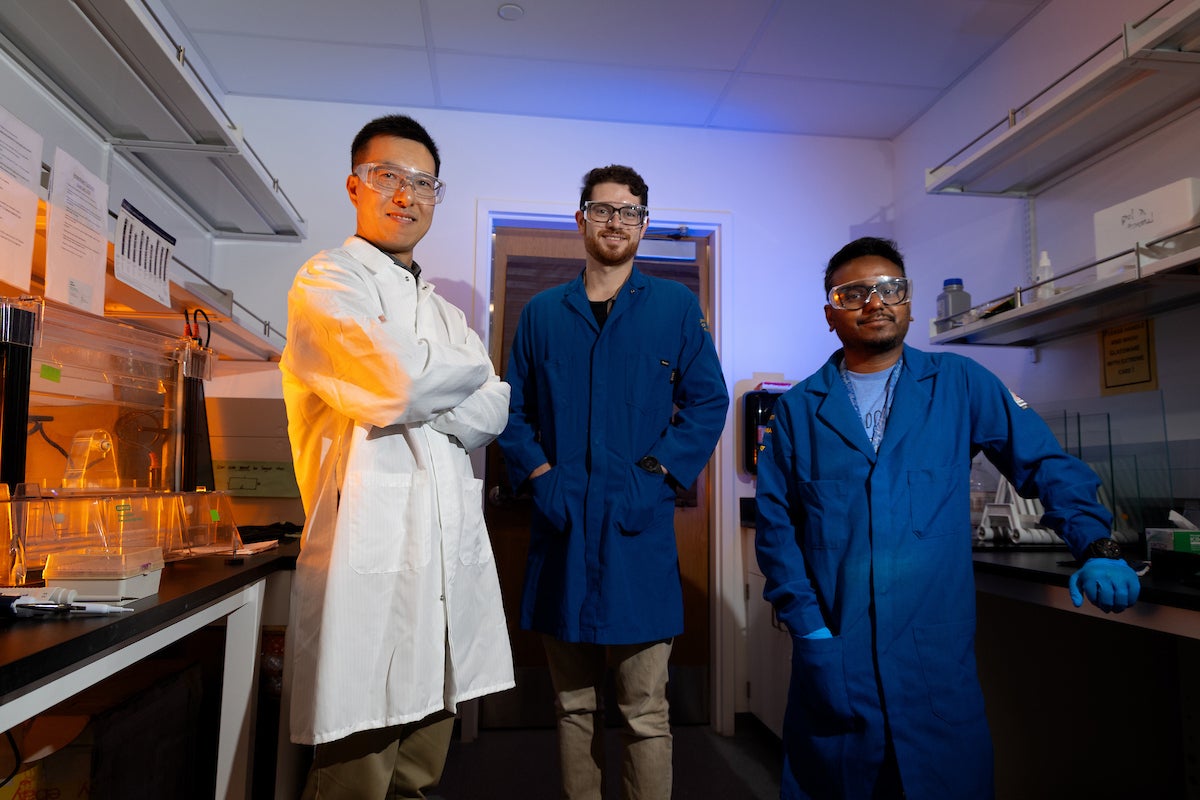

Chronic inflammation is a major factor in arthritis, type 2 diabetes, Alzheimer’s, and cancer. A new tool developed at UC Riverside allows researchers to see exactly how inflammation begins in human cells.
In a study published in Free Radical Biology and Medicine, researchers used cells lining the airways, as these come into direct contact with inhaled, inflammation-triggering pollutants. Learning what sets off this inflammation on a cellular level could eventually help researchers find ways to stop it from becoming chronic.
The study specifically focused on damage to DNA in mitochondria, the structures that supply much of a cell’s energy. Mitochondria carry their own DNA, which is separate from DNA that resides in the cell nucleus.
Earlier research has shown that mitochondrial DNA is key to the immune response. But many chemicals damage DNA in both the mitochondria and the nucleus, making it hard to tell what role each might play in triggering the body’s responses.
“This tool gives us a new way to investigate how mitochondrial injury contributes to inflammation,” said UCR chemistry professor and study corresponding author Linlin Zhao.
Some pollutants and medicines can cause damage by leaving small groups of chemicals attached to DNA building blocks. This kind of damage, called alkylation, can also come from ordinary, natural chemical reactions inside cells. The researchers wanted to know whether alkylation could set off inflammation when it occurs in the mitochondria.
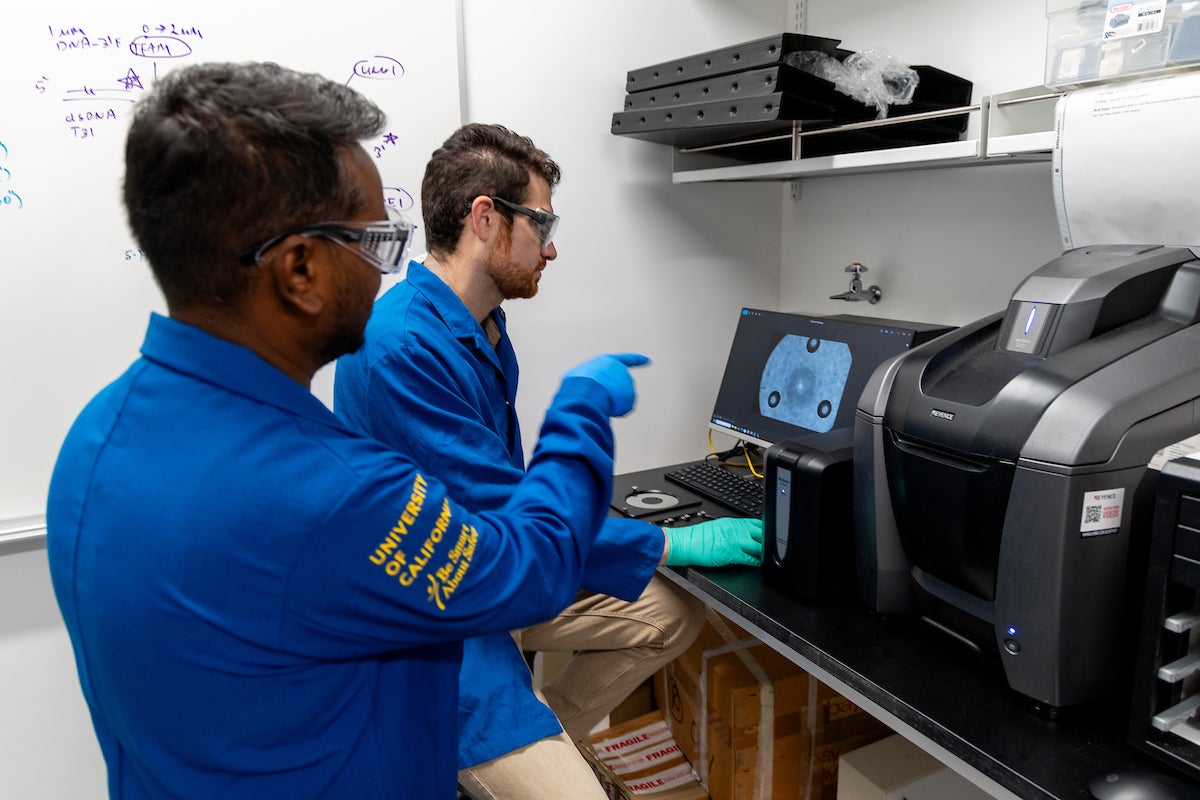
To find out, postdoctoral researcher Anal Jana started with chlorambucil, a chemotherapy drug that can damage DNA. He added a chemical group that helps the drug collect in mitochondria.
“I designed the molecule by combining my expertise in chemical synthesis with the Zhao lab’s extensive experience in mitochondrial biology,” Jana said.
Graduate student Anthony Rios, the first author of the study, tested this modified version as a tool to damage mitochondrial DNA in lab-grown human airway cells. Though the tool did not damage DNA from the nucleus, researchers noticed damaged mitochondrial DNA in the fluid outside the mitochondria. In this part of the cell, these damaged molecules can signal injury, and activate genes involved in immune response and inflammation.
The amount of damage from Jana’s tool mattered. At a lower dose, the researchers could detect changes to mitochondrial DNA while the mitochondria still behaved somewhat normally, consuming oxygen at their usual rate. At the higher dose, the DNA damage from the tool was more extensive, and the mitochondria behaved abnormally.
Zhao’s team plans to test versions of the molecule that cause different amounts of damage. The goal is to find out precisely how much damage it takes to set off inflammatory signals and whether the same process plays a role as cells age.
Identifying what sets inflammation in motion could eventually help scientists pinpoint where to intervene before the response persists long enough to contribute to disease. One question is which damage-related molecules that appeared outside the mitochondria helped trigger the response.
Zhao’s team also plans to test versions of the tool that cause different amounts of DNA damage. The researchers want to find out how much damage it takes to trigger an inflammatory response and whether aging cells respond differently.
“If we can figure out which steps set inflammation in motion, we can start looking for ways to intervene before it becomes chronic,” Zhao said.
(Cover image of inflamed wrist: iStock/Getty)
Source: news.ucr.edu