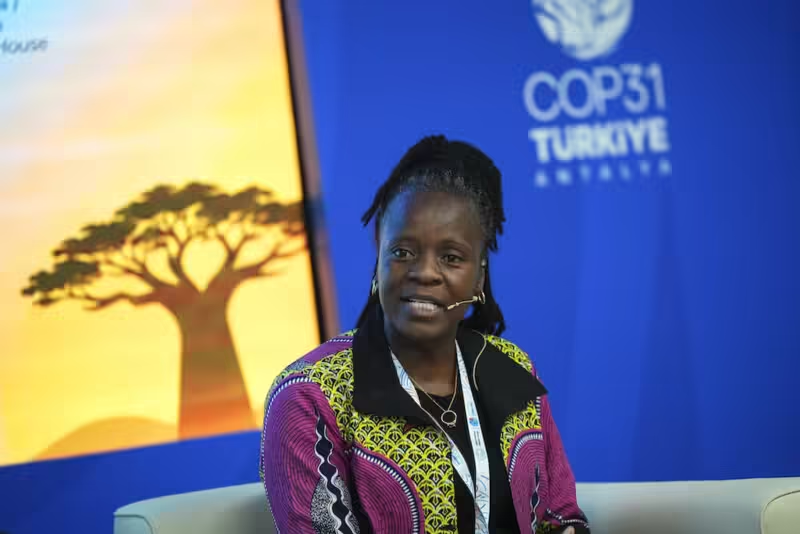

C
OP31 will convene in Antalya, Türkiye, under Türkiye’s presidency from November 9 to 20, 2026. The presidency has described the summit as an “implementation COP,” a vision reflected in the structure of its Action Agenda. Among the agenda’s 10 priority themes, the clean energy transition and electrification, along with climate-resilient cities, stand out. Financing, technology and capacity-building are treated as cross-cutting conditions for all themes. For Africa, the most significant initiative is the Climate Implementation Bridge, which aims to improve access to climate finance.
The emphasis on implementation was also carried into the pre-COP ministerial meeting held in Fiji in early October. At the meeting, Türkiye and Australia announced that they had agreed to prepare a presidency-led decision for Antalya. COP31 President Murat Kurum said the proposed text would not replace the formal negotiation tracks or create new obligations, and that it would be developed through early, transparent and inclusive consultations with the parties. Its adoption will ultimately depend on consensus among them.
These developments are unfolding at a time when the United States’ withdrawal from the Paris Agreement took effect in January 2026 and confidence in the multilateral process has weakened.
When Türkiye agreed to host COP31, it pledged to organize a conference connecting the Global North and South, with a focus on vulnerable regions such as the Pacific and Africa. Africa is among those expecting tangible results from this commitment. And those expectations have an existing foundation: Türkiye and Africa already have a functioning framework for climate cooperation.
The clearest example is the 2022–2026 Türkiye-Africa Joint Action Plan. Its infrastructure and agriculture component includes activities on climate resilience and disaster preparedness, combating drought and desertification, weather and climate, the impact of climate change on agriculture, and climate-friendly farming.
For example, the plan envisages a workshop, with the participation of Türkiye’s General Directorate of Meteorology, on incorporating weather and climate services into national strategies, development plans and programs. It also includes sharing Türkiye’s experience in combating desertification, land degradation and drought with experts from African Union member states, as well as supporting the Great Green Wall initiative across the Sahara and Sahel.
The plan identifies the Ministry of Environment, Urbanization and Climate Change as the implementing institution for most of these activities. This means that the ministry leading the COP31 presidency already has a defined role in climate cooperation with Africa. The central question in Antalya, therefore, is how this existing partnership can be aligned with Africa’s current priorities.
Source: politicstoday.org