
Local authorities are on the front lines of climate change but often lack the funding and resources needed to turn global commitments into tangible results for residents.
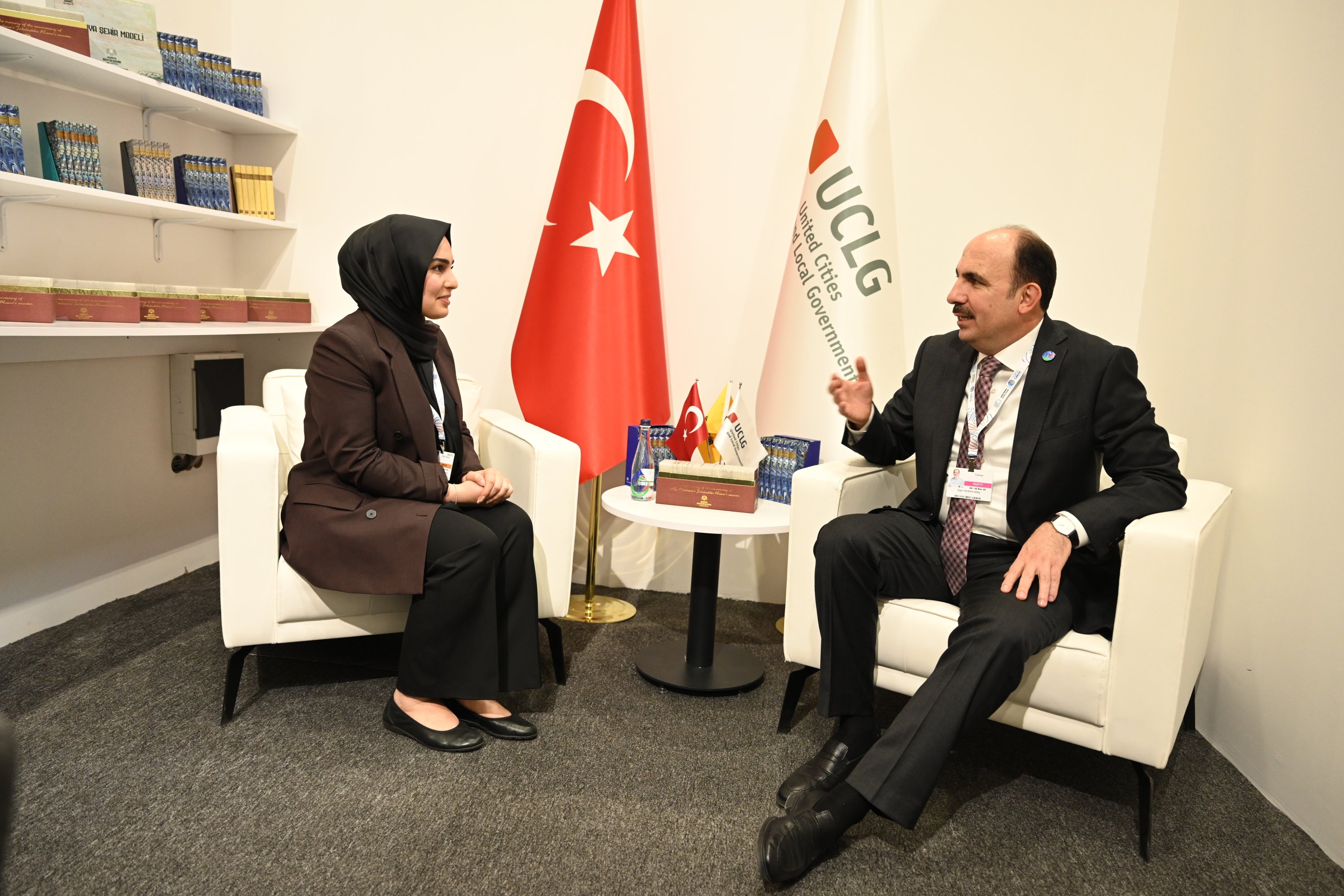
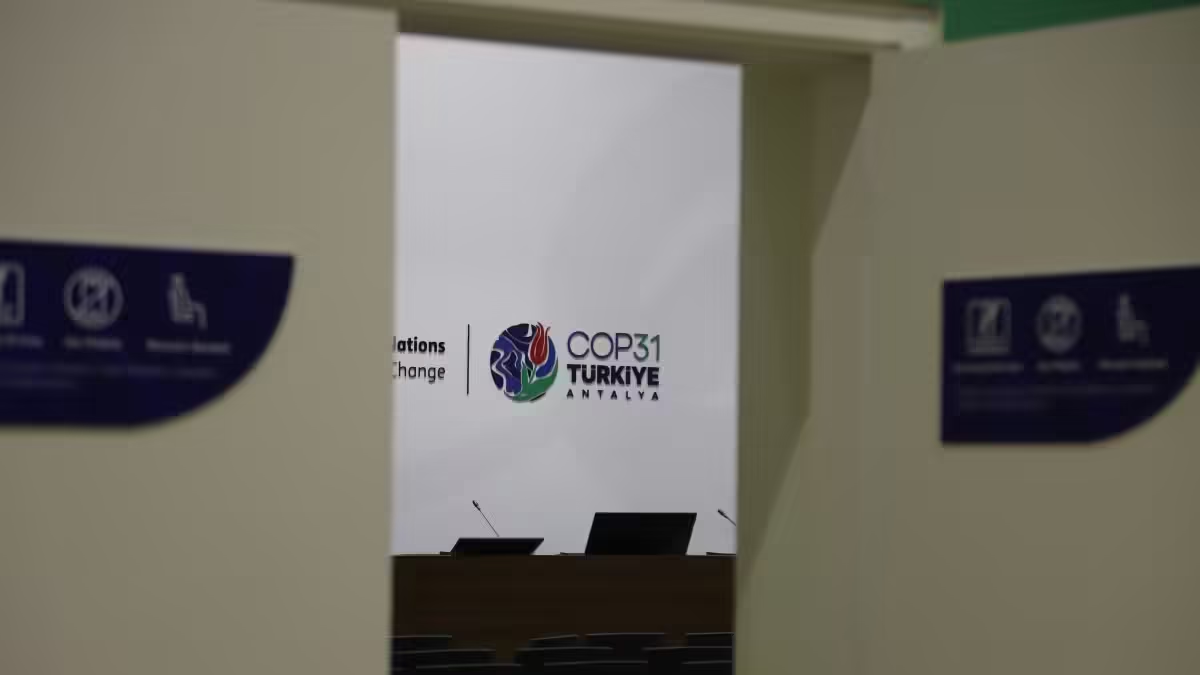
Speaking to Daily Sabah during the 31st United Nations Climate Change Conference (COP31) in Antalya, southern Türkiye, Uğur Ibrahim Altay called for a stronger role for cities in climate diplomacy, arguing that international pledges must be matched by the resources municipalities need to act. Altay is mayor of Konya Metropolitan Municipality, president of United Cities and Local Governments (UCLG) and COP31 Special Envoy for Cities and Local Governments.
“The most fundamental issue in climate diplomacy is aligning the major targets set at the negotiating table with the resources available to cities,” Altay said.
Climate finance
For Altay, the gap between international climate commitments and local realities is particularly evident in climate finance. Municipalities often have projects ready to address environmental challenges, but accessing international funding can be difficult.
“Municipalities around the world have excellent projects, but global climate funds get caught up in the walls of central bureaucracy and cannot reach the ground,” he said. “We are working to remove this bottleneck and establish new channels through which green financing can directly reach the cities developing the projects.”
Altay also called for greater cooperation between municipalities to help cities share successful approaches rather than develop solutions to the same problems independently.
“A city does not need to rediscover from scratch an infrastructure solution that another city has developed over years of trial and error,” he said. “We are bringing successful models, from disaster early warning systems to water management, together in a common network to accelerate the flow of knowledge and technology between cities.”
Konya as an example
Konya, in central Türkiye, which Altay has led since 2018, offers examples of how local action can address some of these challenges.
Facing water scarcity in the Konya Closed Basin, the municipality has introduced 12 alternative water-source projects and reduced water losses in its distribution network from 32.5% to 19.8%, recovering 21 million cubic meters of water, according to Altay.
The city has also reused 2.752 million cubic meters of treated wastewater to irrigate green spaces through its Mor Şebeke (Purple Network), a municipal wastewater reclamation and distribution system. In cooperation with the State Hydraulic Works, the municipality has also developed a wastewater recovery facility with a daily capacity of 400,000 cubic meters, with treated water used for agricultural irrigation.
Beyond water management, Konya is expanding its renewable energy capacity. Its municipal solar and hydropower installations have a combined installed capacity of 36 megawatts. A separate 70-megawatt solar power plant in Karatay’s Saraçoğlu area, financed by the World Bank, is also part of the city’s efforts to expand clean energy production.
Altay said the projects are moving the city toward annual clean energy production of 272 million kilowatt-hours.
The municipality is also pursuing water-efficient agricultural practices, supporting alternative crops that require less water and working on the ecological restoration of Meke Lake. Its sustainability initiatives extend to urban development, including plans for a city library with zero-waste infrastructure.
Measuring COP31’s success
For Altay, the challenge extends well beyond Konya. Cities facing drought in Africa or flood risks in Asia need access to the financing and technology required to protect their residents.
He pointed to Türkiye’s Climate Implementation Bridge (BRIDGE) initiative as a way to connect international resources and technology with concrete projects in cities most affected by climate change.
“If a drought-stricken African city or a flood-prone Asian metropolis can access the funding it needs for water and infrastructure investments more quickly after this summit, COP31 will have succeeded,” Altay said.
“If the resources and technology of developed countries can be translated into concrete projects on the ground in cities most affected by the climate crisis through the Climate Implementation Bridge established under Türkiye’s leadership, then we can speak of a real result,” he added.
“We cannot measure the success of COP31 by the length of the final declaration published at the end of the summit or the size of the promises made,” Altay said.
“For us, there is only one real measure, which is how the commitment emerging from Antalya translates into results on the streets of cities around the world before COP32, which will be held next year in Ethiopia,” he added.
Altay also pointed to the establishment of the Local Governments Council as a step toward giving cities a stronger voice in international climate negotiations. The UCLG aims to help make the council a lasting part of the U.N. climate conference process, ensuring that local authorities remain represented in future climate discussions.

Source: www.dailysabah.com