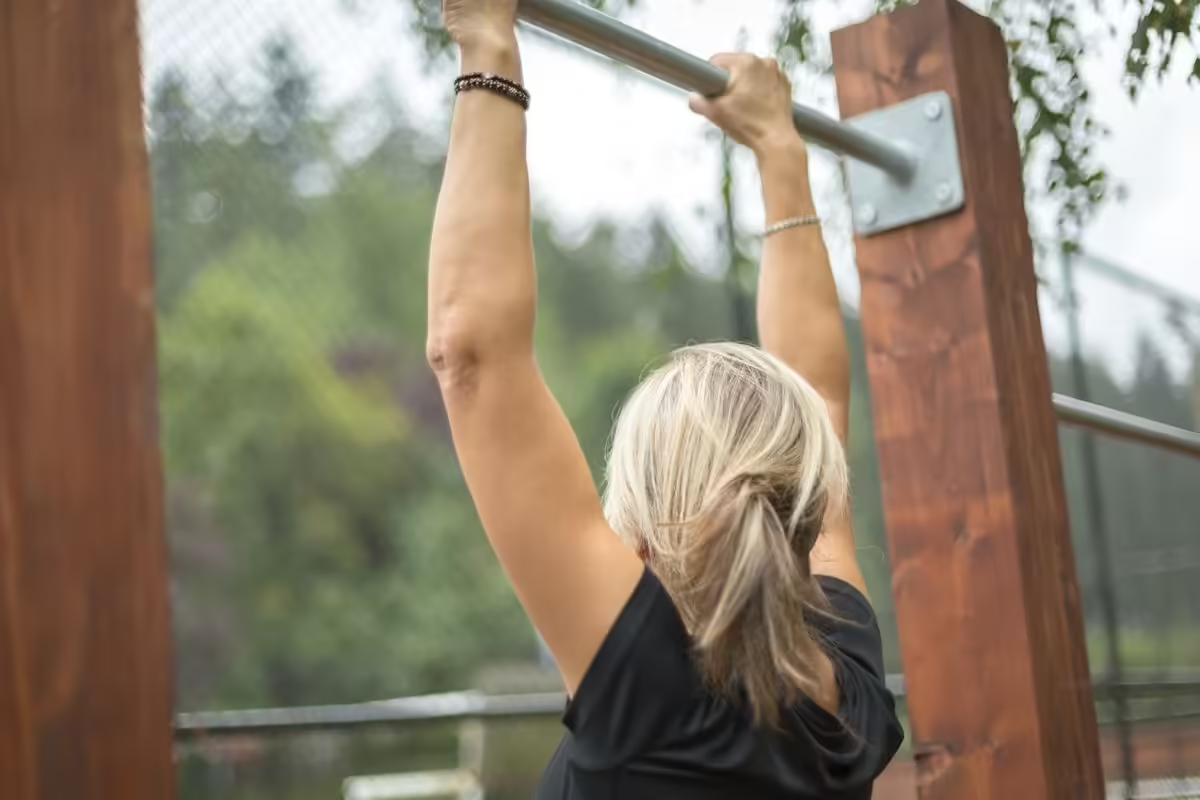

Think about how often you rely on your grip throughout the day.
Twisting open a jar, carrying grocery bags, or lugging a suitcase up a flight of stairs all require a certain amount of muscle strength. But your grip may tell us more than how easily you can handle everyday tasks.
Researchers often use it as a simple way to get a sense of someone’s overall muscle health, and research suggests it could also offer clues about blood clot risk.
About the study
In a study of nearly 482,000 people, researchers examined whether muscle strength was related to blood clot risk and survival.
Advertisement
Advertisement
They analyzed UK Biobank data from two groups of participants: 481,945 people with no history of blood clots and 14,908 people who already had a history of them.
To measure muscle strength, researchers tested participants’ grip strength and compared it with their body weight. They then divided participants into three groups based on their age and sex: low, middle, and high relative strength.
Researchers tracked participants’ health for a median of 13.72 years, recording new blood clots and deaths during that time.
Stronger grips were linked to lower blood clot risk
Among participants who had never had a blood clot, 15,774 developed one during the study.
Advertisement
Advertisement
When researchers compared their grip strength, a clear pattern emerged: those with stronger grips were less likely to develop a clot.
Compared with people in the lowest strength group, those in the middle group had a 12% lower risk. Those in the strongest group had a 19% lower risk.
The association also held up when researchers accounted for genetic differences that could make someone more prone to blood clots.
The researchers then looked at the participants who already had a history of blood clots. Of these 14,908 people, 2,884 died during the study. Once again, greater muscle strength was linked to better outcomes.
Advertisement
Advertisement
People in the middle strength group had a 17% lower risk of death, while those in the strongest group had a 21% lower risk compared with people in the lowest strength group.
In other words, stronger muscles were associated with both a lower chance of developing a first blood clot and a lower risk of death among people with a history of clots.
RELATED READ: This Is The Best Creatine To Gain Muscle & Lose Fat
Why grip strength can tell us more about your health
Grip strength might seem like a pretty specific measure, but it can reflect more than what’s happening in your hands.
It’s often used as a quick way to assess overall muscle strength and physical function, since how well you grip can be connected to how well you move and manage everyday activities.
Advertisement
Advertisement
There may also be a connection to circulation. People with stronger muscles tend to be more physically active, and regular movement helps keep blood flowing.
That doesn’t mean stronger muscles directly prevent clots.
This was an observational study, so researchers can’t say that improving your grip strength will lower your risk. But it is possible that grip strength reflects broader aspects of physical health that are also related to blood clot risk.
Simple ways to build stronger muscles
You don’t need to spend hours in the gym to work on your strength. A few habits can help you build and maintain muscle over time:
Make resistance training a regular habit: Bodyweight exercises, resistance bands, and weights can all help build muscle. Try to work it into your week consistently, adjusting the intensity to your fitness level.
Keep moving throughout the day: Walking, taking the stairs, and breaking up long periods of sitting all help you stay active and support healthy circulation.
Know your personal risk factors: Muscle strength is only one part of the picture. If you have risk factors for blood clots, speak with a health professional about prevention strategies that are right for you.
The takeaway
Your grip strength could be telling you more than whether you’ve been keeping up with your workouts.
Advertisement
Advertisement
Stronger muscles were associated with fewer blood clots and better survival among people with a history of them. Yet another reason to give those muscles some attention!
Source: health.yahoo.com