
This article was produced by National Geographic Traveller (UK).
There’s a scene in Christopher Nolan’s 2010 sci-fi film Inception when Leonardo DiCaprio’s character is presented with a conundrum — how to stage one of his trademark dream heists on a wealthy target aboard a flight, without arousing suspicion.
“We’d have to buy out the whole cabin, and the first-class flight attendant,” says one of his team, ruefully. The billionaire energy tycoon who’s financing the operation interjects. There’s no need — he’s taken the liberty of acquiring the entire airline. “It seemed… neater,” he smiles.
It’s a flamboyant flex that would surely resonate with the deep-pocketed individuals powering one of the fastest-growing trends in luxury travel right now — exclusive access.
Entire islands or wildlife conservancies all to oneself; buyouts of yachts, trains or country-house hotels; invitation-only dining; after-hours access to the world’s most sought-after museums, galleries and other cultural attractions. The types of experiences may be endlessly varied, but all share one crucial feature — a ruthless filleting of the ‘riffraff’ and thus an illusion, if only temporarily, of ownership.
Such opportunities don’t come cheap, of course. But, if that’s something you’re likely to lose sleep over, this really isn’t the world for you. Emily Rutter, head of product at ITC, a collection of brands specialising in luxury travel, says that such experiences can easily reach six figures, before you even get to the cost of getting to whichever coveted corner of the globe your curated experience is being staged. This hasn’t stopped demand surging.
The Waldorf Astoria Maldives’ private island sleeps up to 24 guests in beach and overwater villas. Nurettin Sarialioglu, Getty Images
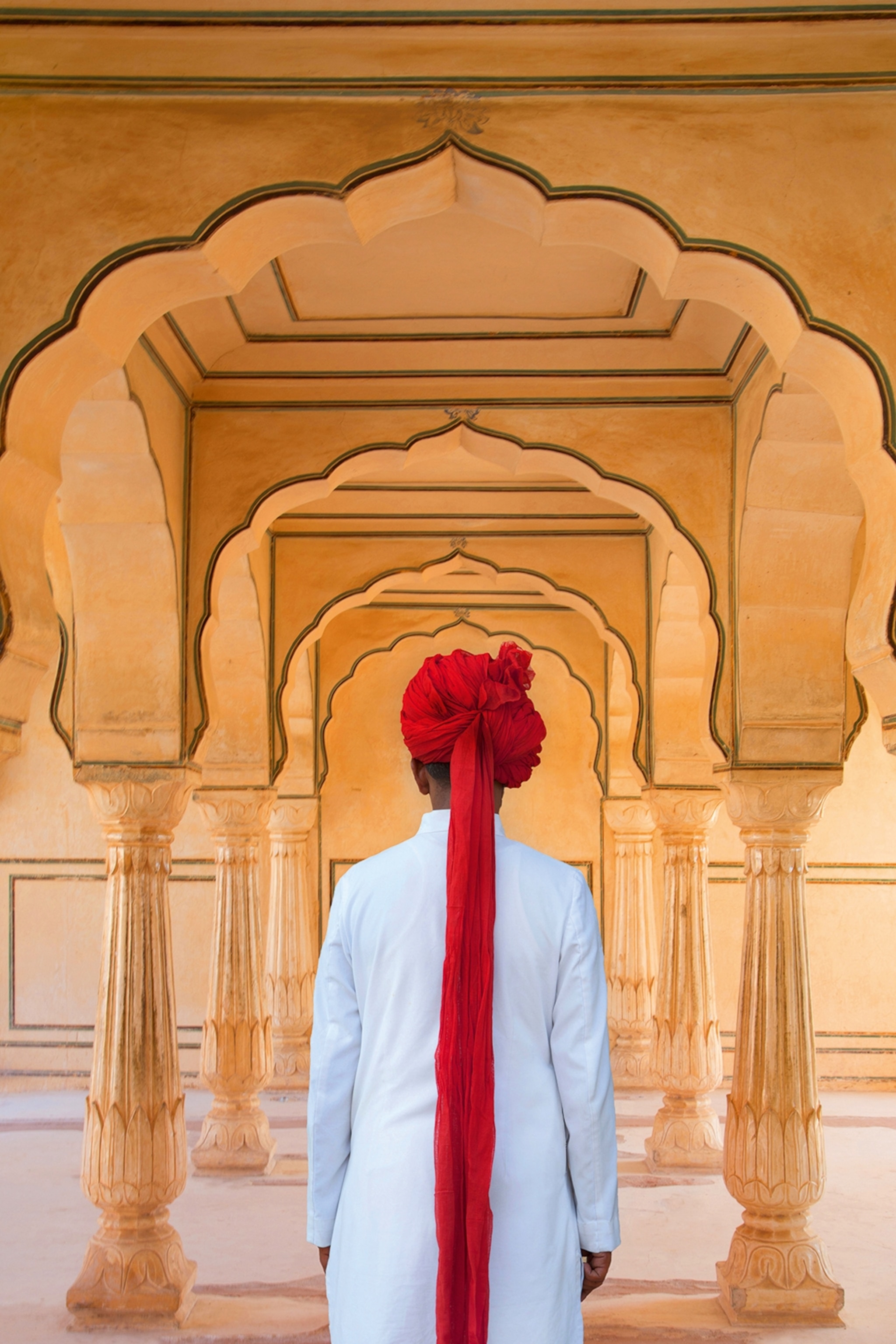
Forts and palaces in Jaipur can be booked out for private tours. Grant Faint, Getty Images
Rutter gives the example of Ithaafushi, an exclusive-use island available through ITC’s client, the Waldorf Astoria Maldives. It can accommodate a group of no more than 24 people, all bedding down in beach and overwater villas and pampered by a small army of private chefs, masseuses and butlers. Interest is unprecedentedly high.
Another is the Maltese Falconthe private superyacht charter offered by Dubai-owned luxury hospitality giant Jumeirah. The 88-metre-long clipper, with its distinctive freestanding carbon-fibre masts, takes the brand’s pioneering seven-star-plus luxury afloat. There’s a rotating circular sunlounger for following the rays, an outdoor cinema and every conceivable watersport at your fingertips. With just a dozen guests covered under a single booking, getting caught in the queue to the buffet isn’t something you need to worry about.
The same logic is reshaping the safari market, where whole-property buyouts of camps and villas have become one of the clearest expressions of exclusive access anywhere in travel. On Kenya’s Borana Conservancy in Laikipia, sole-use houses such as the five-bedroom Arijiju and the solar-powered Lengishu come with a private chef, guide and vehicle, and with a stake in the rhino conservation the conservancy is known for. In the Maasai Mara, Cottar’s Bush Villa can be taken over entirely, its guests free to drive at night and walk in country that the national reserve keeps off limits.
It’s a model that suits the way high-net-worth individuals increasingly travel — in multi-generational groups, with several families pooling a single booking. It’s also one the conservancies themselves have encouraged: a handful of guests paying premium rates puts less pressure on the land, while generating more money for the community leases that underpin the Mara conservancies, than a whole lodge full of guests.
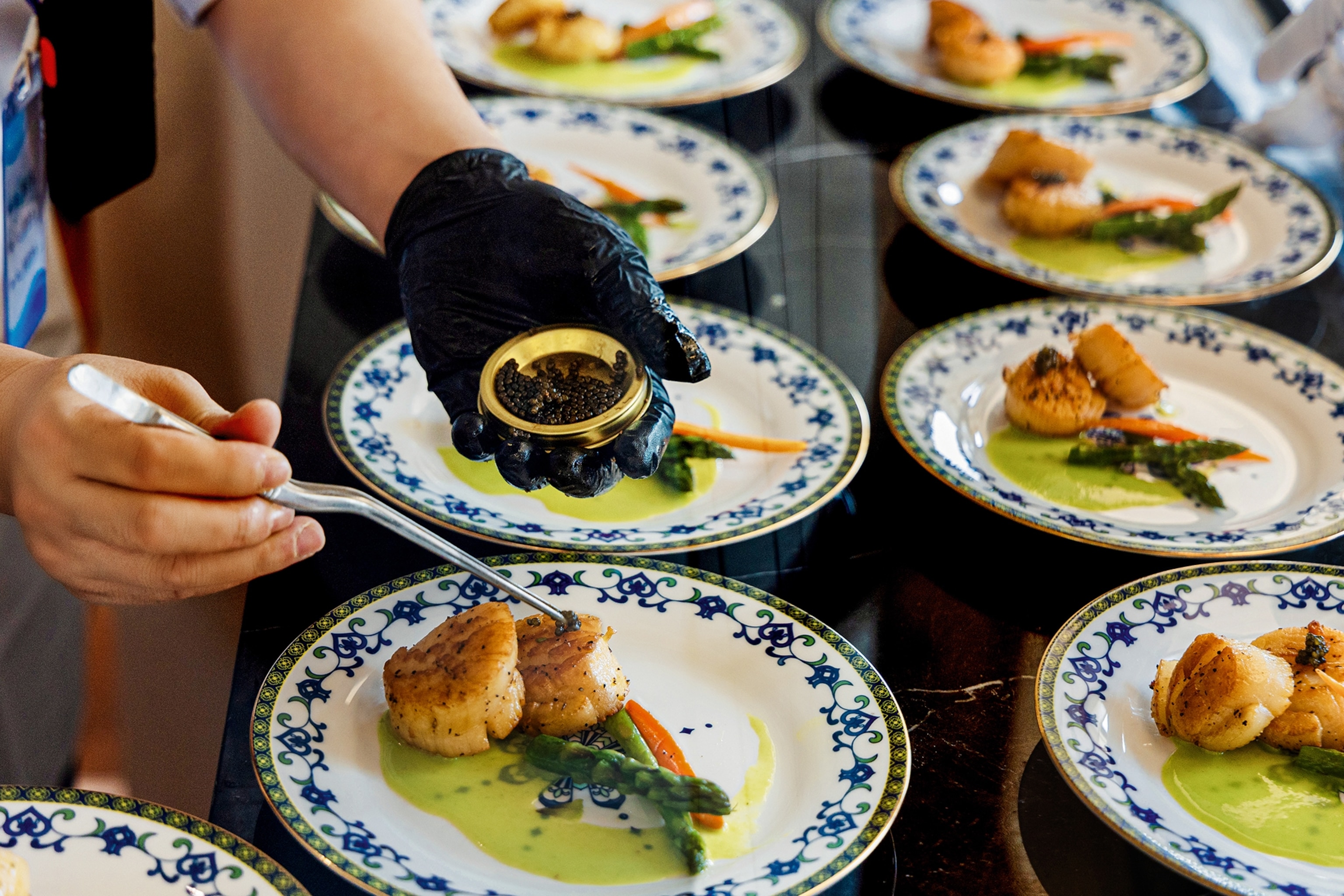
Private chefs serve refined dishes such as hand-dived scallops with caviar. Golden Eagle Luxury Trains
Private Realm
While this might all sound especially Instagrammable, in our age of oversharing, exclusive access is often defined by privacy rather than ostentation, says Rutter. For those in the know, entire worlds of experiences remain almost entirely under the radar.
“This isn’t about Googling ‘luxury holiday’ and finding what you want,” she says. “For a lot of these experiences, most people won’t even know they exist as options, they’re just so financially untouchable. So it’s definitely not about the show.”
Former investment banker Kathy Boate is CEO of Cartology, a luxury travel advisory specialising in bespoke, highly personalised itineraries. She says the types of exclusive-access experiences the company sets up are as varied as clients’ areas of interest — artists’ workshops, wineries, country mansions, ornamental gardens, perhaps a candlelit after-hours tour of the Amber Fort in Jaipur.
Again, with the right contacts — and a tolerance, among customers, for handing over Monopoly-money fees — exclusive-access opportunities that aren’t even on the travel map suddenly manifest themselves. She gives the example of a tiny boutique hotel in the Dolomites dating from the 11th century whose owners have been known to treat guests to a fine-dining evening in a mountain hut that the family has owned for centuries.
“The setting and food are magnificent, bottles of champagne are sabraged,” she says. “I’ve had very well-travelled people saying ‘this beats anything that I’ve done before’. You can’t just book that sort of experience — you have to have the relationships.”
Private rail charter is another area of the exclusive-access market that’s fast picking up steam. Why bother trying to secure the best seats in the best carriage when you can simply take temporary ownership of the entire train? Belmond, Golden Eagle Luxury Trains and Northern Belle are all luxury rail operators that can cater for such requests, providing end-to-end charter programmes incorporating some of the world’s most magnificent routes.
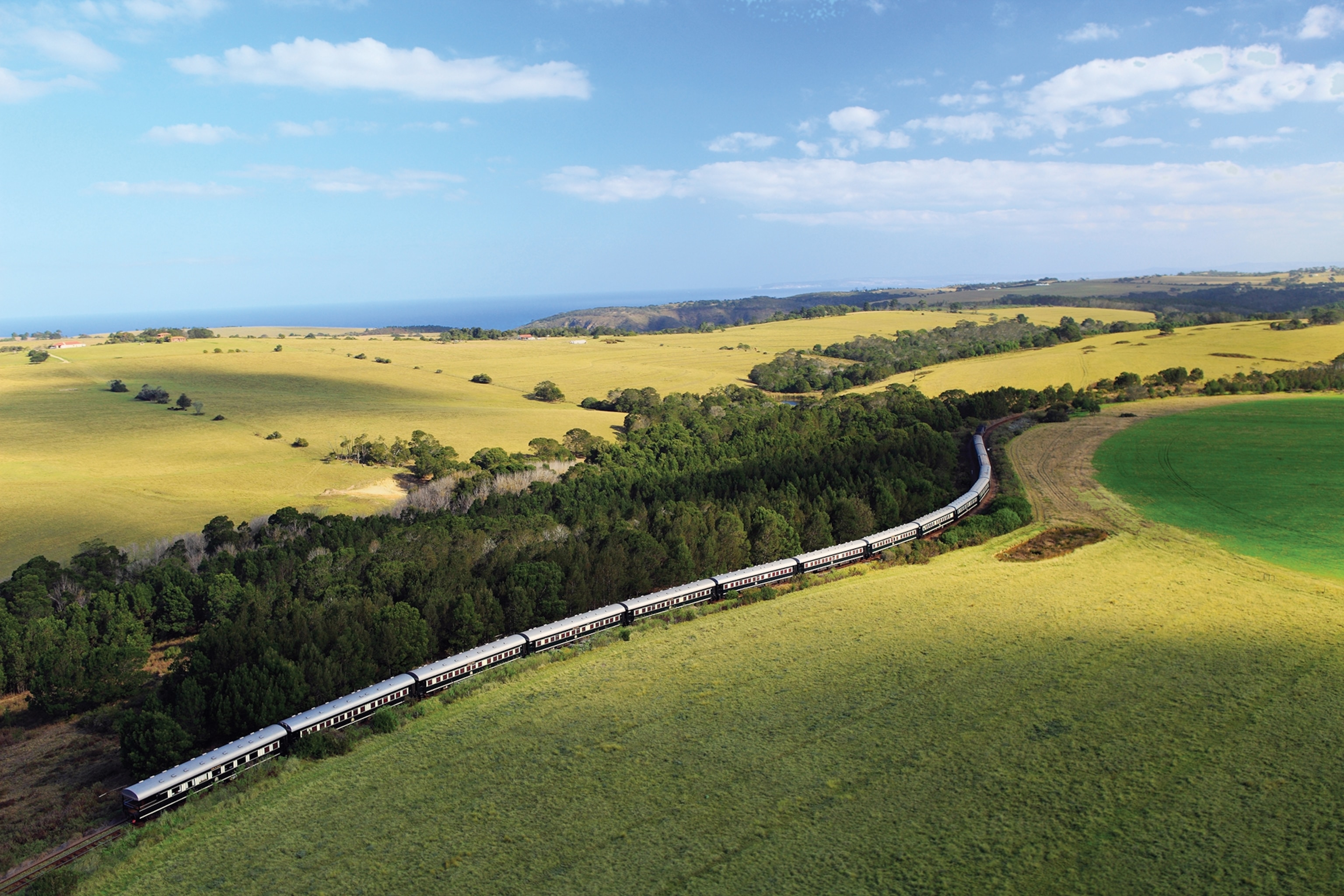
Rovos Rail can be chartered for journeys through southern Africa. Rovos Rail Tours
Querida Nel oversees private charters for Rovos Rail, a luxury train specialist operating throughout southern Africa. She’s witnessed a steep rise in demand for train buyouts — and the sort of figures involved would stop you in your tracks. She gives an example of a group chartering an all-suite train for a journey from Victoria Falls to Cape Town last year. The cost was north of £500,000.
For such clients, Rovos can tailor the make-up of the train, adapting dining cars to the size of the group or converting carriages to spa suites for on-board pampering as the wildlife-rich plains of southern Africa glide past. Fine dining, excursions, round-the-clock service — all are included in this Succession-calibre escape.
“We never used to have these small numbers privately chartering trains because, obviously, it’s very expensive to do it that way,” says Nel. What does she think is behind the switch? “I think it’s about connection. It’s the luxury of spending quality time with loved ones and having absolutely nothing distract from that.”
Geordie Mackay-Lewis agrees. The former British Army captain co-founded Pelorus in 2017 to cater to the then still-largely-embryonic sector of exclusive-access travel. Today, the company finds itself at the vanguard, with a proven expertise, in its own words, in ‘crafting journeys without limits or templates’.
That might include Christmas under the Northern Lights aboard the futuristic, 70-metre-long, solar-powered sailing yacht Captain Arctic — £576,000 for a group of 30, if you’re interested. Or the takeover of a remote Scottish castle for a staging of a private version of hit BBC show The Traitors (from £115,000 for three nights).
“It’s about creating ‘wow’ moments, and the feelings and emotions that come with that,” says Mackay-Lewis. Increasingly, he’s noticing an undercurrent of adventurousness to exclusive-access experiences. “I think what people are realising is that it can be achieved in these really remote environments that once were the preserve of scientists or hardcore adventurers.”
Mackay-Lewis gives the example of a lunch Pelorus set up on an ice floe north of Svalbard, near the North Pole, for a family on an exclusive yacht experience. “At that moment, they were the most northerly people in the world and they’re doing something that very few people will ever get the chance to do, by themselves. That generates a unique type of emotion,” he says.
Recession Proof
While economic headwinds have defined 2026 for many people, the high-net-worth individuals powering the exclusive-access boom have a scale of wealth that shields them from such considerations. The newly enriched and those benefiting from inherited wealth tend to spend their money differently from their caution-first, investment-focused predecessors, says Mackay-Lewis — with experiential travel high on their bucket lists.
It’s keeping specialist operators such as Pelorus afloat, but that’s not to say such companies have it easy. With every new exclusive ‘wow’ moment or itinerary conceived, client expectations grow that little bit higher. It’s an exclusive-access arms race, with a considerable financial incentive for those who can establish and differentiate themselves.
“We have to work harder and harder, and constantly reassert that ‘this is the reason you’re booking with us’,” says Rutter. Extreme personalisation, with bespoke experiences crafted from a deep familiarity with clients’ needs and tastes, is one method of doing so. Endless innovation in terms of the types of experiences that can be curated, often in close collaboration with suppliers such as Jumeirah, Waldorf Astoria and others, is another.
“Sometimes, it’s about being a bit cheeky with such suppliers — us asking ‘what else can you throw in that is really going to help sell this to the clients?’,” says Rutter.
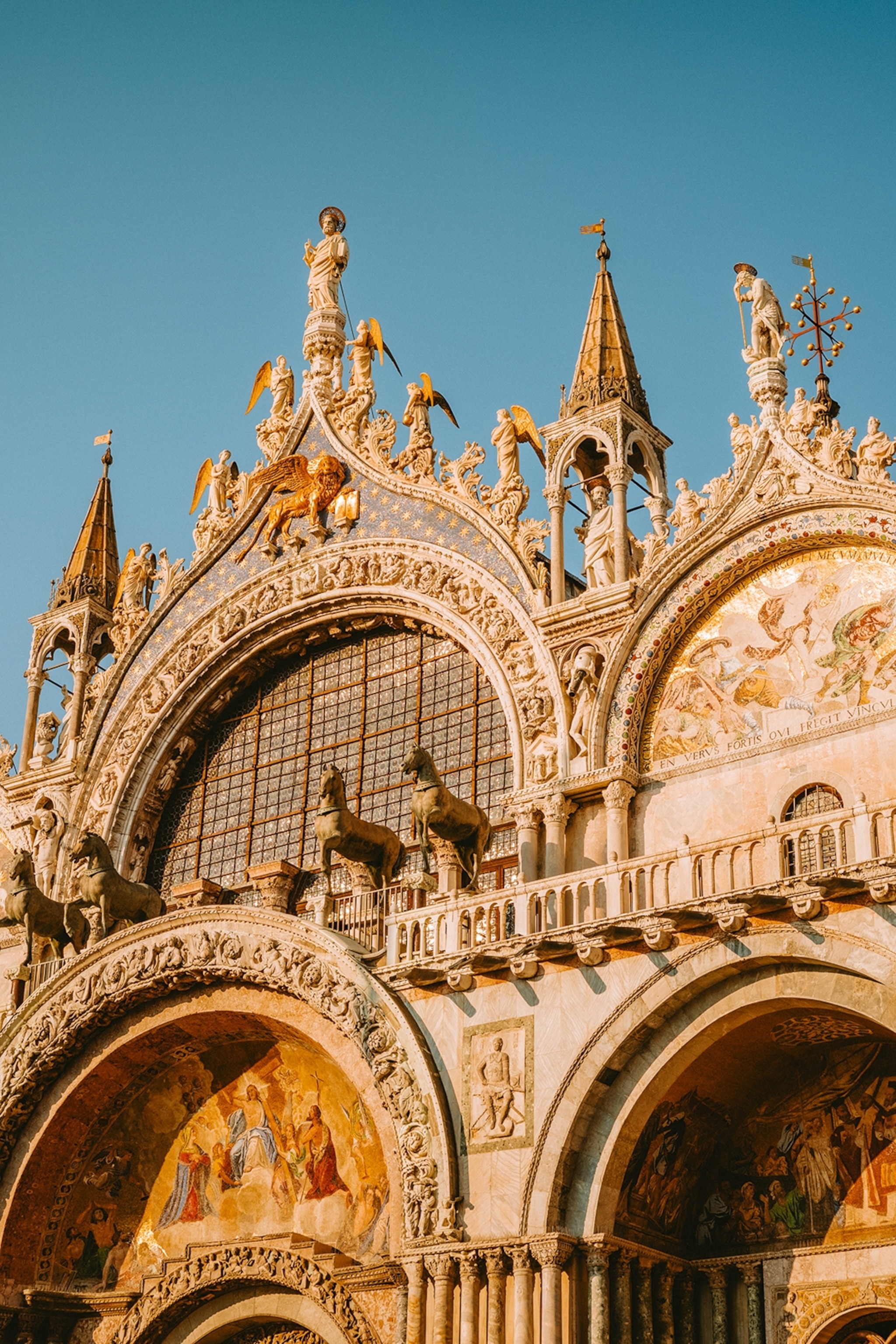
Architecturally, St Mark’s Basilica in Venice blends Byzantine, Romanesque and gothic influences. Gary Yeowell, Getty Images
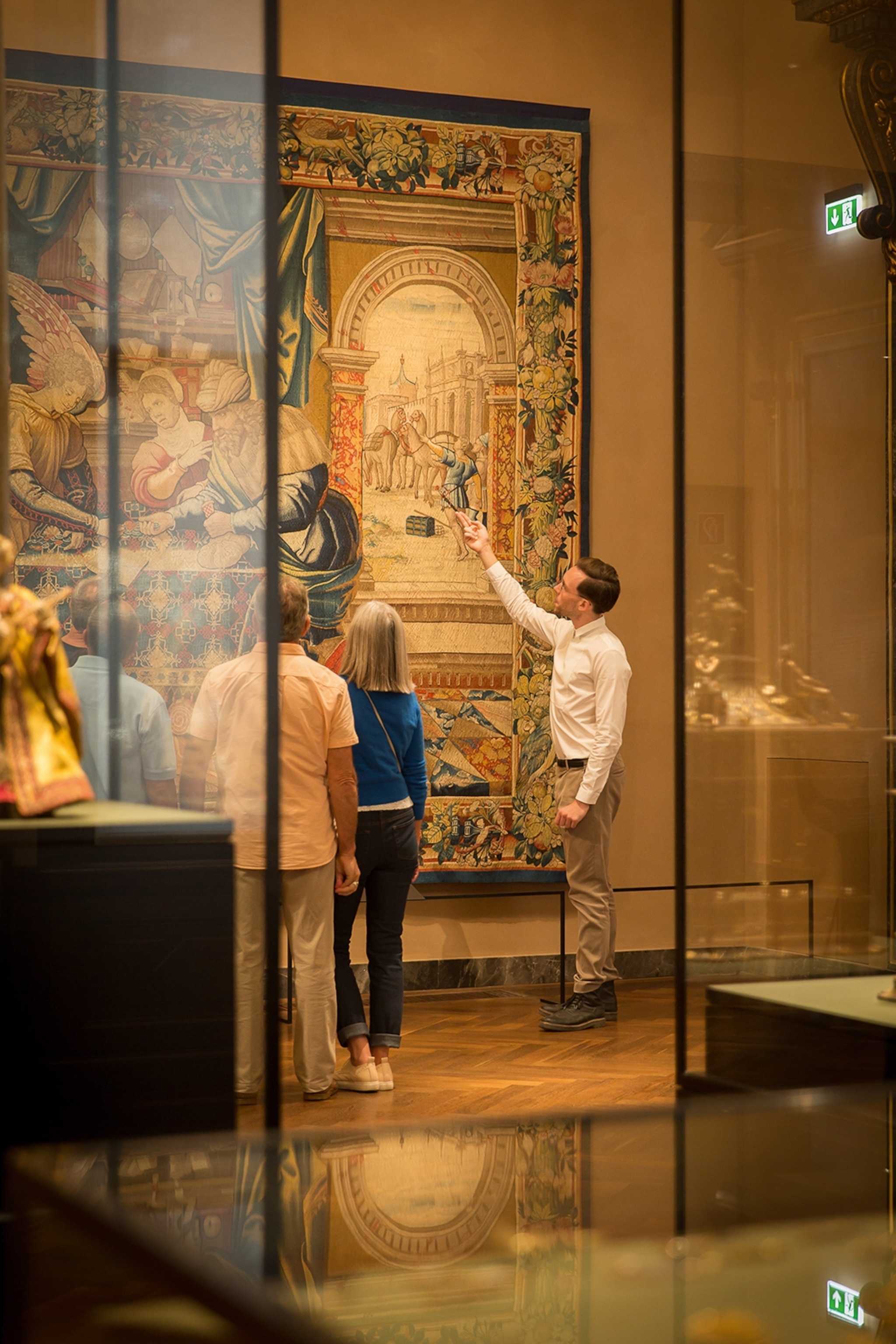
Vienna’s Kunsthistorisches Museum was built to house the Habsburgs’ vast imperial art collections. Uniworld
The Art of Access
Luxury travel is not always about searching out the farthest-flung corners of the globe, but rather seeing familiar places in a different, more private way. “There’s been a sharp uptick among passengers wanting to see and do things that other tourists don’t,” says Chris Townson, managing director of Uniworld, a company that specialises in luxury river cruises. Its itineraries take in some of the world’s most compelling cities, with boutique, supremely comfortable trips that avoid overt lavishness.
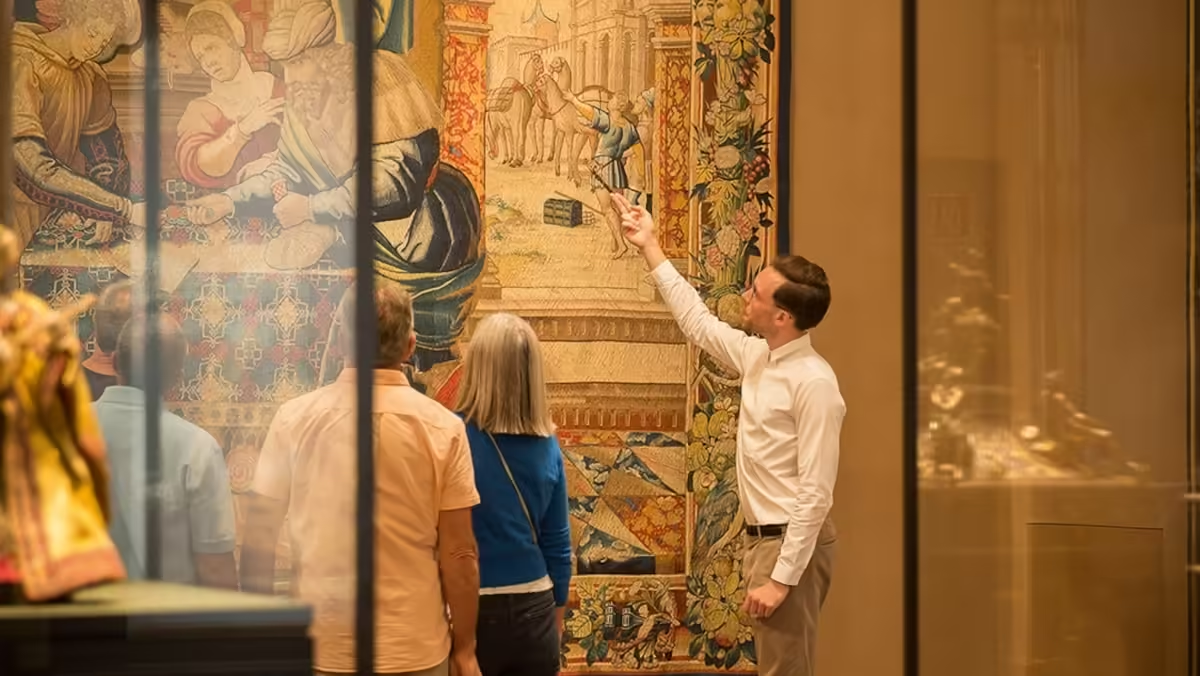
For example, guests might enjoy private access to St Mark’s Basilica or the Doge’s Palace in Venice; exclusive entry to Vienna’s Kunsthistorisches Museum, where they can mingle with works by Rembrandt, Titian and Vermeer alongside an art historian; or a private drinks reception at the Austrian capital’s Belvedere Palace, to name a few.
“Since the pandemic, we’ve seen a growing trend for prioritising experiences over possessions,” says Townson. “In a world increasingly dominated by AI and social media, guests are seeking more distinctive and personalised experiences that
feel authentic and special — and they’ll pay a premium for them.”
With reports suggesting that the global luxury travel market is set to nearly double by 2033 to more than £2.2 trillion, and overtourism becoming an ever-greater scourge on global hotspots, exclusive access is set to become an increasingly desired and prized commodity.
Kathy Boate (CEO of Cartology) is convinced that we’re at the start of this journey rather than the end. And while the choice of experiences grows ever more sophisticated, the underlying motivation is anything but.
“It’s a blunt way of putting it, but this is about the privacy and freedom not to have your trip influenced or compromised by ‘randoms’,” she says. “Exclusivity comes with a considerable cost but it’s a cost that many are considering worth it.”
To subscribe to National Geographic Traveller (UK) magazine click here (available in select countries only).
Source: www.nationalgeographic.com