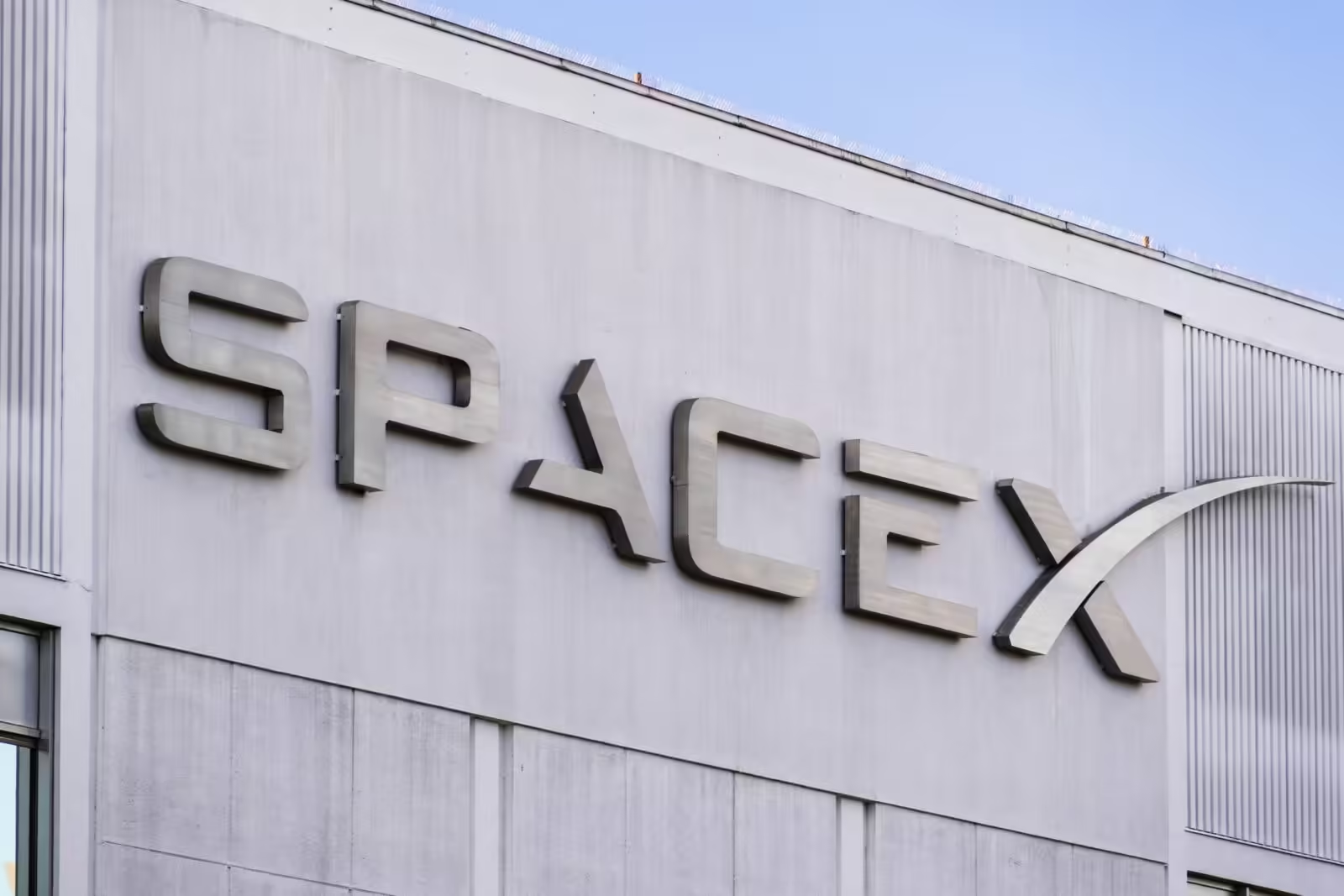

SpaceX’s US defence work and Tesla’s Shanghai plant are hard to house under one roof, but Shanghai builds over half of Tesla’s cars. By Stewart Burnett
SpaceX and Tesla are making progress in merger talks and could announce a deal as soon as December, according to Bloomberg, though an announcement may still slip into early 2027. The central obstacle is not price but geography: combining a US defence contractor with an automaker that builds more than half of its cars in Shanghai creates a conflict that neither regulators nor shareholders can realistically overlook.
The companies’ boards and advisers are now negotiating terms and the governance of a combined group, including how many SpaceX shares Tesla investors would receive, which means it is almost certain that SpaceX will absorb Tesla, not the reverse. With SpaceX valued at more than US$1.9tr following its June listing and Tesla at around US$1.5tr, the transaction would dwarf the previous record, Vodafone’s US$183bn takeover of Mannesmann in 2000. Chief Executive Elon Musk confirmed in October that both boards had formed special committees of independent directors to consider a combination, calling it “a good idea”.
National security sensitivities around SpaceX’s US government and defence contracts and Tesla’s “large, profitable China manufacturing footprint” are “key dynamics that are at odds with each other”, JPMorgan analyst Rajat Gupta told clients in October. Ring-fencing Tesla’s China operations is among the main issues under discussion, according to Bloomberg’s sources. Giga Shanghai is Tesla’s most productive factory and shipped 67,829 vehicles in October alone.
Reports that Giga Shanghai, alongside Tesla’s entire China operation, might be ring-fenced have been circulating for months. Indeed, the Wall Street Journal reported in July that Tesla was weighing a sale or spin-off of its China business, which Musk denied.
Separating Shanghai would carry real operational costs for Tesla’s electric vehicle business. The plant serves export markets across Asia and Europe as well as China, having supplied more than 170,000 vehicles to South Korea alone since 2023, so walling it off would effectively split Tesla’s production into a US-compliant network and a Chinese one. Mercedes-Benz, like many global automakers, is now pursuing a comparable supply chain separation under its “100% China for China” strategy, but for commercial reasons; Tesla would be doing so to satisfy US security reviewers, with the costs of duplicated supply chains falling on its automotive operations.
Democrats, who took control of Congress in the midterms, have pledged to scrutinise Musk’s business and political dealings, and Bloomberg has reported that the companies aim to close before President Trump leaves office. A December announcement would also land before the new Congress sits in January, when a Democratic-led House Select Committee on China, which has already investigated Ford’s licensing deal with CATL, would be well placed to examine a defence contractor that owns a major Chinese factory.
Governance is likely to be a recurring issue: Musk owns about 20% of Tesla but controls roughly 85% of SpaceX’s voting power through super-voting shares, so Tesla shareholders would move from a one-share-one-vote company into one where his control is effectively locked in. Tesla’s annual meeting on 3 December is limited to re-electing Musk, Chair Robyn Denholm and JB Straubel to terms running to 2029, alongside routine votes, while director Ira Ehrenpreis, who chairs Tesla’s compensation and governance committees, has also sat on SpaceX’s board since February.
A Democratic Congress can investigate the merger but has few tools to block it, because the approvals that matter sit with executive agencies under Trump’s control. That is why the timetable is built around his term rather than the midterms, and why the coming two years of oversight are more likely to shape how the combined group operates in China than whether the deal goes ahead.
Source: www.automotiveworld.com