
Building a successful business is one challenge. Building one that can survive changing markets, evolving technology and the absence of its founder is another. The same applies to leadership: past achievements may establish credibility, but continued relevance depends on the willingness to keep learning, adapting and making sound decisions.
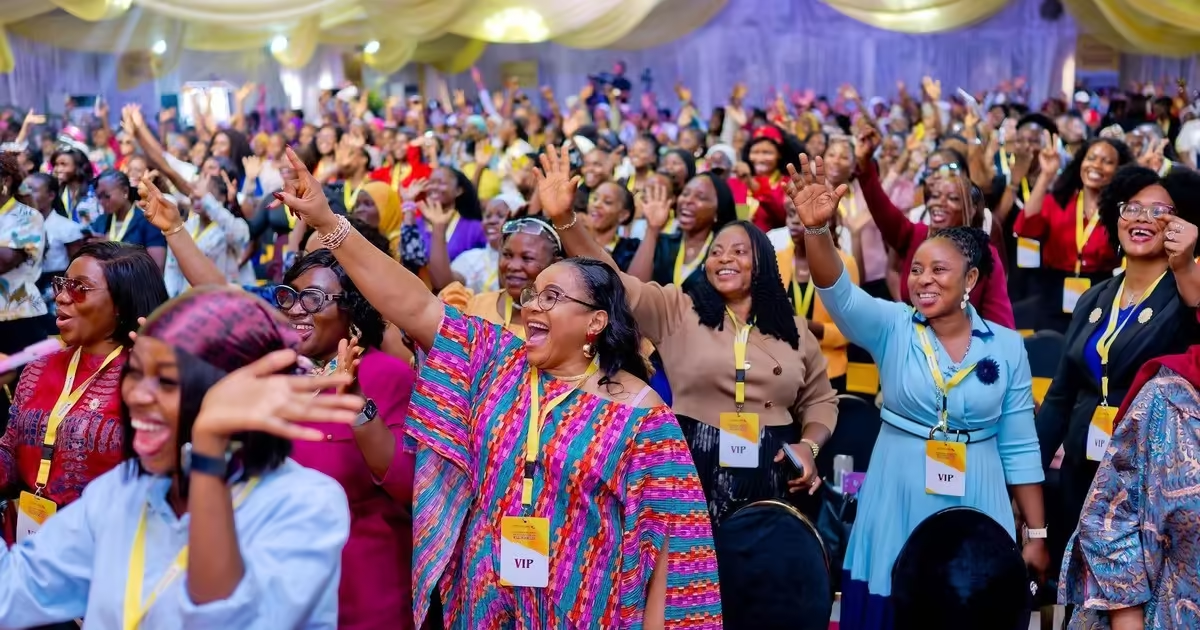
These questions shaped THE SHIFT 2026, the eighth annual conference of 360 Woman Africa, held in Lagos on October 31 to mark the organisation’s tenth anniversary. Under the theme, “THE SHIFT: Designing Women’s Relevance in an AI-Intelligent World,” the gathering brought together women in business, professionals and industry leaders to consider the demands of leadership and enterprise in a changing economy.
For Mrs. Ibukun Awosika, former Chairman of First Bank of Nigeria and Founder of The Chair Centre Group, relevance is not something leaders achieve once and retain indefinitely. It requires continuous renewal, personal discipline and the humility to remain teachable.
“Relevance is not an event; it is a habit you renew,” she said during her keynote address, “Relevance is Built, Not Given: Lessons in Leading Through Every Shift.” She cautioned against allowing inconsistency to undermine professional value and reminded participants that pride can prevent leaders from learning and eventually make their knowledge obsolete.
Her message was particularly relevant in an environment where business expectations and the capabilities required to meet them continue to change. Experience remains valuable, but leaders must be willing to question what they know, respond to criticism and develop new capabilities.
The importance of sound judgement also emerged in discussions about artificial intelligence. Dr. Olubayo Adekanmbi, Founder and CEO of Data Science Nigeria and Co-Founder and CEO of EqualyzAI, offered a distinction that speaks to the limits of technology in business decision-making: “AI predicts what is likely; you decide what is right.”
While AI can identify patterns and predict possibilities, he noted that it does not independently understand the context, values and human considerations that inform responsible decisions. As businesses incorporate AI into their operations, the responsibility for interpreting its outputs and deciding how to act remains with people.
But leadership is not only about making good decisions in the present. It is also about building organisations that can continue to perform in the future.
Mrs. Tara Fela-Durotoye, Founder of House of Tara International, addressed this challenge through the lens of business continuity and personal development. She urged entrepreneurs to build beyond their individual capacity, emphasising that a business should not depend entirely on the presence of its founder.
“If your business stops functioning in your absence, then you haven’t built a system that can outlive you,” she said. She also reminded participants that developing others should not come at the expense of their own growth: “As you build others, never stop building yourself. Your growth shapes your leadership.”
Together, these perspectives presented a broader view of what it means to build an enduring enterprise. Growth requires more than commercial success. It demands capable people, effective systems, continuous learning and leaders who understand that their organisations must eventually become bigger than their individual contributions.
The conference’s two panel sessions extended these conversations to women’s participation in the AI economy, as well as the relationship between leadership, wealth and influence. The discussions examined how women can strengthen their position in a changing business environment and contribute to the ideas, enterprises and structures shaping its future.
For Dr. Yvonne Chioma Ofodile, Founder and Convener of 360 Woman Africa, the decision to focus this year’s conference on AI reflected the need to prepare women for the realities of the present and the possibilities ahead. She explained that the intention was to make conversations about technology more accessible, helping women understand what AI can do and how to deploy it in their businesses, careers and everyday lives. The focus, therefore, was not simply on introducing women to new technology, but on helping them recognise its practical relevance to their ambitions.
The relationship between leadership access and business opportunity also came into focus during a session with Prince Nnamdi Ekeh, Group CEO of Konga Group. When a woman asked a question about her corporate social responsibility initiative, Ekeh offered to become her first investor. The unexpected offer illustrated how access to experienced business leaders can create opportunities that extend beyond knowledge-sharing.
These are not simply lessons for navigating the next technological shift. They are foundations for building businesses and leadership legacies that can endure.
Source: africa.businessinsider.com