
Intelbrief / Europe Besieged by Acts of Gray Zone and Hybrid Tactics from Multiple Vectors
(AP Photo/Harry Nakos)
Bottom Line Up Front
- In addition to revenue loss and inconvenience, cyberattacks can have a profound psychological impact on their intended targets, especially populations in Western countries and the governments responsible for protecting civilians and safeguarding critical infrastructure.
- The list of vulnerable targets is quite broad and can include transportation, communication, hospitals and emergency services, schools, financial systems, and critical infrastructure such as water, electricity, and energy facilities.
- The barriers to wreaking havoc in the cyber domain have continued to erode, with both state and non-state actors leveraging capabilities that have far-reaching effects.
- There is a litany of other incidents plaguing Europe that suggest gray zone warfare or hybrid tactics, including a spate of bomb threats, first against airplanes, followed the next week by threats against schools.
The French government came out this week and blamed a recent spate of cyberattacks aimed at refrigeration systems on Iranian hackers. According to Laure Beccuau, Paris’ chief prosecutor, the attacks were carried out by members of Iran’s Electronic and Cyber Center of the Islamic Revolutionary Guard Corps (IRGC). France directly accused Iran of the cyberattack that affected hundreds of refrigeration systems, which led to significant food spoilage and approximately 20 fires. In total, more than 700 supermarkets and grocery stores across France were impacted by the attack. In addition to revenue loss and inconvenience, these kinds of attacks can have a massive psychological impact on their intended targets, especially populations in Western countries and the governments responsible for protecting against cyberattacks and keeping critical infrastructure safe. Jean-Nöel Barrot, the French Foreign Minister, said the following while speaking earlier this week at a G-7 meeting in Paris: “This is the first large-scale cyberattack carried out for the purpose of sabotage on national territory, and it constitutes a major threat to the nation’s interests and the security of the French people.”
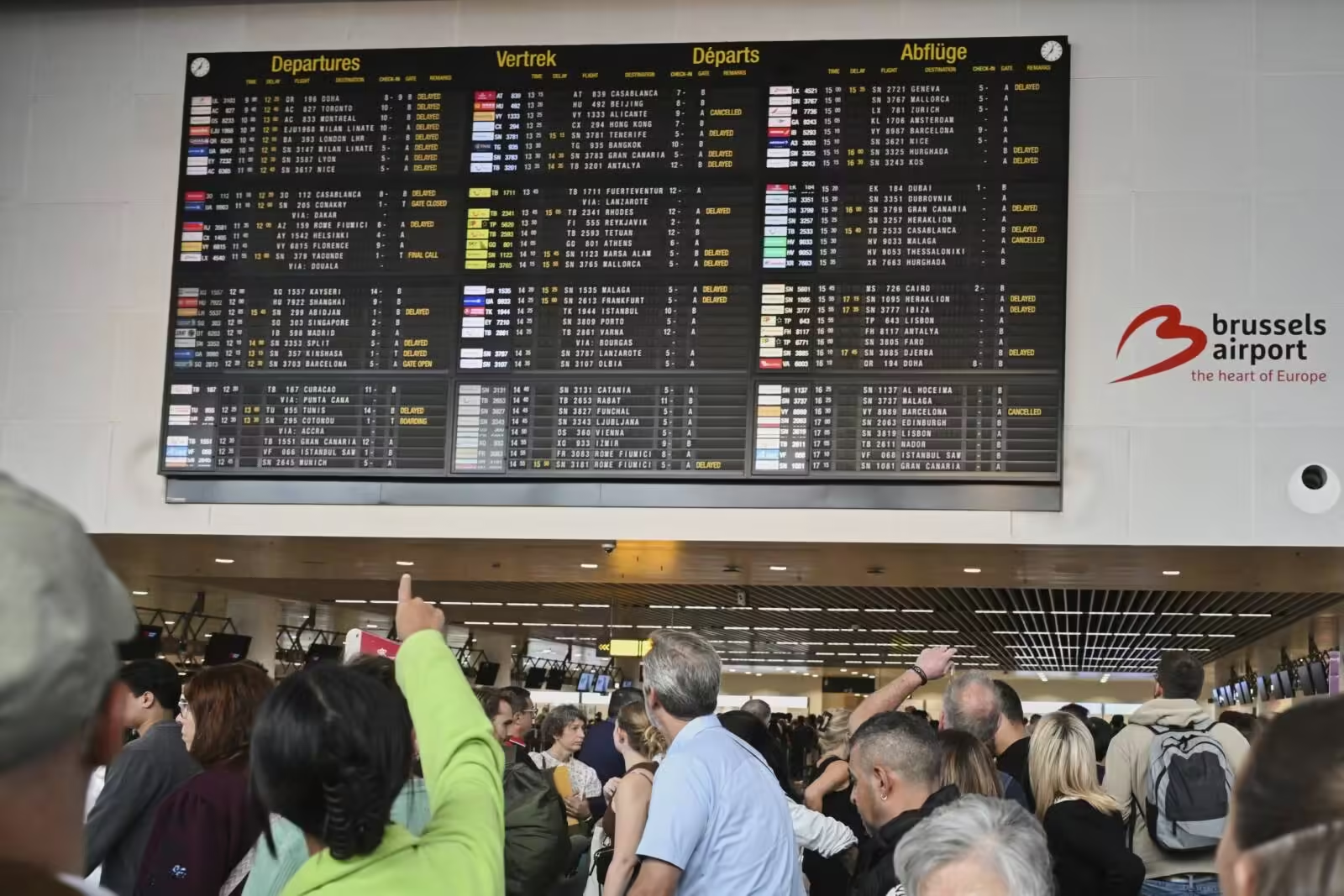
The attacks against France occurred against a backdrop of national governments warning their populations to be prepared to deal with national emergencies, some of which could result directly from cyberattacks. In the United Kingdom, residents were encouraged to take small, seemingly simple measures to prepare for an emergency, including stockpiling food, water, and medicine. The list of vulnerable targets is quite broad and can include transportation, communication, hospital and emergency services, financial systems, and critical infrastructure such as water, electricity, and energy facilities. Over the past few weeks, a series of bomb scares targeting flights across Europe has left the Continent on edge.
The barriers to wreaking havoc in the cyber domain have continued to erode, with both state and non-state actors leveraging capabilities that have far-reaching effects. North Korea was recently accused of hacking the crypto firm Binance, with criminals stealing upwards of $6 billion. North Korea uses this money to finance its missile programs, and some of this money likely makes its way into Iranian coffers as well, since Pyongyang has worked with Tehran in the area of ballistic missiles and other military technology.
There is a litany of other incidents plaguing Europe that suggest gray zone warfare or hybrid tactics, including a spate of bomb threats, first against airplanes, followed the next week by threats against schools. The threats against airplanes and flights unfolded over several weeks. As reported by the BBC, flights to and from Lisbon, Rome, Prague, and Sofia were targeted with bomb threats, causing flight cancellations and major disruptions for airlines operating across Europe and beyond. There were also threats against Irish broadcaster RTÉ, the Dublin offices of NewsTalkFM and TodayFM, and UK broadcaster Sky. Thousands of schools across Italy, Ireland, and the UK received hoax bomb threats as well, in what appears to be a coordinated campaign to disrupt daily life across Europe.
Earlier this week, it was also announced that the United States would relocate some of its airplanes from RAF Fairford in the UK. News emerged that a Kataib Hezbollah commander, Mohammad Baqer Saad Dawood al-Saadi, was coordinating terror plots from his prison cell in New York, after using coded language to pass messages to his family members, who then relayed the information to members of a terror plot in the UK. Al-Saadi is believed to be the mastermind behind Harakat Ashab al-Yamin al-Islamiya (HAYI), an Iranian-backed front organization that claimed nearly twenty terror plots in Europe this spring, relying on so-called ‘disposable agents’ to conduct attacks against Jewish targets, including synagogues.
Grayzone attacks and hybrid warfare tactics are deliberately designed to occupy the space in between peace and war, approaches which have been intensified amidst ongoing great power competition. Moscow views hybrid acts, which some have dubbed salami-slicing tactics, or the slow and incremental acts that cumulatively produce a more significant result, as effective against Western countries, including the United States and the UK. China, Russia, Iran, North Korea, and others are often galvanized to act more aggressively in the face of what these countries perceive as a tepid Western response. Since gray zone or hybrid warfare tactics are perceived as effective, countries like Russia and Iran, which are both currently bogged down in conflicts with no clear end, are dedicating more resources to building out this capability. Other countries are likely to follow suit.
One of the primary objectives of countries waging hybrid warfare campaigns is to weaken the political will of target populations to support their respective governments’ foreign policy priorities. For example, if citizens are unable to access the formal banking system, suffer from prolonged power outages, or cannot travel or send their children to school without fear, the thinking goes, those citizens are less likely to support their host-nation military in going to war. Basic needs and societal stability are more important than defending a country on the other side of the globe. Russia and China understand this and prosecute their hybrid campaigns accordingly. Of course, hybrid acts are never executed in isolation and are often complemented by more traditional military and intelligence activities, including espionage and covert action.
Source: thesoufancenter.org