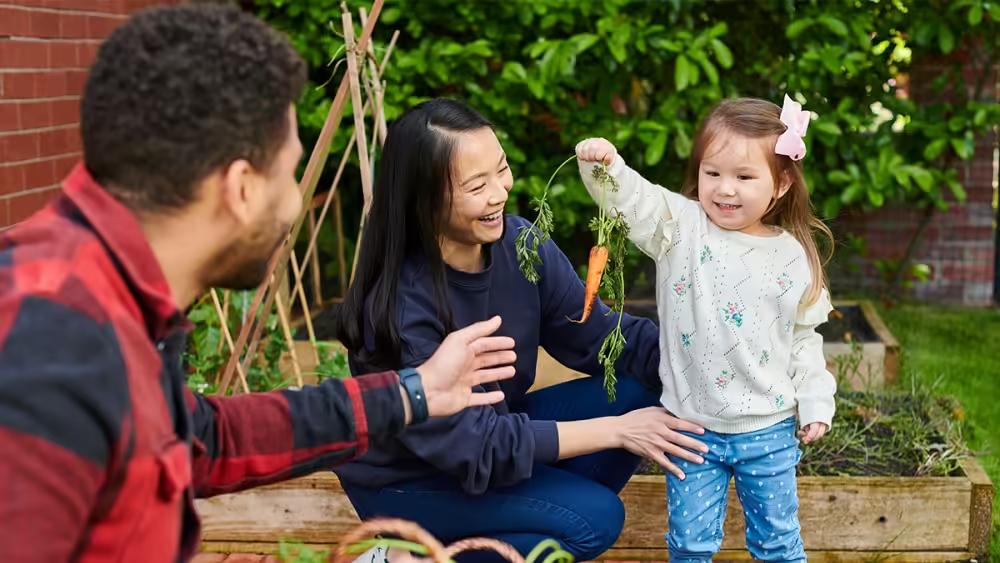

“Many Food as Medicine programs focus on increasing access to healthy foods, which is an important first step, but access alone may not be enough to support lasting changes in health behaviors,” Moore said. “Knowing how to prepare and incorporate those foods into everyday meals can make that access even more meaningful. By combining gardening, cooking, and nutrition education, we’re helping participants build practical skills and confidence to make healthy eating part of their daily lives. Since many families shop, cook and eat together, we’re also interested in whether the changes participants make can positively influence the food choices and health behaviors of their children.”
The program will be delivered through a private Facebook group, which serves as both the intervention platform and community. Social media platforms are widely used in daily life but remain underutilized for delivering evidence-based nutrition and behavior-change programs, the researchers explained.
By using a familiar platform, the researchers will provide education, skill-building and peer support in a setting that may already be a part of people’s daily lives. The approach may be particularly beneficial for people living in rural communities, where access to health promotion programs, nutrition education and affordable fresh produce can be limited.
“Most nutrition and lifestyle programs are delivered in person in clinics, classrooms or community settings,” Moore said. “We’re interested in whether social media platforms can also serve as effective learning environments. If successful, this approach could make evidence-based programs accessible to families regardless of where they live.”
Penn State Extension master gardeners and culinary nutrition experts will moderate the Facebook group, where participants will receive ongoing education over six months on growing and preparing healthy foods. Penn State Extension educators will help participants develop practical gardening and food preparation skills, offering guidance tailored to their available growing space, geographic location, and individual circumstances.
“One of the most exciting aspects of this collaboration is the opportunity to combine rigorous health research with Penn State’s land-grant mission,” Veldheer said. “By working closely with Penn State Extension, we can study not only whether Growing Healthy Hearts improves health, but also how it might eventually be delivered to families and communities across Pennsylvania and beyond.”
Additional Penn State collaborators on the grant include William Calo, associate professor of public health sciences and of family and community medicine; Jordan Kurth, assistant professor of medicine; Meg Bruening, professor and department head of nutritional sciences; and Elise Gurgevich, assistant director, food, families and communities programs at Penn State Extension.
This work is supported by the National Institutes of Health’s National Institute of Nursing Research under award number 1R01NR022295-01. This content is the sole responsibility of the authors and does not necessarily reflect the views of the funders.
Source: www.psu.edu