
|
2 min read
Every now and then, we receive letters asking why we don’t take strong positions on public issues. It’s a fair question. But the world
faces no shortage of personal opinions. What we feel is most needed is trustworthy reporting of events and the motives and ideals driving them. Getting that right has been keeping us plenty busy.
Why, then, the essay on the cover of this week’s issue? The simple answer is that, in striving to publish a newspaper that nourishes independent thinking, we are exploring new ways of doing that.
In 1999, South Africa was one of the founding nations (and the only one from Africa) of the Group of 20, a bloc of wealthy and developing countries assembled to promote global equality and joint solutions to issues such as corruption, trade barriers, and energy transformation. It is arguable that, without South Africa, this forum might not have been conceived.
Five years earlier, the country had negotiated a democratic transition as remarkable as it was improbable. Its people set aside centuries of racial violence to dismantle the most pernicious system of racial segregation in the modern world. Bitterness yielded to contrition and forgiveness. Shared values forged a new national identity beyond ethnicity. In the words of Archbishop Desmond Tutu, a “rainbow nation” was born.
South Africa’s achievement gave it unrivaled moral standing in the world. Its new leaders raised an eloquent new plea on behalf of the Global South. Pretoria gained a reputation for punching above its weight.
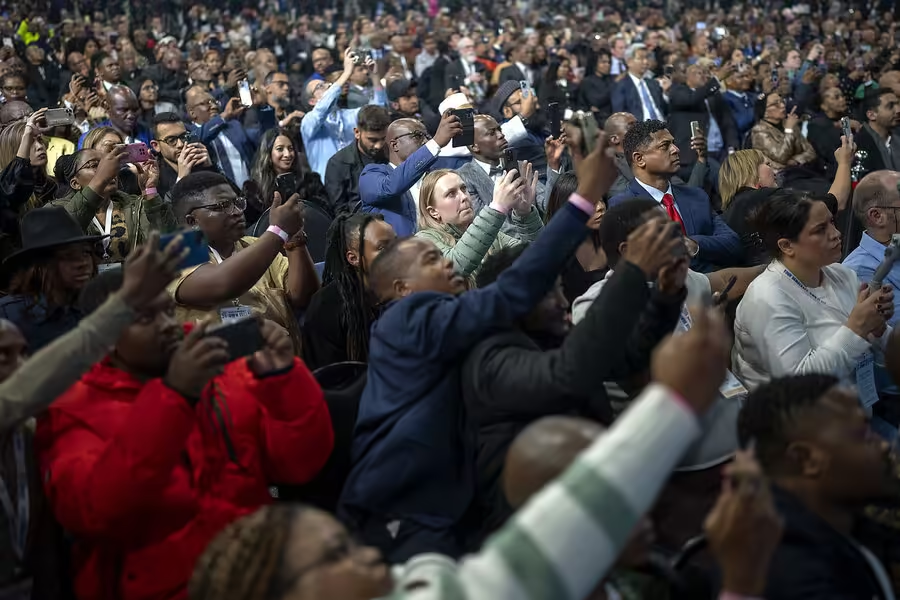
The country today poised to host the first summit of the G20 on African soil, however, is a very different story. Three decades of one-party rule left a record of incompetence and corruption that the African National Congress – the party of Nelson Mandela – reluctantly admits. The potholes run deep, and the disillusionment of those in poverty and the young runs deeper.
Deepen your worldview
with Monitor Highlights.
Politics with respect
Get political stories with respectful analysis.
There‘s a world of new ideas in every
Books newsletter.
There‘s more to life, enrich yours with
Culture & Learning weekly.
Follow humanity‘s discoveries with
Science & Nature stories in your inbox.
Gain a spiritual perspective
from the stories in your inbox.
Want to understand the deeper impact of critical events? Learn the Monitor‘s insight.
Already a subscriber? Log in to hide ads.
We turned to Terence McNamee, a longtime analyst and resident of South Africa, to help us understand how the stories that nations tell about themselves are lodestars – and, when necessary, a basis for renewal.
At their best, newspapers honor what our founder, Mary Baker Eddy, called the “inalienable rights” of each individual to self-government, reason, and conscience. We remain unflinching in our commitment to fairness in our news coverage. And, with this essay, we’re offering another way to enrich your own well-reasoned conclusions.
Source: www.csmonitor.com