Look at the scenes of serious violence on Europe’s streets. On the surface, these are struggles over shrinking paychecks, the cost of living and a housing crisis. But examine the organizational infrastructure, logistical operations and funding channels driving these movements, and a far more complex picture emerges.
There is no secret command center directing every person who takes to the streets with a placard. There is a systematic strategy: the same networks that organize and finance a substantial share of social protests also channel their resources into international campaigns to boycott Israel, impose sanctions and disrupt its maritime trade and economy.
The link between rents in Madrid and an embargo on Israeli ports is no coincidence. It rests on a radical worldview known as “intersectionality,” which connects different struggles. According to this view, the fight against capitalism, the housing crisis and corporations is the same fight as the struggle against “colonialism” and Israel. When that ideology meets money and organizational resources, those causes merge in practice.
The first stop is Spain. Reporting on Madrid’s housing protests, the Spanish daily El País documented how around 200 activists from more than 20 countries arrived for a gathering in September and joined a protest encampment in Puerta del Sol square. The activists were part of the European Action Coalition for the Right to Housing and to the City (EAC), a network connecting tenants’ unions and organizations fighting evictions.
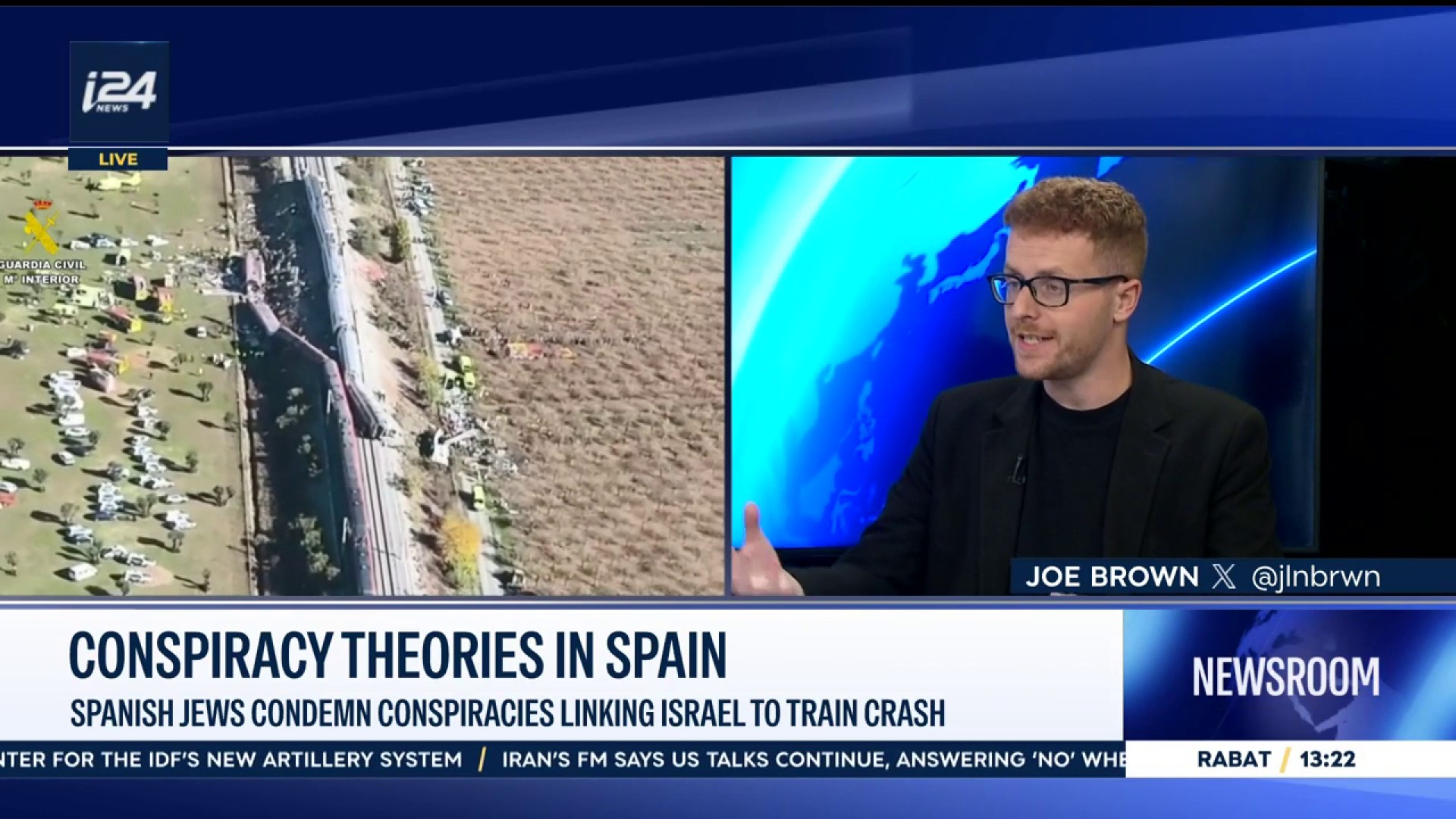
The network receives support from the Guerrilla Foundation, a prominent European philanthropic organization that funds grassroots movements and activist networks. Its backers include Antonis Schwarz, an heir to the Schwarz Pharma fortune. The foundation funds the housing network’s gatherings and travel. Yet the same grant reports also list funding for the Global Energy Embargo for Palestine (GEEP), a coalition campaigning for an energy embargo on Israel, with a particular focus on disrupting maritime supply chains carrying fuel and goods to the country.
The same report also lists funding for European Jews for Palestine, an anti-Zionist network that campaigns for an arms embargo on Israel and opposes classifying boycotts of Israel as antisemitic. This creates a direct and troubling connection: the same funding source that subsidizes housing activists in Spain also finances the ideological campaign underpinning efforts to boycott Israel.
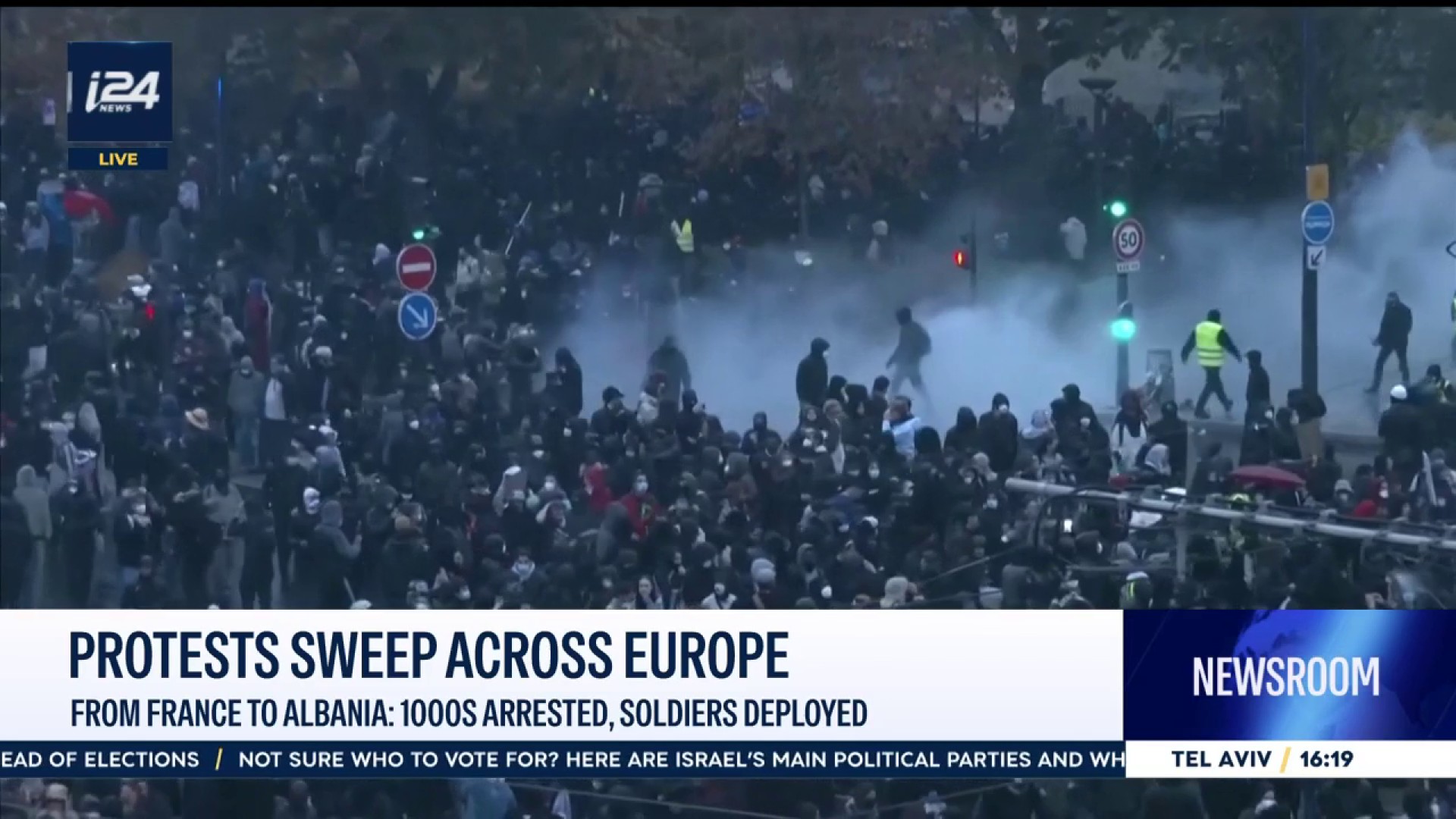
In France, the connection runs through major trade unions. Among those who joined mass demonstrations against the cost of living were public finance and tax administration employees represented by Solidaires Finances Publiques. Its parent federation, Union syndicale Solidaires, goes beyond workers’ rights: BDS France’s official donations page lists Solidaires as one of the organizations to which checks can be made payable to support the boycott campaign directly.
The same union federation that mobilizes workers to protest over pay also serves as a financial and logistical conduit for the campaign against Israel. Meanwhile, the General Confederation of Labor (CGT), a leading force in strikes over wages, issued a formal call for a comprehensive military and technological embargo on Israel.
Across the Channel, Britain’s Public and Commercial Services Union (PCS) demonstrated how union funds are directed into political activity. Ahead of an anti-Israel march in London, its leadership offered to cover travel expenses from union funds for members wishing to attend.
In Portugal, both causes appeared in black and white in the same official resolution. In September, the leadership of the CGTP-IN trade union confederation called on members to mobilize for two successive events: a demonstration in support of Palestine, followed just one week later by a nationwide protest over wages and pensions. The same leadership, the same transport arrangements, the same mobilization machinery.
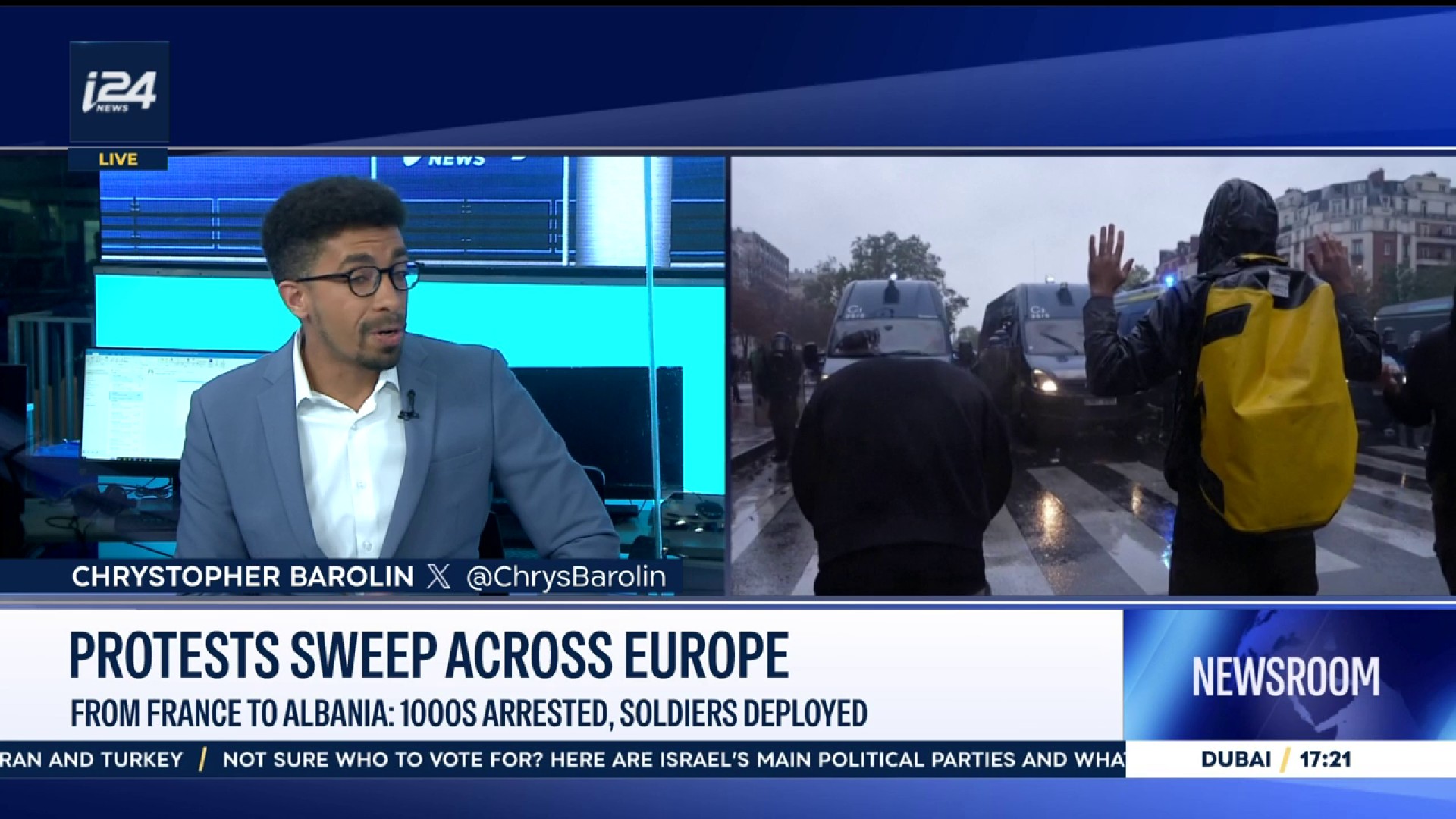
The anger on Europe’s streets over wages and housing is entirely real. But the organizations turning that anger into action are concerned with more than local economic conditions. Some operate donation channels for the boycott campaign; others offer to fund protesters’ travel. Still others receive support from foundations that also finance embargo campaigns, economic pressure on Israel and hatred of the West. These connections do not rest on speculation about individual protesters’ motives. They appear in the names of organizations, the purposes of grants and the documents setting out how donations are collected.
Strip away the noise, and the conclusion is simple: to understand a street protest in Europe, listen to the slogans — and check whose signatures are on the checks funding them.
Source: www.i24news.tv